








































At some point, usually somewhere past fifty, almost everyone runs the same accidental experiment.
You get busy, or tired, or sick, or just curious — and you stop being the one who reaches out. No dramatic exit. You simply put the phone down and wait.
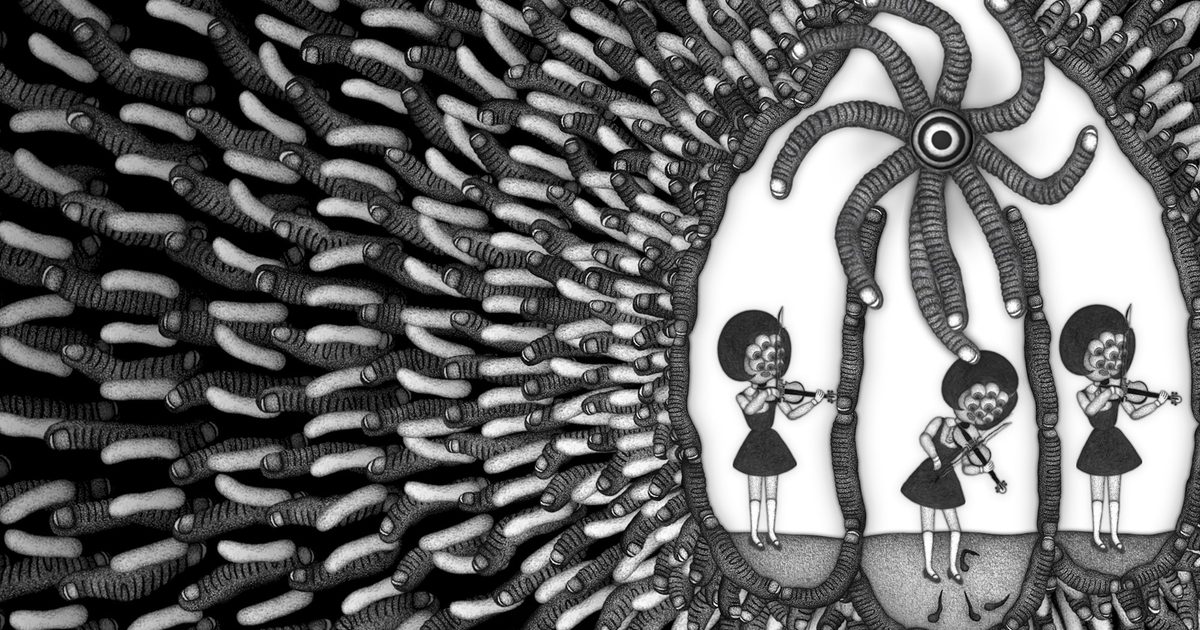
And then you learn something about your friendships that you can’t unlearn: some of them keep coming. And some of them go completely, instantly silent — like a music box that only ever played because you were the one turning the crank.
That silence is the real subject of this article. Not being alone. The discovery.
The friendships that were secretly a one-person job
Here’s the thing nobody tells you about a lot of long-running friendships: they can run for decades on one engine.
You’re the one who texts first. You remember the birthday. You suggest the lunch, book the table, do the “we should really catch up!” follow-through that everyone else lets evaporate. And because the lunches happen and the laughs are real, the friendship looks mutual from every angle — including yours.
But there’s a difference between a friendship that’s mutual and a friendship that’s merely responsive. A responsive friend genuinely enjoys you — when you do all the assembling. Take away your effort and you find out which one you had. The mutual ones wobble for a few weeks and then someone says “hey, you’ve gone quiet, everything okay?” The responsive ones just… end. Not with a fight. With nothing. Nothing is the ending.
And the cruelest part is the math of it: the more reliable you were, the longer it took to find out.
Science has bad news about how common this is
If you suspect this is just you, it isn’t. Researchers at MIT once mapped people’s friendships by asking a simple pair of questions: who do you consider a friend, and who do you think considers you one?
Almost everyone — about 94 percent — assumed their friendships were mutual. The actual number that were? Roughly half. Half of the people we’d name as friends wouldn’t name us back, and we are, as the researchers put it, remarkably bad at guessing which half — probably because finding out threatens something tender in the self-image. We like them; surely they like us.
Other research fills in why the discovery so often lands in later life: friendships, unlike family bonds, decay fast without deliberate effort — they’re the perishable goods of the relationship world. While careers and school runs and shared offices kept handing everyone free contact, the one-sided ones stayed alive on ambient togetherness plus your crank-turning. Retirement, moves, and slowing down strip out the ambient part. Then the only thing left holding certain friendships up is you — and the moment you sit down, so do they.
The grief that doesn’t have a name
Let’s be honest about what this feels like, because it’s a real loss and it gets no casseroles.
It’s a strange, retroactive grief. You’re not just losing the friend going forward — you’re losing your version of the past. Thirty years of lunches suddenly demand re-reading: was any of that what I thought it was? You feel foolish for the effort, then angry, then foolish for the anger. And underneath it all sits the loneliest thought of the whole business: if I hadn’t done the work, would I have had anyone at all?
Here’s where it’s worth slowing down, though, because the bitter reading — it was all fake — is clean, satisfying, and mostly wrong.
The affection was usually real. The laughs were real. What was missing wasn’t feeling; it was initiative — and plenty of warm, genuine people simply never supply any, to anyone, their whole lives. They ride along in every relationship they have. You didn’t imagine the friendship. You subsidized it. Those are different things, and only one of them means the past was a lie.
What the silence actually tells you
So the experiment ran, the crank stopped, and your address book quietly sorted itself into two piles. What now?
First: read the results correctly. The friendships that went silent didn’t fail because you stopped initiating. They were already what they were; you just finally got the data. Ending the subsidy didn’t kill anything — it revealed something. That stings, but it’s the useful kind of sting, like finally checking a bank statement.
Second — and this is the part people skip while nursing the hurt — look hard at the other pile. Somebody did text back. Somebody said “where’d you go?” Maybe it was two people instead of the ten you’d have guessed, and maybe they weren’t the two you expected. Researchers who study aging keep finding the same pattern: what protects people isn’t the size of the circle, it’s the presence of even a few genuinely mutual ties. Two real cranks turning toward you beats ten music boxes any day of the week.
The discovery, in other words, isn’t the loneliest part of getting older because it leaves you with nothing. It’s the loneliest moment — and then it hands you a shorter, truer list.
Spend the crank wisely
Because here’s the plot twist buried in all this: you own something rare. You’re an initiator. You have the exact skill — the reaching out, the remembering, the table-booking — that half the world’s friendships die for lack of.
The lesson of the silent music boxes isn’t to retire that skill. It’s to stop spending it where it only ever purchased an audience, and start spending it where it gets matched. Turn the crank for the two who turned it back. Say yes fast when they reach for you. And every so often, aim it somewhere brand new — the neighbor, the sibling gone quiet, the almost-friend from the walking group — because initiators, of all people, are never actually stuck with the list they have.
Some friendships only existed because you did all the work. Let them rest.
The ones that answered the silence? Those were never work at all.