
























The 1970s certainly didn’t invent the idea of the sitcom catchphrase — but it may have just perfected it. The era was a heyday for great television, and it seemed like around every corner, there was another earworm phrase making its way into the zeitgeist at the time. So, we figured why not highlight a few of the best ones?
Admittedly, there are way more excellent catchphrase picks than we have room for in this list. Sadly, you won’t find classics like “Life, liberty, and the pursuit of happy hour” from “M*A*S*H,” “Marcia, Marcia, Marcia!” from “The Brady Bunch,” “We are two wild and crazy guys!” from “Saturday Night Live,” or “And I would’ve gotten away with it too, if it weren’t for you meddling kids!” from “Scooby-Doo” down below.
That said, the selections we made highlight some of the most unavoidable phrases of the era — and a few of them could maybe even be considered timeless. You’ll know them when you seem them. With that in mind, let’s take a look at some 1970s catchphrases that ruled pop culture during the era.
‘Here’s Johnny!’ from The Tonight Show Starring Johnny Carson
Starting strong, here’s what we meant about timeless. You know this one, you’ve heard it time and time again — and you probably associate it with the brilliant 1980 film “The Shining.” The classic horror film features its incredible star, Jack Nicholson, shoving his terrifying face through an ax-splintered door as he delivers the quote “Here’s Johnny!” with a horrific and menacing glee. But did you know that the phrase actually originated in the mainstream 18 years earlier?
The iconic expression was actually part of the introduction of comedian and host Johnny Carson as he commanded the stage on his legendary talk show “The Tonight Show Starring Johnny Carson.” It was spoken by the show’s announcer, Ed McMahon, and used for the first time during the show’s second airing on October 2, 1962. That said, the intro was used as far back as 1957, when Carson hosted a daily show for the American Broadcasting Company.
“The Tonight Show” ran for 30 years with Carson, who we named the best late-night talk show host of all time. Being such a well-known part of the late-night landscape is the exact thing that gave the catchphrase the kind of longevity needed to be used years later in an enduring hit film, and many other films and television shows (as well as memes) over time.
‘Whatchu talkin’ bout, Willis?’ from Diff’rent Strokes
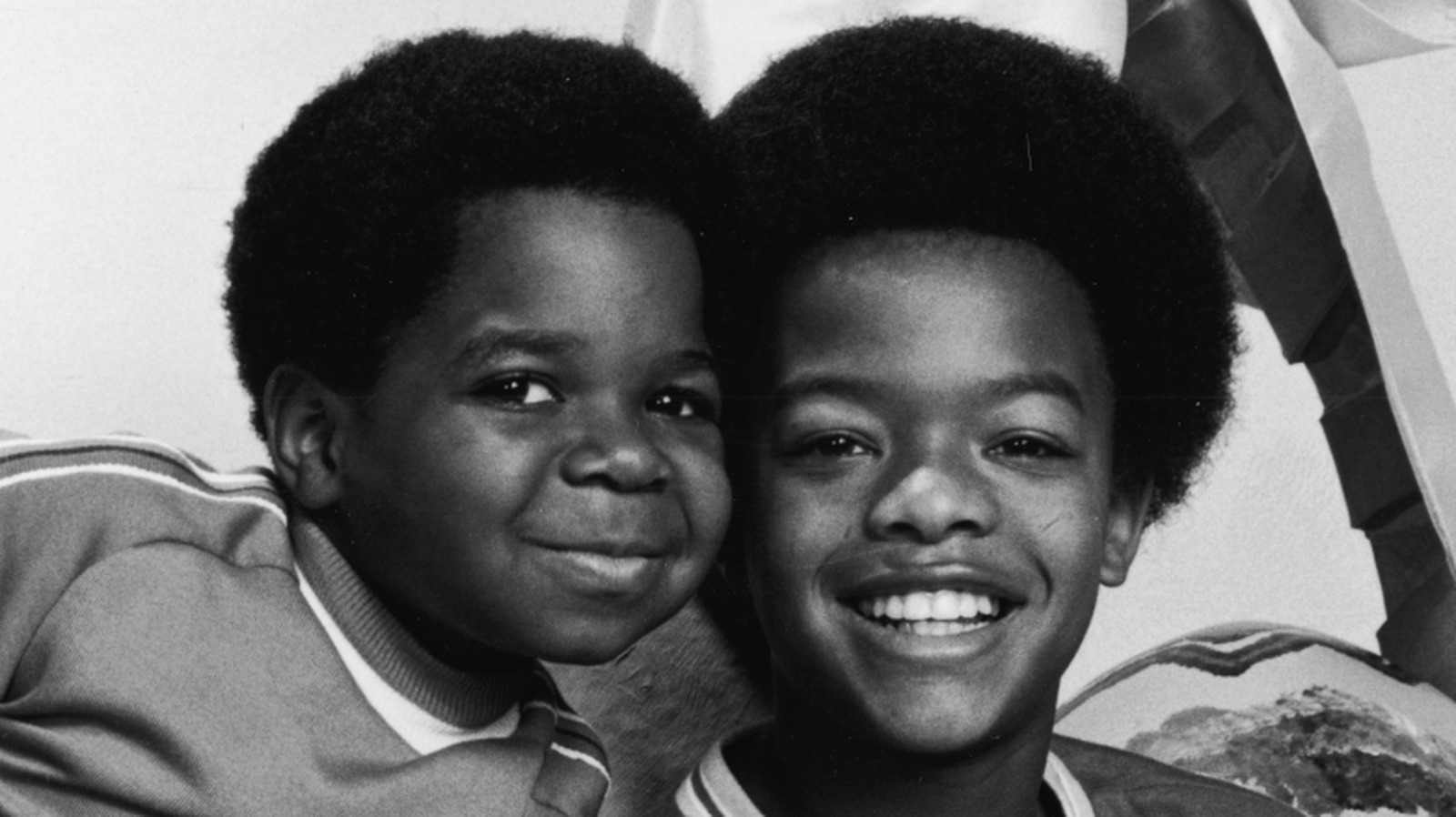
Multiple sitcoms in the 1970s focused on race and class relations in comedic ways. One of them was the classic “Diff’rent Strokes,” which followed two boys from New York City’s Harlem neighborhood who are taken in by a wealthy man and his daughter living on Park Avenue. One of the brothers, Arnold (played by memorable child star Gary Coleman), would hilariously ask, “Whatchu talkin’ bout, Willis?” any time his brother, played by Todd Bridges, said anything nonsensical or silly — and, later, used the expression on different characters in the series, too.
Coleman made the catchphrase — and the show itself — a major cultural touchstone throughout the eight-season run from 1978 to 1986, one that has endured the test of time. That said, the actor reportedly got pretty sick of saying the classic line as the years went on. But despite the repetition, Coleman went on to do guest spots throughout Hollywood that included him uttering the memorable phrase, like his 1994 “Married… with Children” appearance and his 1996 “The Fresh Prince of Bel Air” series finale cameo (where he actually reprised his role as Willis alongside Bridges).
Interestingly enough, Coleman was once put on the spot when it came to his feelings about the catchphrase that arguably made him a star. He appeared on the second season of the early aughts reality series “The Surreal Life,” where he was pressured to say the line by none other than rapper Vanilla Ice.
‘Don’t make me angry, you wouldn’t like me when I’m angry…’ from The Incredible Hulk
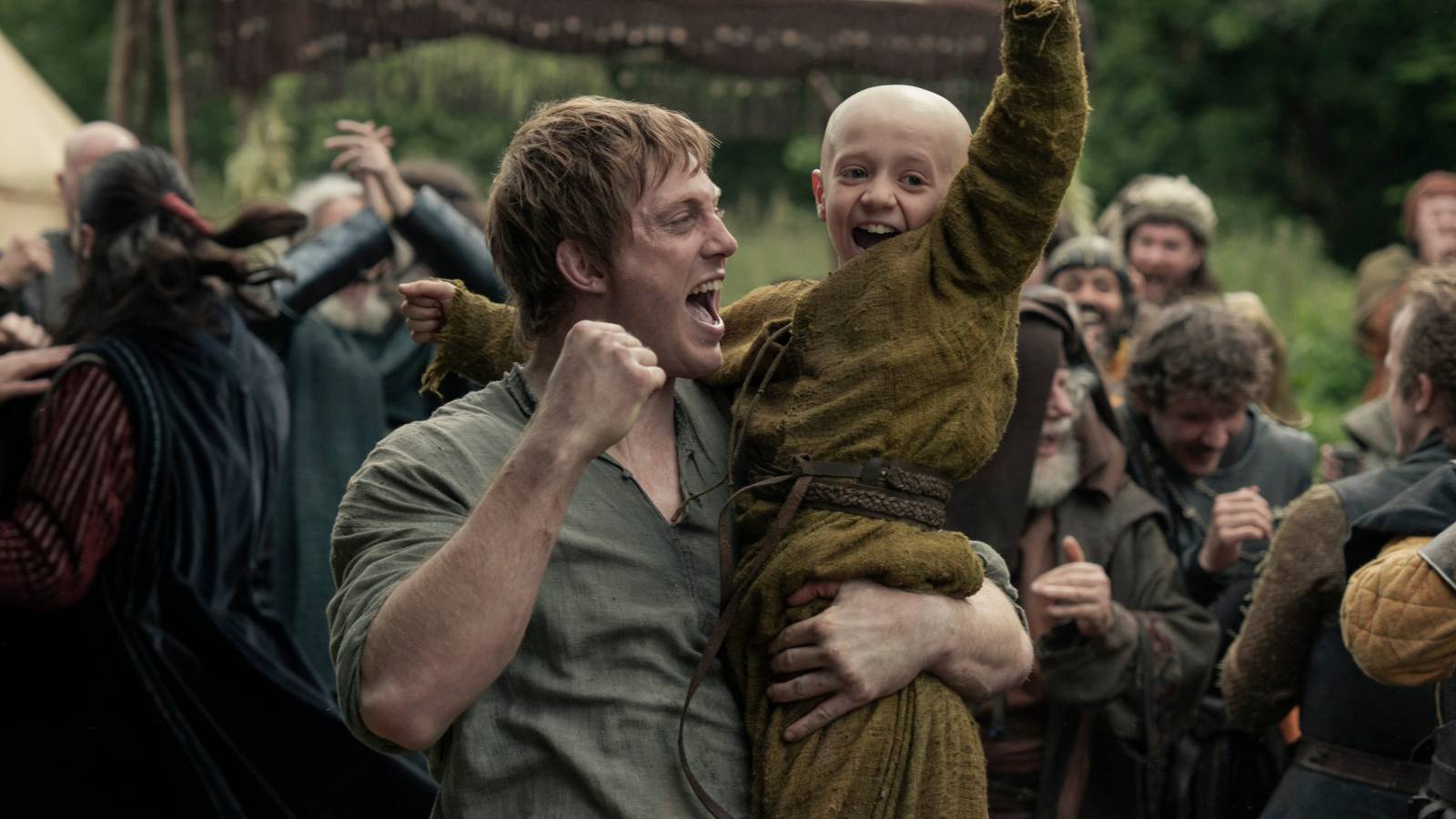
Marvel has been a major part of pop culture for many years, so it should come as no surprise that there were some really exciting superhero shows back in the day. One of them was “The Incredible Hulk,” which centered not on Bruce Banner as we know him today, but Dr. David Banner. Same guy — a kind and gifted scientist who gains the ability to transform into a massive green superhuman with superhuman strength after a failed experiment — different name.
His catchphrase, “Don’t make me angry, you wouldn’t like me when I’m angry,” was featured in the show’s opening sequence, with Banner using the line on a pursuing journalist amid the credit roll. The expression, spoken by Bill Bixby as Banner, was penned by the show’s creator, producer, and writer Kenneth Johnson. It first appeared in the episode “Death in the Family,” the show’s second movie-length pilot that aired just months before the first season premiered.
The adage became well-known during the era, as the series aired across two pilot films and four seasons from 1977 to 1982. However, Mark Ruffalo, the current actor playing Banner aka Hulk, has yet to utter the line in any of the Marvel films he’s been in. That said, the line was referenced in the 2008 film “The Incredible Hulk” starring Edward Norton as Banner and later on in Marvel’s “She-Hulk,” showcasing the quote’s endurance in pop culture.
‘Won’t you be my neighbor?’ from Mister Rogers’ Neighborhood
Neighborly love certainly didn’t begin with Mister Rogers, but he may have made the practice popular with his 1968 show, “Mister Rogers’ Neighborhood.” The children’s program spoke directly to its tiny viewers and introduced major life lessons through puppets and roleplay as star Fred Rogers treated them with the love and respect he would show one of his neighbors. So, of course, the show’s theme music, sung by Rogers, included the iconic line that would go on to be a memorable part of the series, “Won’t you be my neighbor?”, which also served as the song’s title.
The phrase has certainly stood the test of time. After originating in Canada, “Mister Rogers’ Neighborhood” aired for over 30 years on PBS and became a major mainstay in children’s educational programming throughout the 1970s and beyond. The line grew to be one of the main calling cards of the series, one that signified to children that they were welcome in Rogers’ world no matter who they were. The adage became synonymous with Rogers’ impactful work, to the point where a 2018 documentary about the prolific kids show used the lyrical catchphrase as its title.
‘Dyn-o-mite!’ from Good Times
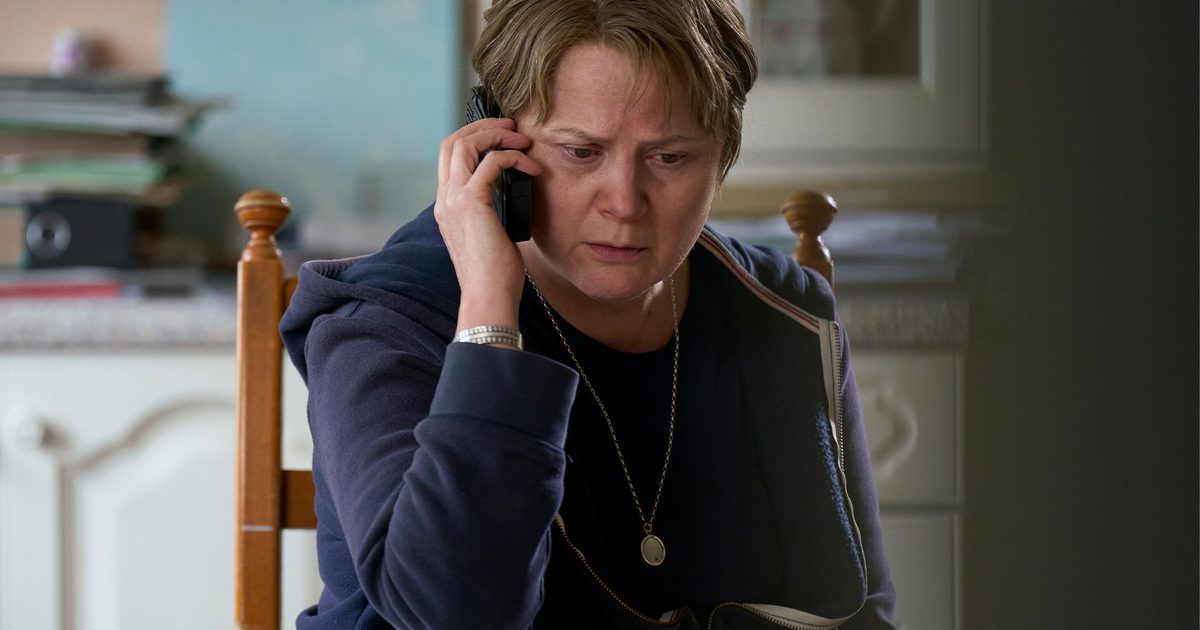
“Diff’rent Strokes” wasn’t the only sitcom of the era to interrogate race and class through a comedic lens. One of our best TV shows of the 1970s, “Good Times” — a spinoff of Norman Lear’s CBS series “Maude,” which was also a spinoff itself, this time of “All in the Family” — explored the same topics for six seasons on CBS, chronicling the daily life of a poor Black family living in the housing projects of Chicago. One of the family’s children, J.J. (portrayed by Jimmie Walker), became a popular character with audiences and ended up being the breakout star of the series.
What made him such a hit? His frequent use of the phrase “Dyn-o-mite!”, of course. J.J. first uttered the line during the second episode of the series titled “Black Jesus,” establishing its regular use to express innocent excitement about something. It turned into a major adage in the zeitgeist, being printed on various pieces of merchandise during the show’s run from 1974 to 1979.
Walker later credited one of the show’s early directors, John Rich, for coming up with the iconic phrase, employing the actor to use it every episode despite skepticism from both Walker and executive producer Lear. Rich turned out to be right on the money, which is pretty dyn-o-mite if you ask us.