







































I’ve always loved what can happen when a conversation takes an unexpected turn. Someone tells a story you’ve never heard, a new friend recommends a book you immediately write down, or your kid answers a dinner-table question with a thought you couldn’t have predicted. It usually begins with someone being curious enough to ask.
Lately, I’ve found myself craving conversations that go beyond surface-level exchanges. I still enjoy the easy talk that gets a gathering started, but I pay closer attention to the moments when we put down our phones and really listen. A good question can help. It doesn’t have to be clever, and it certainly doesn’t have to make anyone bare their soul.
Below are 90 conversation starters for different people and places. Pick one that fits the moment, give your own answer when it feels natural, and see where the conversation goes.
A few questions to start with
Meeting someone new: How do you know the host?
Catching up with a friend: Is there a childhood dream that still shows up in your life?
Talking with your partner: What’s one small thing I do that makes you smile?
At the family table: If we made up a holiday, what would we celebrate?
Hosting a group: If you opened a restaurant, what would it be like?
Getting to know a coworker: Which project are you especially glad you worked on?
Jump to: New people and small talk · Friends · First dates and couples · Kids and family · Dinner parties and groups · Work · Keeping it going · FAQs
What makes a good conversation starter?
A good question fits the moment and gives the other person room to answer in their own way. You might ask something playful at a dinner party and something more personal on a walk with a close friend. What matters most is what you do after you ask.
1. Be present
Put your phone away and listen to the answer instead of planning your next question. If someone mentions a restaurant, ask what they ordered. If they light up talking about a trip, ask where they’d go back. The best follow-up usually comes from a detail they’ve already given you.
2. Read the room
A question that feels natural with a longtime friend may be too personal at a work event. Start light with someone new, and let the conversation deepen if you’re both enjoying it. If they give a short answer, let it be short. Share something of your own or move to another subject.
I also like making a note of details I want to remember—upcoming travel, a creative project, a change at home. Asking how the garden turned out the next time we meet feels more thoughtful than reaching for a clever opener.
3. Know what you’re comfortable sharing
Before a gathering, it can help to think about what you’d enjoy talking about and what you’d rather keep to yourself. Give the other person that freedom, too. No one has to tell a deeply personal story for the conversation to be good.
The best conversation starters are open-ended and suited to the setting. Ask one, listen to the answer, and see where it leads.
Conversation starters for new people and small talk
Meeting someone new is easier when you begin with something you already share: the room you’re in, the host, or a book they mention. Keep the first question easy to answer, and offer a little of yourself in return.
1. How do you know the host?
2. Have you been to one of these gatherings before?
3. Have you found a restaurant around here you’d go back to?
4. What have you read lately that you liked?
5. Have you watched a show you’d recommend?
6. What’s been holding your interest lately?
7. What have you enjoyed most about tonight?
If they mention a place, book, or person, ask what they liked about it. Then tell them your answer. There’s no need to move through the list like an interview.
Questions to ask friends
With an old friend, it’s easy to assume you already know what’s going on. I love a question that makes room for the smaller details that don’t fit into the usual life update. Start wherever the conversation feels comfortable; the more reflective ones can wait.
8. Is there something you’d like to try for the first time this year?
9. What’s the most spontaneous thing you’ve done lately?
10. Has someone given you a compliment you still remember?
11. What’s a gift that felt especially thoughtful?
12. Which movie has stayed with you long after you watched it?
13. When did you last get so absorbed in something that you lost track of time?
14. Is there a dream you had as a kid that still turns up in your life?
15. Who taught you something you still carry with you?
16. What advice have you actually used?
17. What’s something you’d love to do when the timing is right?
18. What’s a part of your life you wish people asked about more often?
19. What memory helped shape the person you are now?
The best follow-up may be something you already know to ask. Remember the trip they were planning or the project that had them up late, and check how it turned out. For more ideas to try with friends, see our icebreaker questions.
Conversation starters for first dates and couples
A first date and a long relationship call for different questions. When you’re getting to know someone, the easy prompts above about books, places, and what’s been interesting lately can open the door. Our first-date questions have more ideas if you want them. Save the questions about “us” for a relationship where there’s already an us.
On a first date
20. What place have you visited that you still think about?
21. What did you try recently that you didn’t expect to love?
22. What was a bright spot in your week?
A good first-date question opens a story, then leaves room for yours.
Questions for your partner
23. What would your ideal date night with me look like right now?
24. Is there a song that always makes you think of us?
25. What do you remember thinking when we first met?
26. Which memory of us would you happily revisit?
27. Is there a small routine we share that you especially love?
28. What’s one little thing I do that makes you smile?
29. Is there something you’ve wanted us to try together?
30. What would you love for us to do this year?
31. What do you hope we’ll remember about this season of our lives?
32. What does feeling at home mean to you?
33. When do you feel especially loved by me?
34. What helps you feel cared for on an ordinary day?
35. When did you begin to feel that we might be falling in love?
36. How can we make room for each other’s individual growth as we grow together?
37. Has your understanding of love changed lately?
38. What helps you feel safe with me?
Some of these are fun to ask on a walk. Others deserve a quieter moment and the freedom to give a short answer. You might hear that your partner loves the way you make coffee or the route you take home, and decide to do a little more of it. For more fun (and flirty!) ideas, try these questions for couples. And for a deeper conversation, see our questions for intimacy.
Questions for kids and family
The oddball questions often get the best answers at our table. Give kids time to think, let them ask one back, and don’t turn a surprising answer into a lesson. Adults can play, too.
39. If we invented a holiday, what would we celebrate?
40. If you could have any animal as a pet, which would you choose?
41. What would you put in a secret hideout of your own?
42. If you could visit another time, where would you go?
43. What would your superpower be?
44. What’s the funniest thing you saw this week?
45. Which smell do you love most?
46. What’s one interesting thing that happened today?
47. How would you spend a weekend that was entirely yours to plan?
48. What do you most like doing together as a family?
49. Which birthday do you remember especially well?
50. What’s a day we’ve spent together that you’d like to repeat?
51. What would you have fun learning to do?
52. What are you curious about right now?
53. What did you do recently that made you feel proud?
54. When have you felt brave?
55. Who do you admire, and what do you like about them?
56. What do you think makes someone a good friend?
57. What’s something you wish adults understood better?
58. What’s something we do together that you really like?
For a question about a secret hideout, I’d answer it myself, too. Once kids realize there’s no “right” response, the conversation tends to take care of itself.
Dinner party questions and group icebreakers
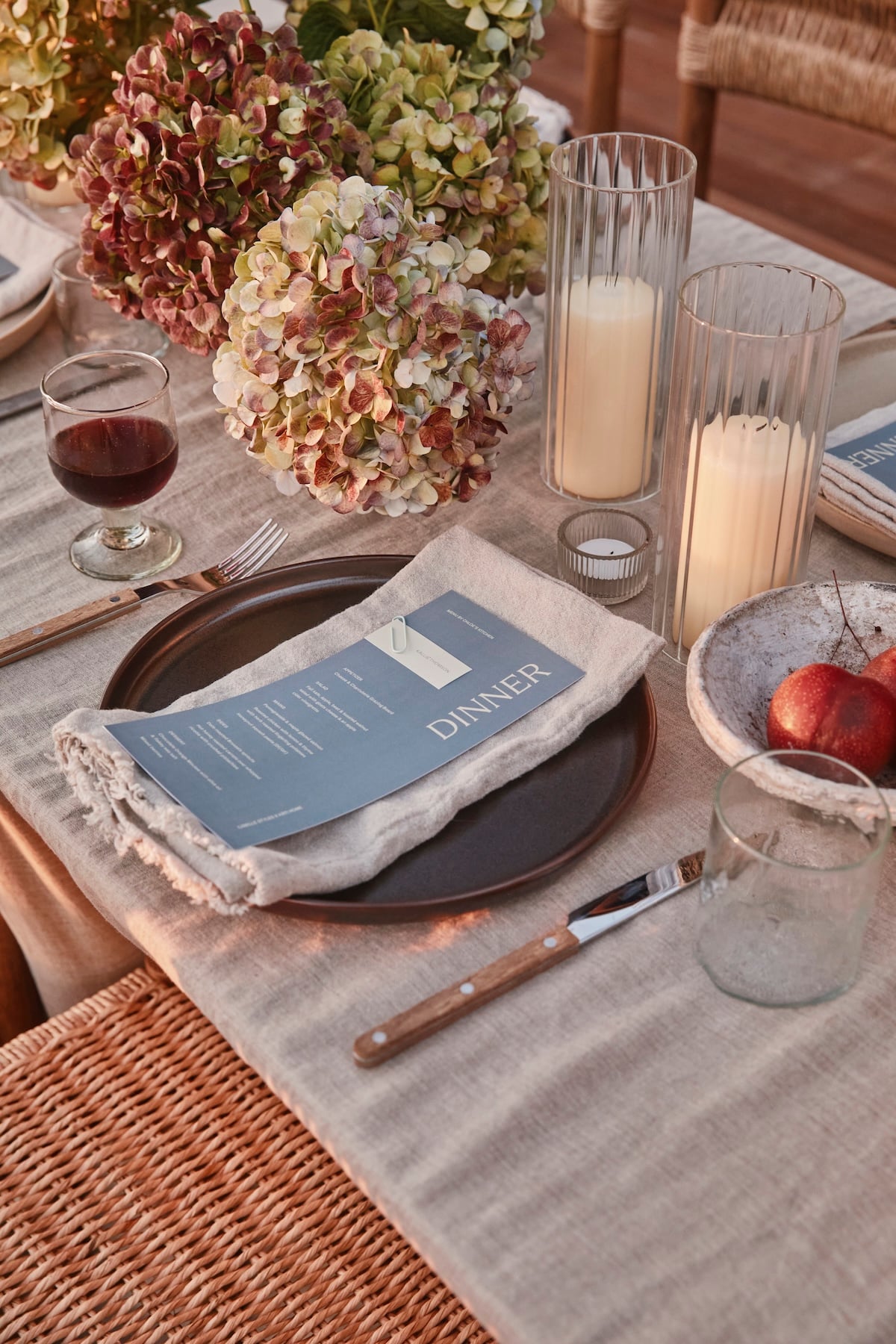
At a dinner party, I start with a question that anyone could answer in one sentence, though a good story is always welcome. Keep the mood playful. Guests can pass, and there’s no reason to make everyone speak in turn.
59. If you opened a restaurant, what kind of place would it be?
60. What song would get you up for karaoke?
61. What completely unnecessary fact do you happen to know?
62. If animals spoke, which one would have the sharpest sense of humor?
63. Which imaginary world would you visit for a week?
64. If your life were a sitcom, what would the title be?
65. Which reality show do you think you’d be surprisingly good at?
66. What did you want to be when you were little?
67. Which household chore would you gladly give away forever?
68. What old fashion trend would you least like to see return?
69. What oddly specific thing are you good at?
70. What did you believe as a child that now makes you laugh?
71. Which haircut were you thrilled with then but laugh about now?
72. What could you eat happily every week?
73. What chance encounter do you still tell people about?
74. What small adventure would you gladly do again?
75. Where would you spend a long weekend if you could leave tomorrow?
76. Which fictional character did you see yourself in as a kid?
If someone invents a restaurant you all want to visit, stay with that story. A question is only the beginning.
For more hosting ideas, see our guide to a first dinner party.
Conversation starters for work
A question at work can help you learn how someone thinks without asking for a personal confession. A lunch with a new coworker will feel different from a team check-in, so choose accordingly.
77. How do you like to begin your workday?
78. Do you get your best ideas alone or by talking them through?
79. Do you prefer a quiet place to work or the energy of other people nearby?
80. Which part of your work has interested you lately?
81. What’s a skill you’re working on?
82. Which project are you especially glad you worked on?
83. What’s the most interesting job you’ve had?
84. What career advice has proved useful to you?
85. Who has shaped the way you work?
86. What helps you keep track of things when the week gets busy?
87. How do you like to unwind after work?
88. What do you wish other teams understood about your role?
89. What kind of project gives you energy?
90. When have you felt especially appreciated by your team?
That last question is best for someone you know well or an intentional team conversation. With a newer colleague, ask about a project and follow whichever detail they’re excited to share.
How to keep the conversation going
The best follow-up usually comes from the answer you just heard. If someone names a restaurant, ask what they ordered. If they light up talking about a trip, ask where they’d return. And if they give a short answer, let it be short. You can share something of your own or move on to a new subject.
Pay attention to the setting, too. A question that feels natural with a close friend may be too personal at a work event. It’s fine to choose what you want to share and give someone else the same freedom. I also like making a note of a detail I want to remember later. Asking how the garden turned out next time we meet says more than reaching for a perfectly clever opener.
What makes a good conversation starter?
The best conversation starters do more than just fill the silence—they invite presence, spark curiosity, and create a safe space for connection. Whether you’re at a dinner party or on a walk with a close friend, the right prompt can be a gateway to something meaningful. But before you ask the question, it’s worth laying the groundwork. Here are a few ways to do just that:
1. Set an intention for presence
There’s a major difference between conversations that nourish you and those that leave you feeling flat. Most often, it comes down to how present you are. Distractions—like checking your phone or rehearsing what you’ll say next—can pull you out of the moment. But when you take a breath, ground yourself, and arrive with genuine curiosity? That’s when connection happens. Before meeting someone, try pausing for a moment to visualize how you want to show up—curious, kind, open. It sets the tone for everything that follows.
2. Consider your context (and theirs)
Great conversation starters are thoughtful and situational. At a work event, something light and inclusive might be best. But with a longtime friend? You can go deeper. One simple but powerful habit: jot down notes after a meaningful conversation. (Think: upcoming travel, creative projects, family updates.) Recalling small details later not only strengthens your connection, it gives you built-in prompts for your next conversation.
3. Reflect on what you’re open to sharing
No one likes a social hangover—that feeling when you’ve overshared or left a conversation wishing you’d said less (or more). Before stepping into a social setting, think about a few things you do want to talk about—and any topics you’d rather avoid. This helps you stay aligned with your own emotional boundaries, and reminds you that vulnerability is earned. You don’t need to bare your soul to create connection, but offering a thoughtful glimpse into your inner world can go a long way.
Ultimately, a good conversation starter is open-ended, tailored to the moment, and free of judgment. It doesn’t try to impress—it invites. When you show up with presence, context, and care, even the simplest question can turn into something extraordinary.
Conversation Starters FAQs
Start with something the other person can answer from the moment you share: how they know the host, what they’ve enjoyed at the event, or what they’ve been reading. Listen before deciding what to ask next.
Try something everyone can answer without sharing anything private. Ask what kind of restaurant they’d open, what they’d sing at karaoke, or what imaginary holiday they’d invent. Let guests pass.
Don’t ask a stranger to reveal a secret, recount an embarrassing experience, or explain a painful memory. If they want to tell you more later, they can choose to.
This post was updated in 2026 with new questions and guidance for choosing one that fits the moment.