














WashingtonWeeklyTimes.com
  • Home
  • US News
    BYU tight end’s ‘DWTS’ girlfriend on hand for game winning catch before hitting Victoria’s Secret red carpet

    BYU tight end’s ‘DWTS’ girlfriend on hand for game winning catch before hitting Victoria’s Secret red carpet

    Florida issues no-bond arrest warrant for Raúl Castro over shootdown

    Florida issues no-bond arrest warrant for Raúl Castro over shootdown

    Former MLB star Jimmy Rollins was not hacked, he is the co-founder of a women’s underwear brand

    Former MLB star Jimmy Rollins was not hacked, he is the co-founder of a women’s underwear brand

    College football faces another clock controversy after BYU upsets Notre Dame

    College football faces another clock controversy after BYU upsets Notre Dame

    Dinner party hosting in America has plummeted since 1995, data shows

    Dinner party hosting in America has plummeted since 1995, data shows

  • Politics
    Republicans Are Crumbling And Pointing Fingers At Trump For Midterm Failure

    Republicans Are Crumbling And Pointing Fingers At Trump For Midterm Failure

    Division 6 and 7 Wisconsin Football Playoff Preview

    Division 6 and 7 Wisconsin Football Playoff Preview

    French Journalist Paul Amar Claims Some Businesses Were Left Alone During Attacks in France For One Specific Reason (Video)

    French Journalist Paul Amar Claims Some Businesses Were Left Alone During Attacks in France For One Specific Reason (Video)

    Trump May Have Come Out Of The Closet At Crazy In Kentucky Rally

    Trump May Have Come Out Of The Closet At Crazy In Kentucky Rally

  • Business
    Elizabeth Holmes doc ‘You Can See Everything’ scores the second-biggest documentary opening ever

    Elizabeth Holmes doc ‘You Can See Everything’ scores the second-biggest documentary opening ever

    The inventor of BRICS has a message for ‘lazy, colonial’ Europe—India and China are still not taken seriously enough on the world stage 

    The inventor of BRICS has a message for ‘lazy, colonial’ Europe—India and China are still not taken seriously enough on the world stage 

    Egypt’s president vows to use ‘any measure’ to defend Saudi Arabia and looks to deploy troops abroad

    Egypt’s president vows to use ‘any measure’ to defend Saudi Arabia and looks to deploy troops abroad

    Mark Carney makes closing argument to Alberta against path to independence from Canada

    Mark Carney makes closing argument to Alberta against path to independence from Canada

  • Science
    How Elizabeth Holmes Tricked WIRED—and Everyone Else

    How Elizabeth Holmes Tricked WIRED—and Everyone Else

    Everything you need to know about flu season 2026

    Everything you need to know about flu season 2026

    Data Centers Have a New PR Plan: Your Kid’s Field Trip

    Data Centers Have a New PR Plan: Your Kid’s Field Trip

    Plants move to get away from their decaying brethren

    Plants move to get away from their decaying brethren

  • Technology
    Amazon to fund 12 small nuclear reactors at former Indiana coal plant

    Amazon to fund 12 small nuclear reactors at former Indiana coal plant

    20 Best Gifts for Men, Manly Men, and Manly Man Men (2026)

    20 Best Gifts for Men, Manly Men, and Manly Man Men (2026)

    Disney agrees to hire the majority of Character.AI’s workforce

    Disney agrees to hire the majority of Character.AI’s workforce

    Encryption Is Getting Squeezed From All Sides

    Encryption Is Getting Squeezed From All Sides

  • Lifestyle
    8 Best Gucci Colognes For Men – Head-Turning Scents for 2026

    8 Best Gucci Colognes For Men – Head-Turning Scents for 2026

    Why the Metal on Older New York Buildings Dulls, and How It Is Cleaned

    Why the Metal on Older New York Buildings Dulls, and How It Is Cleaned

    Healthy Dinner Recipes for Two—Easy, Practical Meals

    Healthy Dinner Recipes for Two—Easy, Practical Meals

    15 Lunchbox Ideas That Aren’t Sandwiches

    15 Lunchbox Ideas That Aren’t Sandwiches

  • Music
    The 11 Scariest Concept Albums in metal.

    The 11 Scariest Concept Albums in metal.

    Harry Styles Tour Documentary in the Works with John Wilson

    Harry Styles Tour Documentary in the Works with John Wilson

    Taylor Swift Stuns on Red Carpet at 2026 Academy Museum Gala

    Taylor Swift Stuns on Red Carpet at 2026 Academy Museum Gala

    Rockers We’ve Lost in 2026

    Rockers We’ve Lost in 2026

  • Television
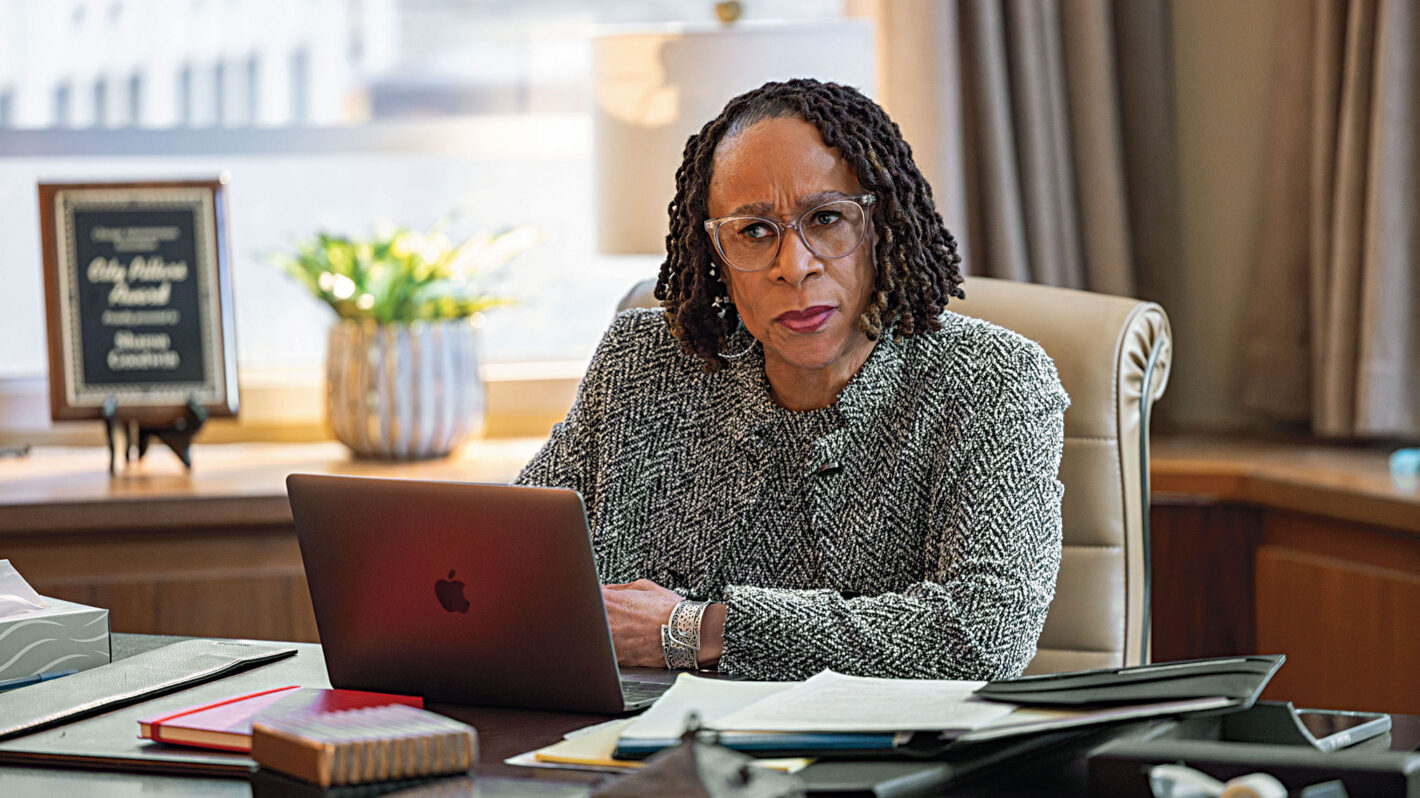
    ‘Chicago Med’ Boss Previews Episode Showcasing New Lays to Goodwin

    ‘Chicago Med’ Boss Previews Episode Showcasing New Lays to Goodwin

    The Simpsons Reveals Apu’s New Voice — See Who’s Replacing Hank Azaria

    The Simpsons Reveals Apu’s New Voice — See Who’s Replacing Hank Azaria

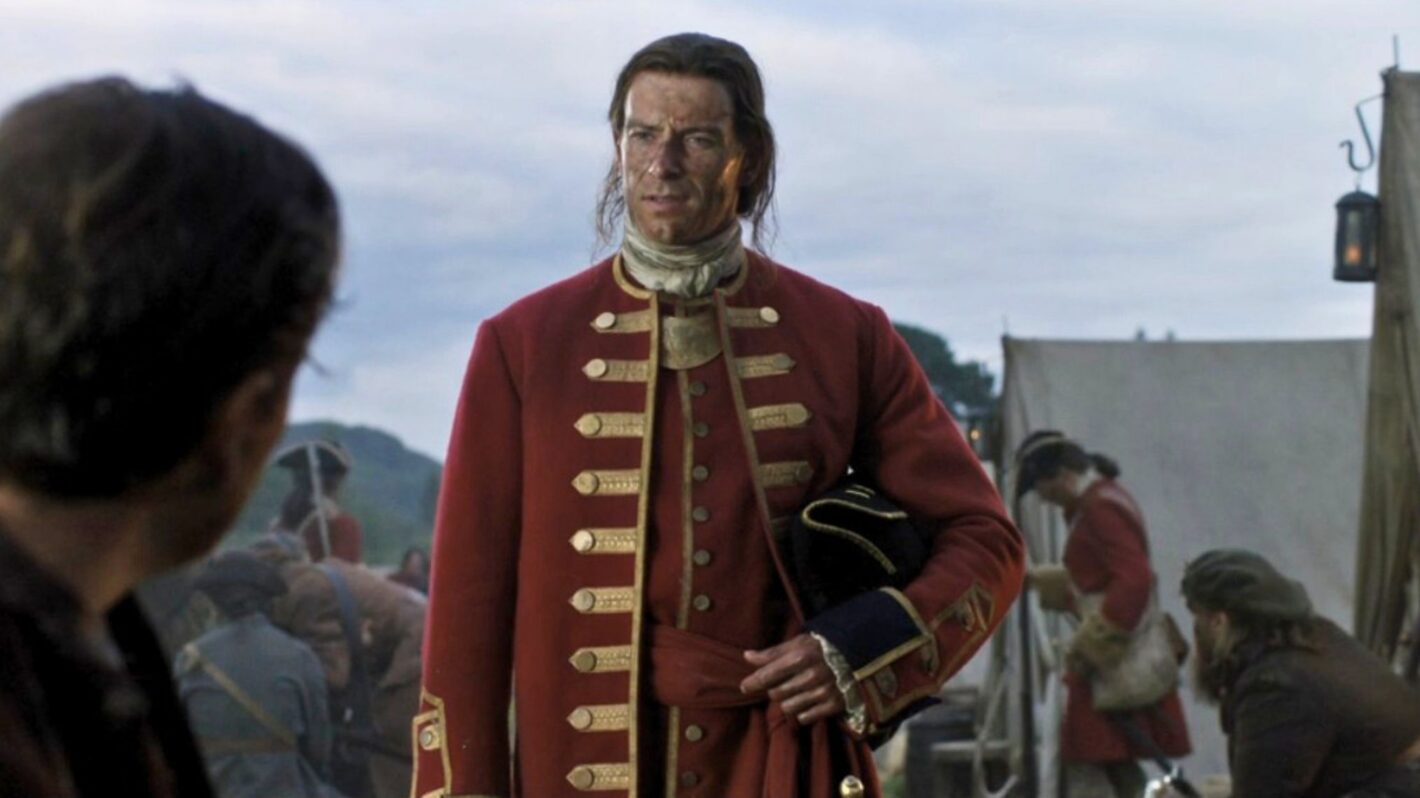
    Who Is Lord Gerard Grey?

    Who Is Lord Gerard Grey?

    5 TV Shows To Watch If You Like Interview With The Vampire

    5 TV Shows To Watch If You Like Interview With The Vampire

  • Film
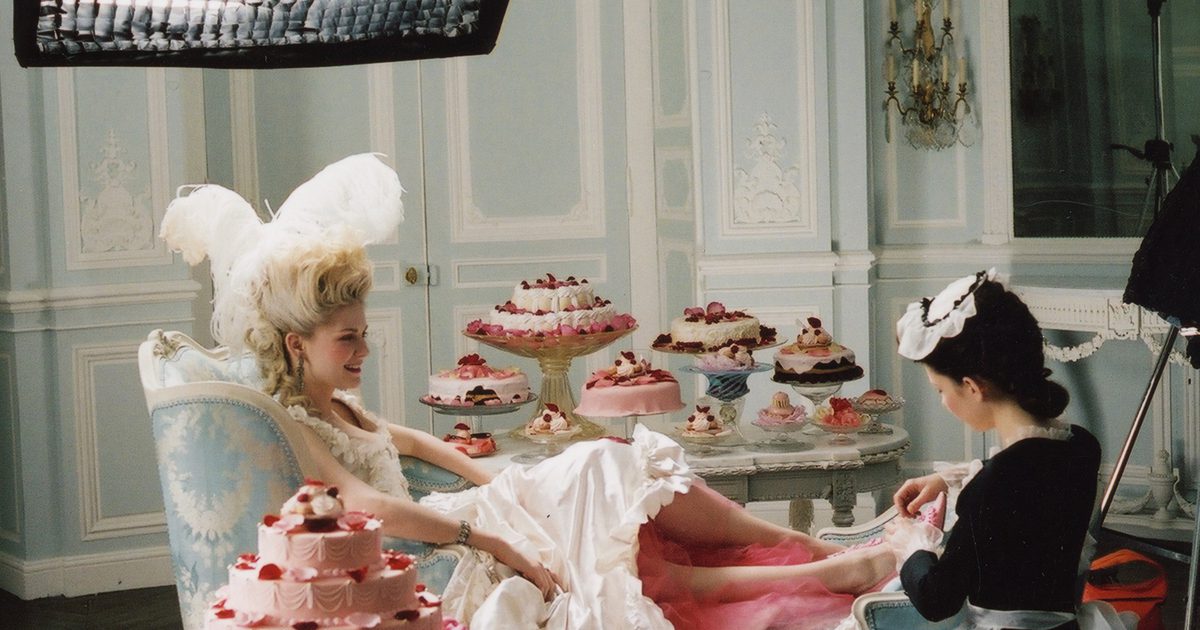
    Making Marie Antoinette review – passing the baton

    Making Marie Antoinette review – passing the baton

    10 Non-Marvel Superheroes With Iconic Tech-Powered Suits

    10 Non-Marvel Superheroes With Iconic Tech-Powered Suits

    7 Miles Out – first-look review

    7 Miles Out – first-look review

    Star Wars Jedi 3 Perfect Title Unites Gamers

    Star Wars Jedi 3 Perfect Title Unites Gamers

  • Literature
    I Cannot Make My Son Purer Than This Sickening World

    I Cannot Make My Son Purer Than This Sickening World

    Book Riot’s Deals of the Day for October 17, 2026

    Book Riot’s Deals of the Day for October 17, 2026

    Book Riot’s Deals of the Day for October 18, 2026

    Book Riot’s Deals of the Day for October 18, 2026

    Lydia Millet’s Writerly Evolution Is All About Being More Shameless

    Lydia Millet’s Writerly Evolution Is All About Being More Shameless

    10 Books Exploring Estrangement as the Only Route for Survival

    10 Books Exploring Estrangement as the Only Route for Survival

    Barnes & Noble’s Picks for the Best Books of 2026

    Barnes & Noble’s Picks for the Best Books of 2026

    15 Small Press Titles You Should Be Reading This Fall

    15 Small Press Titles You Should Be Reading This Fall

    Book Riot’s Deals of the Day for October 15, 2026

    Book Riot’s Deals of the Day for October 15, 2026

    What If Breaking Students to Build Them Back Up Only Breaks Them Down?

    What If Breaking Students to Build Them Back Up Only Breaks Them Down?

  • Contact
    • About
No Result
View All Result
WashingtonWeeklyTimes.com
No Result
View All Result
Home Literature

Patrick Radden Keefe on the Opioid Crisis, the Sacklers, and the Unsavory Game of Philanthropic Reputation Laundering ‹ Literary Hub

by Admin
November 14, 2022
in Literature
Patrick Radden Keefe on the Opioid Crisis, the Sacklers, and the Unsavory Game of Philanthropic Reputation Laundering ‹ Literary Hub


One evening last December I made a visit to London for a gala dinner at the National Gallery on Trafalgar Square. I had recently published a book, Empire of Pain, which was an investigative chronicle of three generations of the wealthy Sackler family. Known for their philanthropy, the Sacklers had become famous for making lavish gifts in the arts and the sciences, always with the stipulation that their family name be recognized in relation to this generosity; there were Sackler galleries and wings and lecture halls and libraries at countless prestigious institutions on both sides of the Atlantic, from Oxford University and the British Museum to the Smithsonian in Washington and the Metropolitan Museum of Art in New York.

Less well known, until quite recently, was the source of the Sacklers’ wealth, the great bulk of which derived from a family-owned pharmaceutical company, Purdue Pharma, which sold the wildly successful (but also dangerously addictive) painkiller OxyContin, and had helped to precipitate the opioid epidemic, a public health crisis in the United States in which more than half a million people had died. My aim in the book had been to connect these two stories: the history of elite philanthropy and the sordid business empire that underwrote it. To say that the Sacklers had not cooperated with my efforts would be an understatement. From the moment I started work, the family inundated me with legal threats. But I managed to complete the manuscript, and upon publication it was met with a warm reception.

The occasion for which I had come to the National Gallery was an awards ceremony: Empire of Pain had been shortlisted for the Financial Times Business Book of the Year. This was deeply gratifying. No author should put too much stock in prizes, but after the struggle of producing the book in the face of such staunch and well-resourced opposition, I did feel vindicated by the positive critical reception.

Even so, I experienced some dissonant trepidation as I climbed the marble staircase of the gallery, which was festooned with flickering candles that threw beautiful shadows across the artworks on the walls. You see, the prize for which I had been nominated was, technically, the FT-McKinsey Business Book of the Year. The multinational consulting giant was a sponsor of the award, and this caused me some anxiety because, as it happens, McKinsey also plays a small but crucial role in my book.

One major theme of Empire of Pain is the vast and often subtle power of private money to influence public institutions, and as I researched the book, I found the tendrils of corporate influence everywhere.

For years, consultants from McKinsey had advised the Sacklers and their company on how to “turbo-charge” sales of their opioids—even after it had become abundantly clear that such aggressive marketing techniques had helped create a deadly crisis that was still taking lives. In Empire of Pain, I quote one McKinsey partner suggesting to another, in an email, that it might be prudent to start destroying company documents related to their engagement with Purdue. (The other partner concurs.) In fact, just a few weeks prior to the National Gallery dinner, in early November 2021, McKinsey had agreed to pay $600 million to settle a multitude of lawsuits over its role advising Purdue and other opioid companies.

So there was irony, to put it mildly, in the book being recognized in this fashion. But it was one of those ironies that also feels oddly inevitable. One major theme of Empire of Pain is the vast and often subtle power of private money to influence public institutions, and as I researched the book, I found the tendrils of corporate influence everywhere. It struck me that there was something inescapable about the whole culture of philanthropy and naming in which the Sacklers had managed, over decades, to consolidate their power. The family started giving money away, and demanding “naming rights” in exchange, as far back as the 1950s.

During the Great Depression, the original patriarch, Isaac Sackler, told his sons that the most important thing a parent can give a child is “a good name.” If you lose a fortune, he told them, then you can always go out and earn another fortune. But if you lose your good name, you can never get it back. Though their interests in the pharmaceutical business go back seven decades, the real prowess of the Sacklers was always in marketing. They made their first great fortune marketing an earlier blockbuster drug, with its own addictive properties: Valium. If you look closely at their use of philanthropy, all of that lavish generosity to premium-tier museums and august institutions of higher learning can itself come to resemble a multidecade marketing campaign in which the brand being buffed and promoted was their own family name.

But if the Sacklers managed to perfect this family branding project, they were very much in step with the times. We live in an era of transactional naming, in which no public-facing event or bit of architecture is too small to boast a corporate sponsor. For some untold sum of money, the Sacklers named an escalator at the Tate Modern after their family. Businesses large and small give generously with the understanding that doing so will enhance their reputation for giving generously—while keeping their name in circulation in the right sort of milieu.

I was deeply honored when my book received the Baillie Gifford Prize. This award had previously been known as the Samuel Johnson Prize, but is currently sponsored by Baillie Gifford, the investment management firm. I do not raise the point in this context to look a gift horse in the mouth, or to suggest that there is anything untoward in Baillie Gifford’s generous sponsorship of the prize, but simply to acknowledge that this is the way of the world. At the National Gallery, as the crowd sipped champagne prior to dinner, assembled in their finery among the Caravaggios, my editor from Picador, Ravi Mirchandani, let out a sudden chuckle and directed my gaze to an adjacent hall full of 17th and 18th century British paintings. “The Sackler Room” was spelled out in resplendent gold lettering on the wall.

My book did not win the prize, which went, very deservedly, to Nicole Perlroth’s terrific This Is How They Tell Me The World Ends. The loss came as a great relief, because I was spared the immense awkwardness of having to regale a room full of festive McKinsey executives with a withering speech. This left the dilemma of how to handle the £10,000 I was to be awarded as a finalist. I donated the money to an addiction treatment center in New York City, not far from where I live. Having written a book about the ways in which benefactions can be used to launder reputations—and well-meaning but cash-strapped parties who take the money can be enlisted in this process—I could hardly have accepted funds from McKinsey without becoming implicated in that same unsavory game myself.

*

I first came to the Sacklers via a circuitous route. I had long been interested in drugs as a subject, but primarily illegal drugs. I was particularly fascinated by the business of the Mexican drug cartels. We tend to conceive of these groups as murderous criminal gangs—which they are—but in doing so it is possible to lose sight of their role as phenomenally successful cross-border commodities enterprises. In 2012 I published a cover story in The New York Times Magazine that in my slightly glib pitch I had proposed as a sort of Harvard Business School case study of a Mexican drug trafficking organization. I have always been intrigued by the permeable boundary separating the licit and illicit worlds and the comforting lies that we in polite society tend to tell ourselves about our disconnection from such murderous enterprises.

After all, it is American drug prohibition, along with continued robust consumer demand, that makes being a Narco so profitable. The story of the drug trade is too often told purely from the supply side, when the truth is that American demand is the engine, American dollars purchase the drugs and are then laundered using American banks and sent back to Mexico to bribe officials and undermine public trust. Most of the killing associated with the drug war—which has claimed well over 100,000 lives in recent decades—is done with firearms that are illegal in Mexico, but purchased in the United States, then smuggled south across the border. Like any licit pharmaceutical business, the cartels grapple with questions about product diversification and vertical integration. One reason that they employ so much violence is that when contract disputes arise, they cannot turn to the courts.

In around 2010, authorities in the United States noticed a sudden surge in Mexican heroin. Rural communities in Mexico had cultivated poppies in the mountains for over a century and heroin was a standard cartel product line. But never like this. Nobody could explain this sudden influx and, in the classically myopic fashion in which those of us north of the border tend to conceive of the drug trade, the default assumption was that those capricious drug barons must have just suddenly elected to flood our streets with this particularly addictive drug.

It soon emerged, however, that the surge was prompted by demand, and more specifically, by the opioid crisis: a generation of Americans had been introduced to the power of the opium poppy in the form of pharmaceutical pills, legal products that were approved by the Food and Drug Administration and prescribed by doctors. Many of these new users would have been too inhibited to buy heroin on the street and inject it into their arm, but they would try the contents of a pill bottle. As they became addicted, their tolerance increased and their inhibitions diminished, and many migrated from pain pills to a chemical cousin: Mexican heroin.

As I delved into the causes of the opioid crisis, I learned that it was an immensely complex issue, but that its origins were explicable, and that while there was plenty of blame to go round, one particular malefactor had played a special role: Purdue Pharma, which introduced the powerful opioid painkiller OxyContin in 1996, with a blitzkrieg marketing campaign to get doctors to prescribe such drugs more widely. OxyContin had since generated some $35 billion in revenue, and Purdue had pleaded guilty to federal criminal charges, in 2007, that it had downplayed the risks of the drug and marketed it deceptively. (The company has since pleaded guilty to a set of new criminal charges, in 2020.) But what really struck me was that Purdue was a privately held company owned by the Sackler family.

I had known nothing of Purdue prior to starting my research in 2016. But I did know the name Sackler. I grew up in Massachusetts, and after high school, I worked for a year in Harvard Square, not far from the Sackler Museum in Cambridge. I moved to New York City for college and would spend weekend afternoons in the Sackler Wing at the Met. After college, I lived in England for a couple of years, where the Sackler name featured prominently at numerous institutions, from the British Museum to the Serpentine.

I moved back to the States for law school at Yale (where there were Sackler professorships) and later lived in Washington, where there is a Sackler gallery on the Mall. So I was very aware of the Sackler name, in an ambient sort of way, even if I didn’t know much about them. Having visited so many beautiful spaces named after the family over the years, I decided to visit the website of their company. I had heard that they not only owned Purdue Pharma, but continued to dominate its board of directors. Yet when I scoured the company’s site, I could not find a trace of the Sackler name. How could the name be so ubiquitous in one realm and entirely absent in the other? This was the paradox that set me on the path to writing Empire of Pain.

*

One challenge of producing any work of contemporary history is that occasionally the events you are covering continue to unfold in real time. At the point when my book was published, in 2021, the story was not yet over. Yet the endgame for the Sacklers was already clear: Purdue Pharma would be unwound in bankruptcy court and the family would commit to paying a sum of money ($6 billion, in the final analysis) and in exchange receive a sweeping grant of immunity from any future civil litigation related to the opioid crisis. The family would admit no wrongdoing and make no apologies.

To most observers, this did not feel like justice. The $6 billion would be paid out over nearly two decades, and the family would retain the bulk of its fortune. Many people who had lost loved ones to OxyContin felt raw and dissatisfied with the outcome. My own objectives in publishing the book were relatively modest. I’m a journalist, not a prosecutor or an activist. What I wanted to do was present a comprehensive and well-documented story of the conduct of one family and the impact it had on the world.

The disconnect that had troubled me in the early days of my research in 2016 was that the family’s reputation for generosity and goodness seemed entirely uncontaminated by the horrendous human toll of their own reckless avarice. It hadn’t caught up with them. As a journalist, I wanted to uncover the actual facts of the family’s complicity and organize them into a compelling narrative, in part because I had the expectation that if more people knew the sorts of things I had discovered, they would be as shocked and indignant as I was.

They were. Well before the book was published, the Sacklers’ circumstances had started to change. An initial story that I wrote in The New Yorker in 2017 helped to precipitate a reconsideration of the family’s role in the opioid crisis, along with a similar article in the magazine Esquire. By 2019, virtually every state in the United States was suing Purdue over its role in sparking the crisis, and Maura Healey, the attorney general of Massachusetts, became the first state prosecutor to pierce the corporate veil and name individual Sackler board members in her suit. She produced an extensive trove of internal company emails that showed the degree to which various Sacklers were intimately involved in steering the company during some periods of its gravest misdeeds. Others followed: eventually 25 states initiated civil proceedings against members of the family. The great American photographer Nan Goldin, who was herself recovering from an OxyContin addiction, launched a campaign to pressure prominent art museums to cut ties with the Sacklers and take down the family name from the walls of their galleries.

Tufts University was the first institution to chip the name from its walls. After a visit from Goldin and a band of protesters, the Louvre did so as well. Following Purdue’s second guilty plea to criminal charges in 2020, New York University followed suit. In September 2021, the CEO of the Metropolitan Museum of Art, Daniel Weiss, gave an interview to TIME magazine in which he acknowledged that the continued presence of the Sackler name at the museum was “under review.” He emphasized that the board would not make any hasty decisions and had created a deliberative process for determining the most appropriate course of action.

But he also mentioned that they had been reading Empire of Pain, and added that the book is, “filled with objective information that we can use to make our own judgment.” Three months later the Met removed the name. A series of institutions in the U.S. and in the U.K. followed. In May 2022, five months after the book was recognized at the McKinsey awards, the National Gallery announced that it would rechristen the Sackler Room.

This sudden about-face by cultural and educational institutions helped to accelerate a broader conversation about tainted money in the arts and the ways in which public facing institutions can be compromised ethically by an association with dodgy donors. Some worried that it might go too far, and suggested, for instance, that it was unnecessary—and worse, an erasure of history—to take down the names of long-dead figures who were esteemed in their day but are now judged to be morally wanting.

This is, at its essence, a story in which the bad guys get away with it in the end. But we take our minor comforts where we can find them, I suppose, and there is at least some poetry in the erasure of the name.

Others, particularly in the museum world, fretted that at a moment of diminished public funding for the arts, the introduction of an ethical litmus test for donations could be catastrophic. The Sacklers were hardly the only unseemly figures who had cultivated a better reputation through the calculated disbursement of charitable gifts. If the mob is demanding that you cut ties with pharma barons today, who might they come for next? The oil companies? The oligarchs? How was a gallery to get by?

There were also some who stubbornly stood by the Sacklers. Oxford University never had an unkind word to say about the family, and made it clear that no plans were afoot to re-name the Sackler Library. The Victoria and Albert Museum was particularly staunch in its defense of the family, though this occasionally necessitated a comical degree of willful blindness; in explaining his continued gratitude to the Sacklers in February 2022, the V&A’s chairman, Nicolas Coleridge, told the Times that no visitors to the museum had written “any letters” indicating dissatisfaction with the Sacklers, so “we don’t think, at the moment, there’s much pressure” to make a change. (In fact, Nan Goldin and dozens of protesters had staged a dramatic “die-in” in the museum’s Sackler Courtyard in 2019, an event you might assume Coleridge would be aware of, as it was widely covered in the British press.)

As the saying goes, you’re entitled to your own opinion, but not to your own facts. I can think of a number of arguments that might be made in favor of keeping the Sackler name intact at 19 institutions which have received their generosity in the past, but it does seem like a prerequisite that these institutions should at least acknowledge the conduct of the family and their company and the fact that such an association will be discomfiting for many who pass through their galleries or study in their lecture halls.

This season of un-naming was satisfying to me, as a journalist, even if the unnaming itself had never been my precise objective. I had wanted to bring certain facts into a public conversation, and to complicate the legacy of the family. You write in solitude, and never know what impact your work may or may not have. The truth is, most work, even good work, leaves barely a trace. Nonfiction describes the world, but rarely changes it. It has been very gratifying to think that in this case the work might have made some small difference.

Even so, it is important not to overstate that difference. Virtually every time I do a reading anywhere in the United States, somebody comes up to me afterwards and tells me that they have lost a loved one to the opioid crisis: a child or a sibling, a partner or a parent. The crisis continues to rage, having morphed from an epidemic of pharmaceutical painkiller addiction to heroin addiction and now to fentanyl addiction. More than 100,000 Americans lost their lives to overdoses last year. Taking the Sackler name off of a few lecture halls is no victory, and it is certainly not accountability, either. This is, at its essence, a story in which the bad guys get away with it in the end.

But we take our minor comforts where we can find them, I suppose, and there is at least some poetry in the erasure of the name, because the Sacklers are a family that spent seven decades emblazoning that name anywhere they could. Even more than greed, the thread that runs through the family history, across generations, is arrogance, and a tendency to venerate the family name. Being shunned in high society and re-cast as pariahs must impart a particular sting. The lingering irony of this whole dynastic saga is that in the final analysis, the family ignored its own patriarch’s advice. If you lose a fortune, you can always earn another, Isaac warned his sons. But if you lose your good name, you can never get it back.

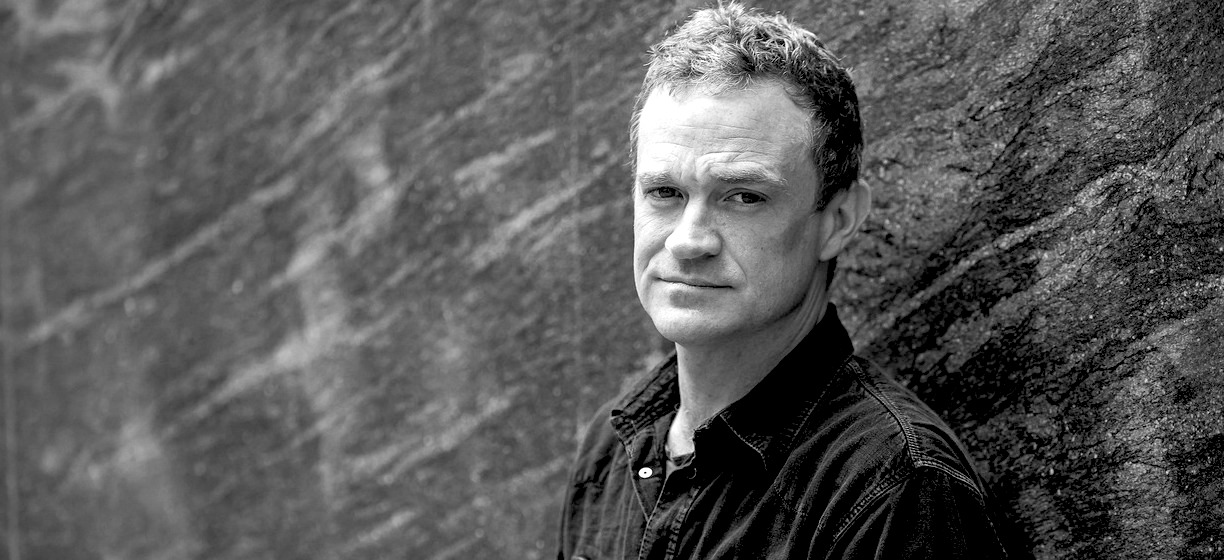
Patrick Radden Keefe


Original Source Link

Previous Post

Iggy Pop never “really understood” Foo Fighters until he saw them live

Next Post

Dress Code: Chivalrous

Admin

Admin

Next Post
Dress Code: Chivalrous

Dress Code: Chivalrous

Blue Bloods Season 13 Episode 6 Spoilers: Danny and Jamie Butt Heads!

Blue Bloods Season 13 Episode 6 Spoilers: Danny and Jamie Butt Heads!

Every Main Character Who Knew Kara Danvers Was Supergirl (& What Episode They Found Out)

Every Main Character Who Knew Kara Danvers Was Supergirl (& What Episode They Found Out)

PopularPosts

Wild bison released in UK for first time as part of rewilding efforts

Wild bison released in UK for first time as part of rewilding efforts

July 18, 2022
Children Died In Uvalde Because Police Didn’t Try To Open An Unlocked Classroom Door

Children Died In Uvalde Because Police Didn’t Try To Open An Unlocked Classroom Door

July 18, 2022
The Federal Reserve Can’t Fix Supply Problems, But It Can Make People Poorer

The Federal Reserve Can’t Fix Supply Problems, But It Can Make People Poorer

July 8, 2022
BFI London Film Festival 2024 Award Winners Unveiled

BFI London Film Festival 2024 Award Winners Unveiled

October 20, 2024
Maren Morris’ ‘Beat The Devil’ Debuts in ‘Sheriff Country’ Trailer

Maren Morris’ ‘Beat The Devil’ Debuts in ‘Sheriff Country’ Trailer

September 23, 2025
Bill Gates-backed Arnergy to expand solar access in Nigeria with M as demand surges

Bill Gates-backed Arnergy to expand solar access in Nigeria with $18M as demand surges

April 14, 2025

Categories

  • Business (7,903)
  • Events (14)
  • Film (7,817)
  • Lifestyle (5,558)
  • Literature (5,930)
  • Music (7,854)
  • Politics (7,605)
  • Science (7,235)
  • Technology (7,830)
  • Television (7,898)
  • Uncategorized (6)
  • US News (7,939)

RecentPosts

Making Marie Antoinette review – passing the baton

Making Marie Antoinette review – passing the baton

by Admin
October 19, 2026

Making-of documentaries tend to be a mixed-bag proposition. They can risk...

The 11 Scariest Concept Albums in metal.

The 11 Scariest Concept Albums in metal.

by Admin
October 19, 2026

Here are metal’s 11 scariest concept albums (unranked)!Some people think...

8 Best Gucci Colognes For Men – Head-Turning Scents for 2026

8 Best Gucci Colognes For Men – Head-Turning Scents for 2026

by Admin
October 19, 2026

We independently evaluate all recommended products and services. Any products...

I Cannot Make My Son Purer Than This Sickening World

I Cannot Make My Son Purer Than This Sickening World

by Admin
October 19, 2026

I Cannot Make My Son Purer Than This Sickening World...

Elizabeth Holmes doc ‘You Can See Everything’ scores the second-biggest documentary opening ever

Elizabeth Holmes doc ‘You Can See Everything’ scores the second-biggest documentary opening ever

by Admin
October 19, 2026

“You Can See Everything,” the buzzy Elizabeth Holmes documentary from...

Republicans Are Crumbling And Pointing Fingers At Trump For Midterm Failure

Republicans Are Crumbling And Pointing Fingers At Trump For Midterm Failure

by Admin
October 19, 2026

Trump has been laying the groundwork for blaming Republicans if...

Archives

Editor's Picks

Republicans Are Crumbling And Pointing Fingers At Trump For Midterm Failure

Republicans Are Crumbling And Pointing Fingers At Trump For Midterm Failure

October 19, 2026
How Elizabeth Holmes Tricked WIRED—and Everyone Else

How Elizabeth Holmes Tricked WIRED—and Everyone Else

October 19, 2026
A New Anti-Aging Drug Looks to Turn Back the Clock on Skin Age

A New Anti-Aging Drug Looks to Turn Back the Clock on Skin Age

October 13, 2026

Browse By Category

  • Business (7,903)
  • Events (14)
  • Film (7,817)
  • Lifestyle (5,558)
  • Literature (5,930)
  • Music (7,854)
  • Politics (7,605)
  • Science (7,235)
  • Technology (7,830)
  • Television (7,898)
  • Uncategorized (6)
  • US News (7,939)

Useful Links

  • Anti-Spam Policy
  • Copyright Notice
  • DMCA Compliance
  • Earnings Disclaimer
  • Fair Use Disclaimer
  • FTC Compliance
  • Medical Disclaimer
  • Privacy Policy
  • Social Media Disclaimer
  • Terms and Conditions

Copyright © 2022 by Washington Weekly Times. All rights reserved. All articles, images, product names, logos, and brands are property of their respective owners. All company, product and service names used in this website are for identification purposes only. Use of these names, logos, and brands does not imply endorsement unless specified. By using this site, you agree to the Terms of Use and Privacy Policy.

No Result
View All Result
  • Home
  • US News
  • Politics
  • Business
  • Science
  • Technology
  • Lifestyle
  • Music
  • Television
  • Film
  • Literature
  • Contact
    • About

Copyright © 2022 by Washington Weekly Times. All rights reserved. All articles, images, product names, logos, and brands are property of their respective owners. All company, product and service names used in this website are for identification purposes only. Use of these names, logos, and brands does not imply endorsement unless specified. By using this site, you agree to the Terms of Use and Privacy Policy.

We use cookies on our website to give you the most relevant experience by remembering your preferences and repeat visits. By clicking “Accept All”, you consent to the use of ALL the cookies. However, you may visit "Cookie Settings" to provide a controlled consent.
Cookie SettingsAccept All
Manage consent

Privacy Overview

This website uses cookies to improve your experience while you navigate through the website. Out of these, the cookies that are categorized as necessary are stored on your browser as they are essential for the working of basic functionalities of the website. We also use third-party cookies that help us analyze and understand how you use this website. These cookies will be stored in your browser only with your consent. You also have the option to opt-out of these cookies. But opting out of some of these cookies may affect your browsing experience.
Necessary
Always Enabled
Necessary cookies are absolutely essential for the website to function properly. These cookies ensure basic functionalities and security features of the website, anonymously.
CookieDurationDescription
cookielawinfo-checkbox-analytics11 monthsThis cookie is set by GDPR Cookie Consent plugin. The cookie is used to store the user consent for the cookies in the category "Analytics".
cookielawinfo-checkbox-functional11 monthsThe cookie is set by GDPR cookie consent to record the user consent for the cookies in the category "Functional".
cookielawinfo-checkbox-necessary11 monthsThis cookie is set by GDPR Cookie Consent plugin. The cookies is used to store the user consent for the cookies in the category "Necessary".
cookielawinfo-checkbox-others11 monthsThis cookie is set by GDPR Cookie Consent plugin. The cookie is used to store the user consent for the cookies in the category "Other.
cookielawinfo-checkbox-performance11 monthsThis cookie is set by GDPR Cookie Consent plugin. The cookie is used to store the user consent for the cookies in the category "Performance".
viewed_cookie_policy11 monthsThe cookie is set by the GDPR Cookie Consent plugin and is used to store whether or not user has consented to the use of cookies. It does not store any personal data.
Functional
Functional cookies help to perform certain functionalities like sharing the content of the website on social media platforms, collect feedbacks, and other third-party features.
Performance
Performance cookies are used to understand and analyze the key performance indexes of the website which helps in delivering a better user experience for the visitors.
Analytics
Analytical cookies are used to understand how visitors interact with the website. These cookies help provide information on metrics the number of visitors, bounce rate, traffic source, etc.
Advertisement
Advertisement cookies are used to provide visitors with relevant ads and marketing campaigns. These cookies track visitors across websites and collect information to provide customized ads.
Others
Other uncategorized cookies are those that are being analyzed and have not been classified into a category as yet.
SAVE & ACCEPT