




.jpg "How to Claim Your Cut of Apple’s 0 Million Siri Settlement")














Science fiction has always asked us to imagine the future. But for decades, that imagined future rarely featured women in charge.
Certainly, there were exceptions, notably the iconic ones, such as Ellen Ripley in Alien or Sarah Connor in The Terminator. They were tough, smart, and unforgettable. But they stood out because they were the exception, not the rule.
That’s finally starting to change. We’re no longer surprised to see women leading sci-fi series. In fact, we’ve started to expect it. And frankly, it’s making the genre better.
Alien Returns with a Familiar Spirit
Take the upcoming Alien: Earth series, for example.
Set to debut on FX, it stars Sydney Chandler as Wendy, the latest in a line of women trying to survive in one of the harshest fictional universes ever created.
The choice to center a woman in a franchise that essentially gave birth to the modern female action hero feels both full-circle and forward-thinking.
It honors Ripley without trying to replace her. Instead, it expands the world she helped shape.
Engineering the Truth on Silo
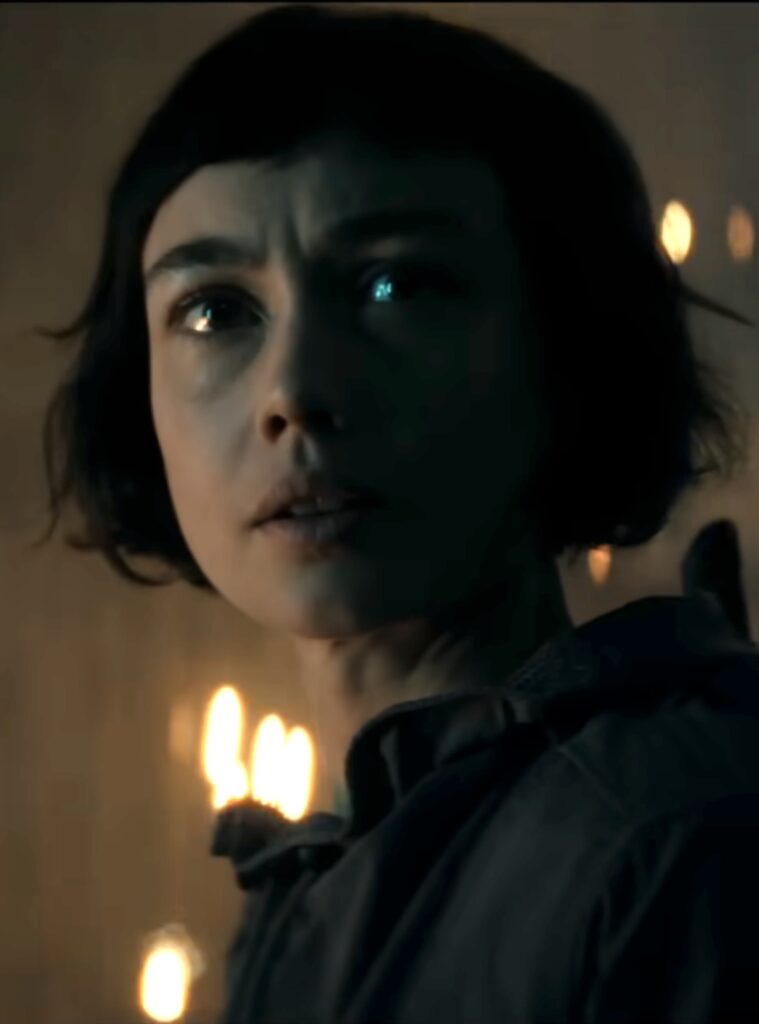
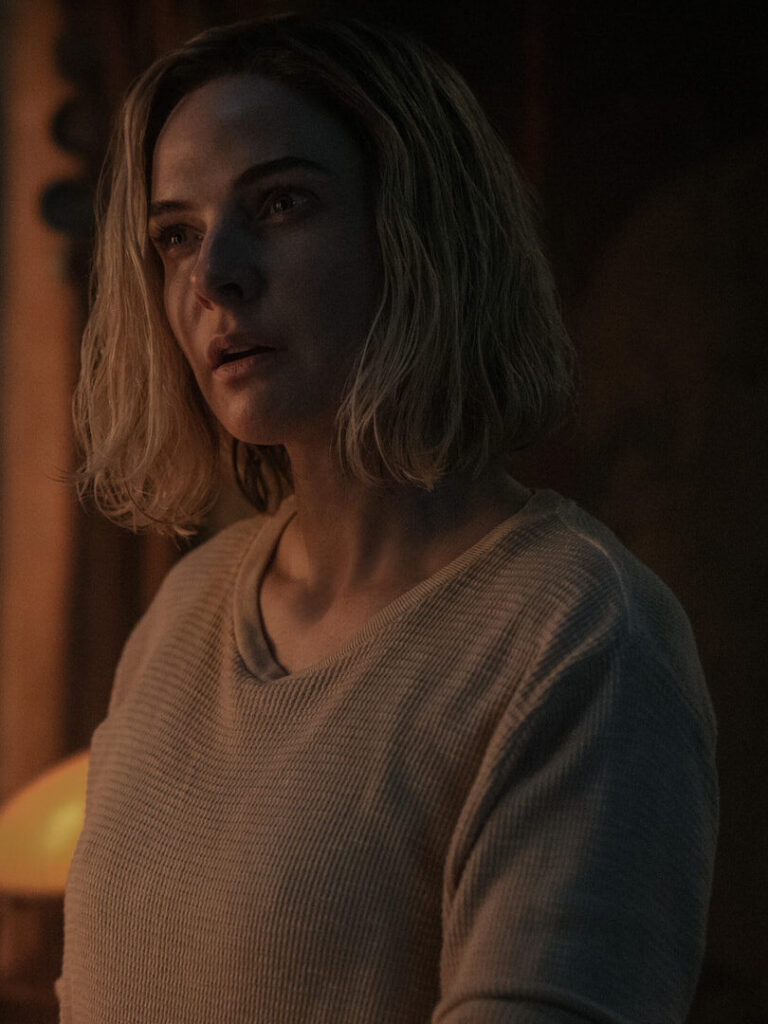
On Apple TV+, Silo features Rebecca Ferguson as Juliette, a headstrong engineer living in a decaying underground society.
Juliette isn’t a savior or a soldier. She’s a curious woman who refuses to accept the lies she’s been told, and that makes her dangerous to those in control.
It’s also what makes her an effective change agent.
The show doesn’t position her as an outlier. It simply treats her as the natural lead in a world desperate for truth.
Hope Meets Brutality on Fallout
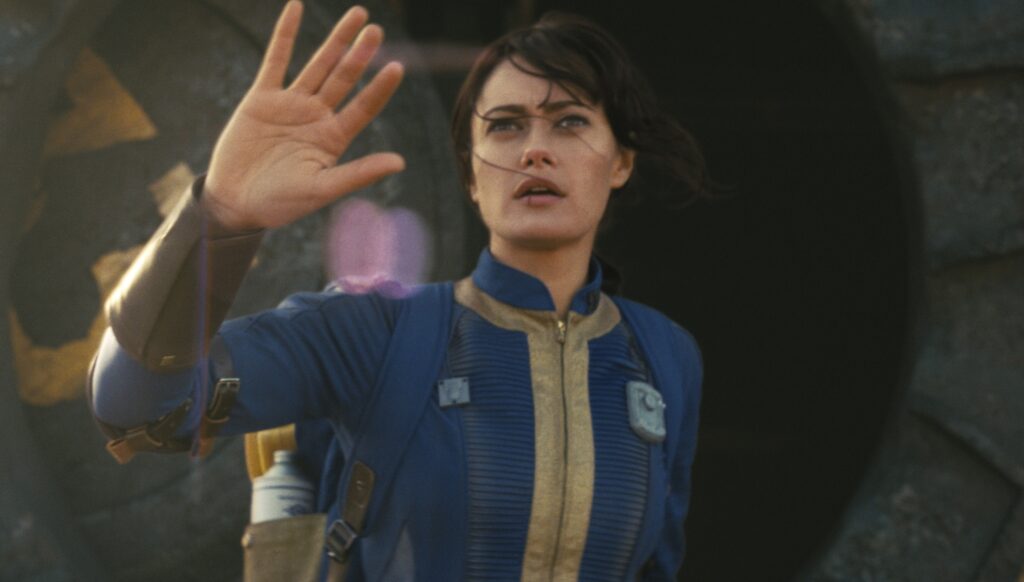
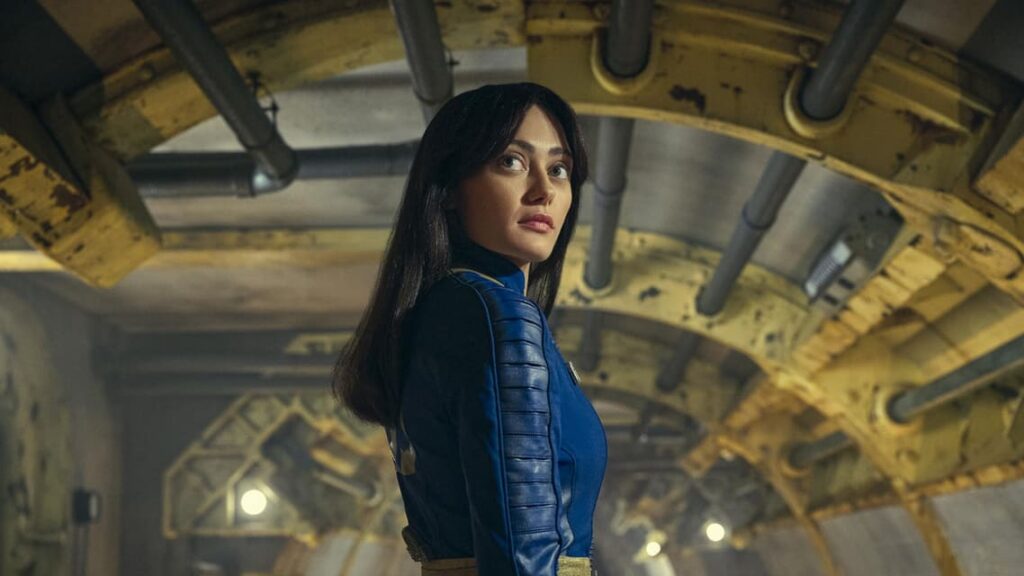
Then there’s Fallout, where Ella Purnell’s Lucy starts the series with wide-eyed optimism and a moral compass intact.
But it doesn’t take long before she’s navigating a brutal wasteland and making impossible choices.
What makes Lucy interesting isn’t just her transformation — it’s the way she anchors the chaos.
Her story about surviving the world, but more importantly, it’s about learning how to shape it.
For All Humankind
On For All Mankind, women have always played a critical role.
However, in recent seasons, they’ve taken on even more leadership roles across politics, science, and exploration.
Whether it’s Margo Madison pulling strings from behind the scenes or Ed Baldwin taking orders from his female superiors, the show has embraced the idea that women aren’t just part of the space race — they’re winning it.

Isolation and Intrigue on Beacon 23
Beacon 23 offers yet another compelling example.
Lena Headey’s character, Aster, is mysterious, methodical, and constantly walking the line between trust and deception.
She’s not just holding her own opposite Stephan James — she’s driving the mystery and emotional weight of the series.
The show’s remote setting and psychological tension are a perfect fit for a lead who keeps you guessing, and Aster delivers.

Power and Perspective on The Peripheral
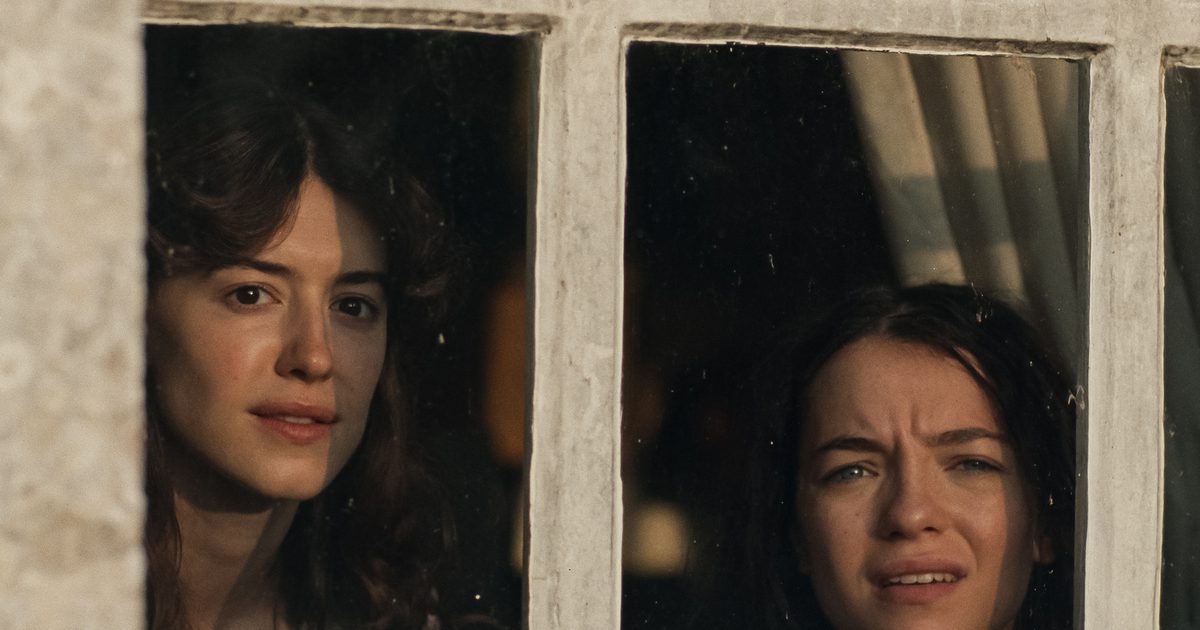
In The Peripheral (RIP), Chloë Grace Moretz starred as Flynne, a young woman who stumbles into a future she doesn’t fully understand and then starts to master it.
Flynne isn’t just reacting to the world around her. She’s changing it, fighting back against forces that see her as expendable.
Much like Lucy or Juliette, Flynne reminds us that survival in sci-fi isn’t about brute force — it’s about adaptability, intuition, and refusing to be underestimated.

The Ensemble Shift
Even in ensemble series or shows that don’t put a woman front and center, female characters are playing increasingly central roles.
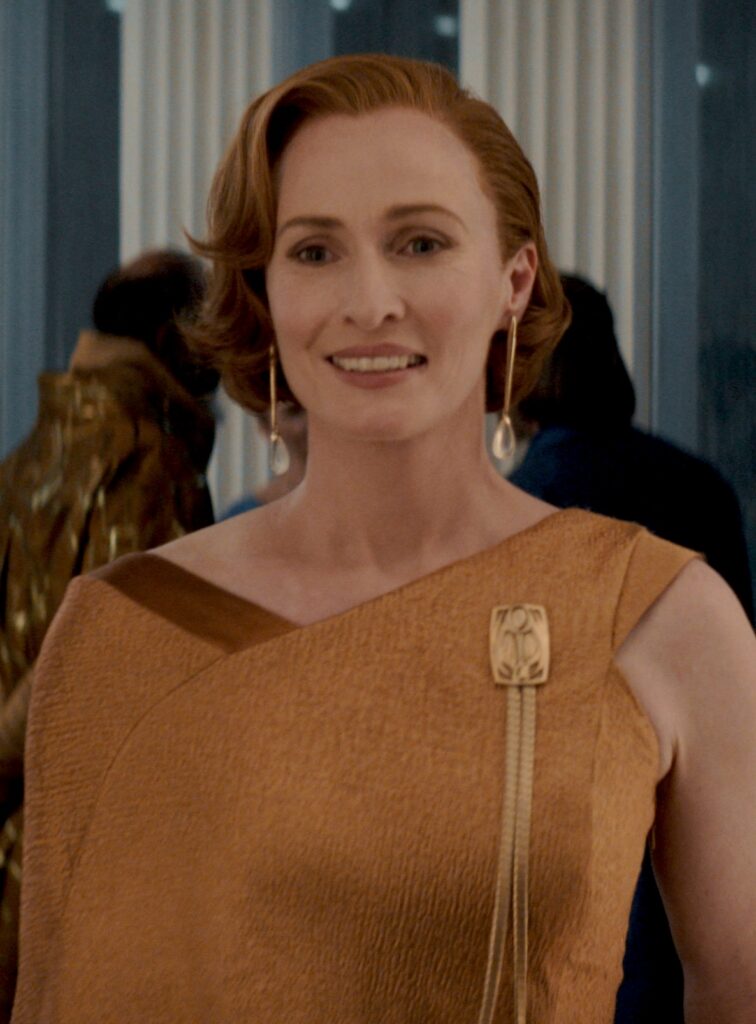
Whether it’s Mon Mothma and Vel on Andor, Bo-Katan and Ahsoka in the broader Star Wars universe, or Melanie Cavill in Snowpiercer, women are shaping the narrative from every angle.
They’re not window dressing — they’re foundational.
None of these women feel like placeholders or diversity checkmarks. They’re complicated, flawed, and capable.
They lead not because they represent an agenda but because they are the story. And that shift — from novelty to norm — is what makes this moment in sci-fi so exciting.
Genre Grows Up
The genre has always flirted with progress, but now it’s walking the walk.
Female leads are showing up not just in one-off roles or special projects, but across franchises, streamers, and network offerings.
They’re stepping into the spotlight without needing to explain why they belong there.
From Ripley to Wendy, the message is clear: women have always had a place in sci-fi. It just took the industry a little too long to catch up.
Luckily, the future still has room to grow — and this time, women are steering the ship.
Who are some of your favorite women in sci-fi? Has this development been overdue, or couldn’t you care less?
Share your thoughts in the comments below!
-
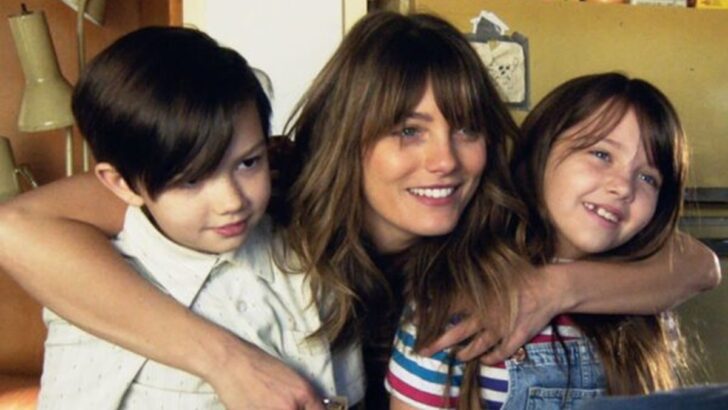
Houston Towe & Scarlett Abinante On Animal Kingdom’s Resurgence and Channeling the Cody Twins
We caught up with Animal Kingdom stars Houston Towe and Scarlett Abinante to discuss the series’ resurgence and channeling the Cody Twins.
-
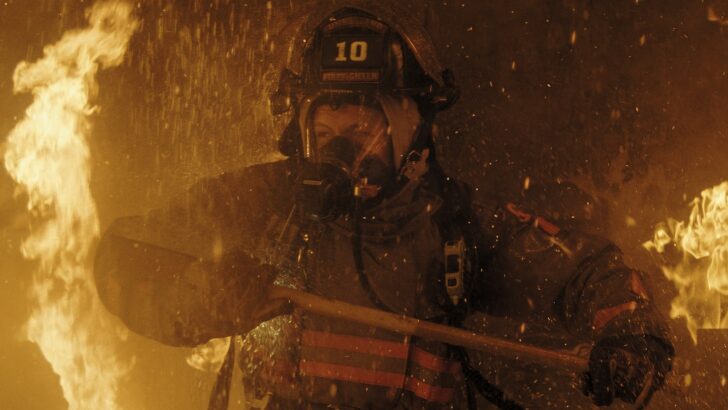
Dennis Lehane on Fire, Fragility, and Fictional Knights in Smoke
By now, fans of Apple TV+’s Smoke know the truth about the show’s arsonists and understand just how twisted, layered, and …
-
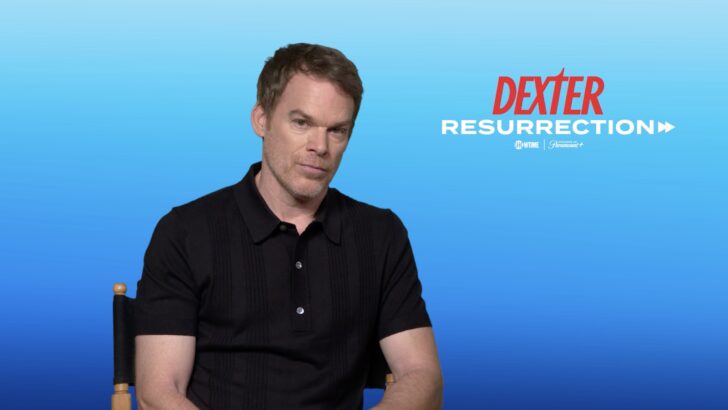
Dexter: Resurrection Cast Talks Legacy, Morality, and New Killers in Town
Michael C. Hall and the cast of Dexter: Resurrection tease legacy, morality, and new monsters in our exclusive interviews ahead of the premiere on Paramount+.
The post Sci-Fi’s New Era Belongs to Women — And It’s About Time appeared first on TV Fanatic.