THE BEST OF THE LITERARY INTERNET
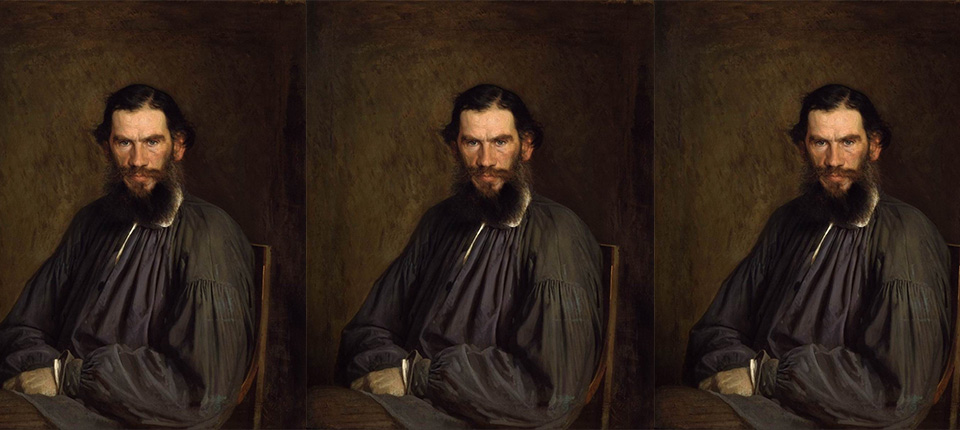
TODAY: In 1828, Leo Tolstoy is born.
- “Language is something that is practiced and learned and something that you can be awful at, and also something that you can get better at. But the only way that you get better is by making mistakes.” R.F. Kuang talks to Adam Dalva. | Lit Hub In Conversation
- What Wiemar Germany’s theater can teach us about artistic expression in the shadow of rising fascism. | Lit Hub Craft
- Tom Allon remembers advice on teaching high school from his friend, the late Frank McCourt. | Lit Hub Biography
- nti-Chinese racism in America, from her Cundill Prize-shortlisted book, John Doe Chinaman. | Lit Hub History
- Here are the winners of American Short Fiction’s 2026 Insider Prize, as selected by Elizabeth McCracken. | Lit Hub
- On struggling to write your own grief (even when you you’ve helped shape other writers’ grief stories): “Over the years, I’d built a business around refining narratives of heartbreak to reveal stories of earned strength.” | Lit Hub Craft
- Peatlands might only account for about 3 or 4 percent of the Earth’s surface, but they have a lot to say about time. | Lit Hub Science
- “For reasons that remain impenetrable until this day, WHEEP-3 tended to be at its sharpest when targeting the nascent industry of human AI-trainers…” Read “50 Things Every AI Working with Humans Should Know” from Ken Liu’s new collection, The Passing of the Dragon and Other Stories. | Lit Hub Fiction
- “Moby-Dick, from the moment the pale Usher pops up, frames itself with—or, indeed, as—a parable of document supply, of transformation of the natural world’s bounty into quartos, folios, lexicons, and, of course, novels.” Tom McCarthy on Melville and the white page. | The Yale Review
- Dónal Gill wonders: could Jonathan Swift be the antidote to generative AI? | The Dial
- Vivian Gornick looks at Love and Death in the American Novel, Leslie A. Fiedler’s “bombshell” 1960 book on American literature. | The Nation
- Anthropic actually wants to “destructively scan” as many books as possible, it turns out. | The New Yorker
- On censorship, labor, and Hu Anyan’s novel, I Deliver Parcels in Beijing. | Public Books
- “…there is evidence that they have become increasingly insecure about their moral legitimacy.” How the rich and powerful learned to appear less elite. | JSTOR Daily
Article continues after advertisement