






























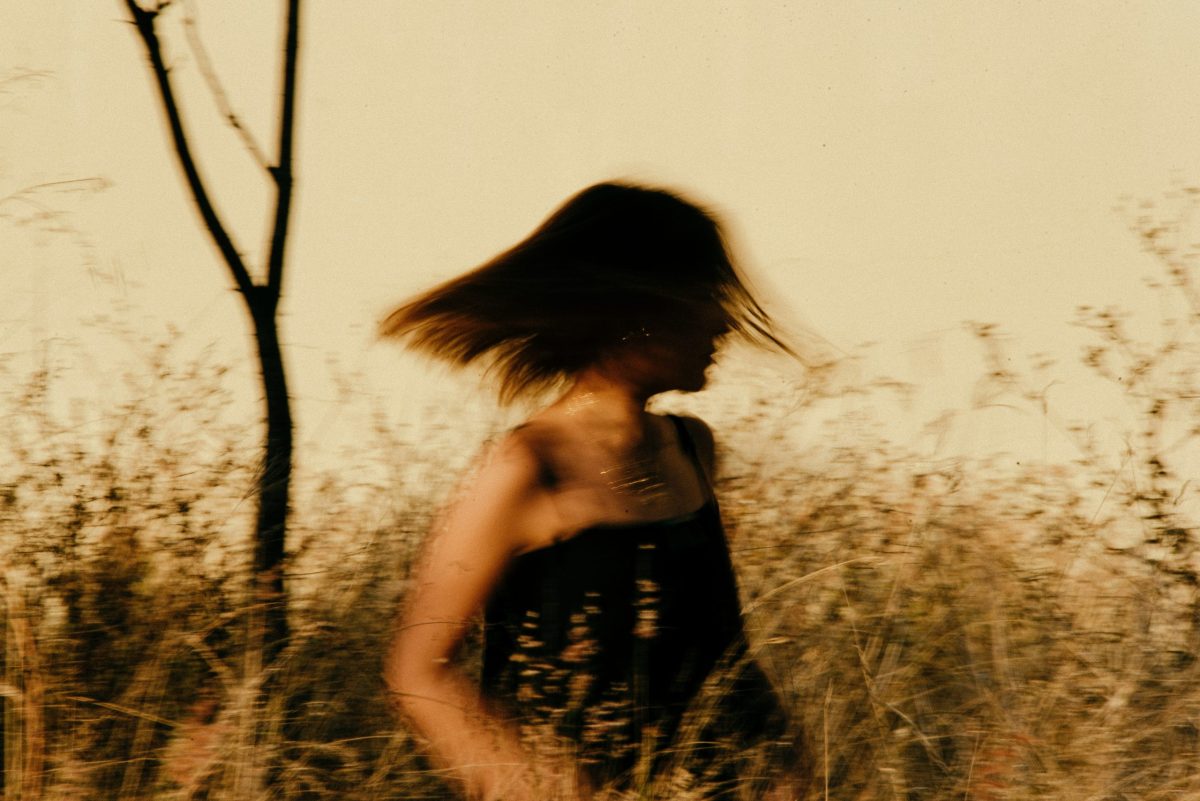



The year 2022 gave us #feralgirlsummer, which morphed into #bratgirlsummer in 2024 and then #messygirlsummer by 2025—all howls against the curated perfection of a hot girl summer. Chaos. Freedom. Truth with its crop top unbuttoned. Going beyond hashtags, these eras represent a refusal to be domesticated by societal expectations. Feral girlhood is a state of mind accessible to anyone who claims agency over their life. While we don’t yet know this year’s moniker, trust the feral girl will live on.
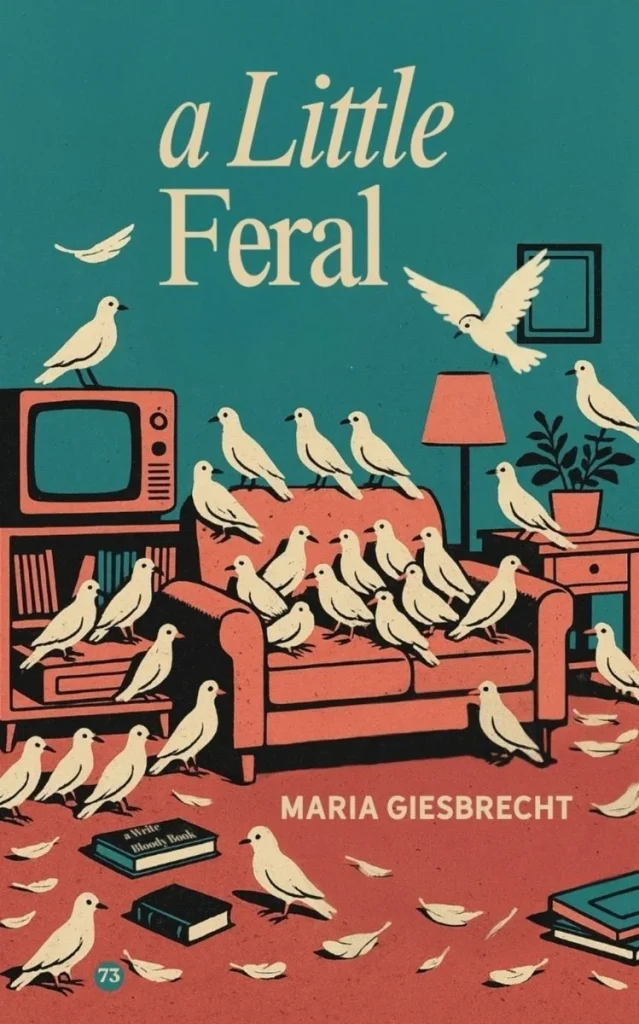
I experienced my first feral girl summer in 2023 by trading my bikini waxes, bleach-and-tones, and spray tans for a pen and paper. It was the year I wrote the first draft of my debut poetry collection, A Little Feral, though I didn’t know it would be titled that at the time. All I knew was that I wanted to write toward the grime, the grit, and the gall. I started posting some of my poems on my Instagram, and my DMs overflowed with folks connecting over our shared mess. I discovered a feeling I haven’t been able to let go of since: baring the worst of myself and having someone take it, hold it, and say, I see you—and then, remarkably, not unfollowing me. Perhaps leaning into this rebellion is what Ocean Vuong means by “embracing the cringe.” Is there any other way to truly be ourselves?
In the seven poetry collections below, you’ll find verses that could never be contained by a perfectly curated grid. These poets are stomping where others are tiptoeing, celebrating the imperfect, often rough sides of ourselves we’ve been taught to file down. Less focus on being palatable. Even less on asking permission. Poems from these collections are one-way tickets to the most honest, untamed version of our lives.
Is This My Final Form? by Amy Gerstler
Amy Gerstler’s fourteenth book of poetry is a collection of shape-shifting poems that thrive in contradiction and obsession. Fluidity and agency are themes in these poems, so much so that the entire collection feels a bit like being on a rocking ship. What this collection of poems seems to dig at is the permanence or expectation of change. The speakers in Gerstler’s poems refuse to settle into a single, legible self and instead are floating, transforming, and cackling in delight between poems. Gerstler writes in a persona poem from the POV of a bird: “The best parts / about being a bird were absence of shame.”
A Bit Much by Lyndsay Rush
A Bit Much is a humorous debut collection with maximalist, ferocious vibes (think leopard-print pants if poems had an outfit). In fact, throw in some glitter hoop earrings while you’re at it. For the poetry lover and the non-poetry lover alike, this book is full of surprise, delight, and aha moments. With poem titles like “Someone to Eat Chips With,” “Maybe Crocs are Okay,” and “Wet n Wild Geese,” Rush insists that saying the quiet part loud is how we survive womanhood, parenting, and the patriarchy. A Bit Much is a sparkly, defiant invitation to embrace your loudest, messiest, “a-bit-much” self.
Let Go With the Lights On by Lexi Pelle
Lexi Pelle’s wit is as sharp as her line breaks in Let Go With The Lights On. These poems explore the friction between ex-Catholic girlhood and the modern world. With a voice as candid as it is clever, Pelle reckons with the heavy (and sometimes sexy) intersections of faith, desire, and beauty. These poems offer a refreshing and poignant look at what it means to move through the world while still carrying the leftovers of a religious past. She writes, “the idea that someone somewhere could look / at a picture of me from the shoulders up / and think I was naked and be wrong about me.” Pelle’s debut challenges writers to look their shame in the eye without trembling.
the past is a jean jacket by Cloud Delfina Cardona
the past is a jean jacket is a gritty, tender scrapbook of queer, Latinx adolescence set against a backdrop of indie bands, cigarettes, and late-night longing. In the titular poem, Cardona writes, “sometimes / i’m so lonely / i practice / small talk / in my car.” I love how Cardona uses white space and harsh enjambment to create pauses and a heavy breathiness in her poems, almost as if the speaker is winded while reciting them. These verses document the frantic, unpolished pulse of youth shimmering with the heat of South Texas. Cardona’s poems yearn, and they don’t apologize for it.
When the Horses by Mary Helen Callier
Rather than treating memory as a static or perfect record or archive, Callier uses theater to investigate the fluidity and ever-changing nature of our memories. When the Horses is a poetry collection that feels like parting the curtains of your own imperfect, fleeting life. In “The Broken Steps,” she writes, “The last night I tried to touch you / I mouthed your name to the door of your back.” Surprising diction like this persists throughout the book. Though some liken her work to walking through a haunted house, I find it carries a deeper, hypnotic quality—almost akin to sleepwalking in a feral state before waking.
Wound from the Mouth of a Wound by torrin a. greathouse
This award-winning poetry collection writes the body as both a site of scarring and a source of song. greathouse writes structural poems that meet at the intersection of disability, transness, and trauma. With their invented form, the burning haibun, they invite the reader to reconsider letting the world aestheticize pain, offering instead a powerful reclamation of identity and resilience. The burning haibun form offers up an opportunity for the reader to watch greathouse’s poems “burn” away on the page. By eroding the narrative, these erasures mimic how trauma destroys memory while exposing a sharper, more honest survival story.
Dead Girl Cameo by m. mick powell
In Dead Girl Cameo, m. mick powell moves beyond mere eulogy to interrogate the spectacle of Black girlhood and the violence of the public gaze. The collection feels less like a traditional book of poems and more like a curated, cinematic haunt. In “dead girl chorus” they write, “i understand what I cannot love most: girl dead twenty-two / feet from the aircraft, balded by its brutal flame.” powell navigates the heavy static of archived trauma and ancestral ghosts with diction that is bold enough to raise fear from the dead. These poems are grief and celebration, slow dancing together.







.jpg "The Italian Dubbing of ‘The Devil Wears Prada 2’ Has Stirred Up a Surprising Controversy")