




























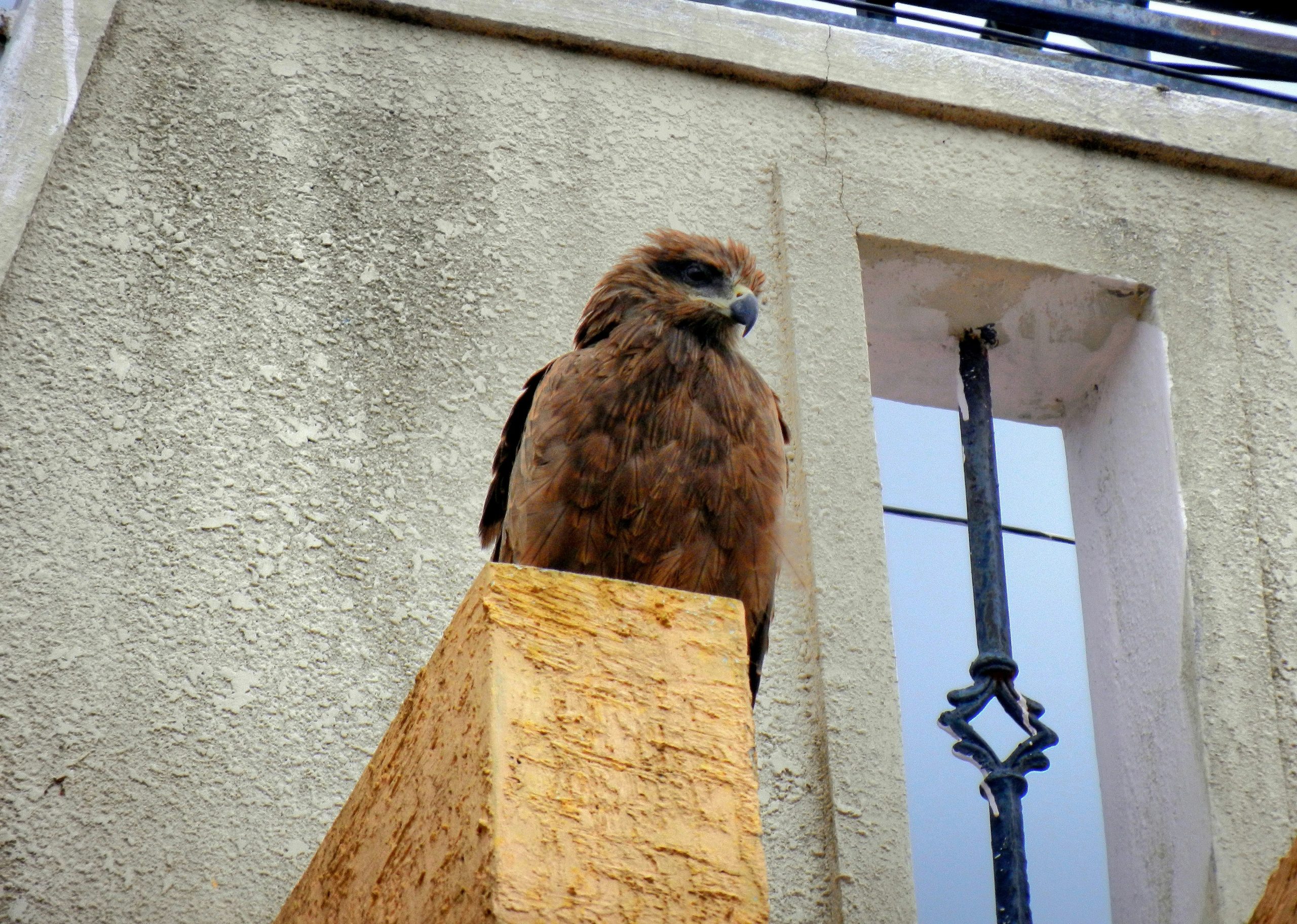
Trauma does not recollect to us whole. Memory is already a ghost of our experience, haunting us from inside our minds and bodies. Put 10 people in a room with a blackbird for an hour and you’ll get at least 13 different descriptions and perspectives. Put 10 people in a room with a blackbird during a natural disaster and most stories are no longer about the blackbird. This is why I’m drawn to experimental texts that create unique formal registers to navigate traumatic moments: works in which form harnesses, mirrors, and refracts trauma, conveying the content’s physical, sensorial, and historical fractures in a way linear narrative cannot. Fracture and experiment can capture not only the breathless, disconnected experience of trauma but physically enact it in the text itself: trauma as cyclone, as body under erasure, shaping not only how we remember these moments but how we put them back together, often in pieces.
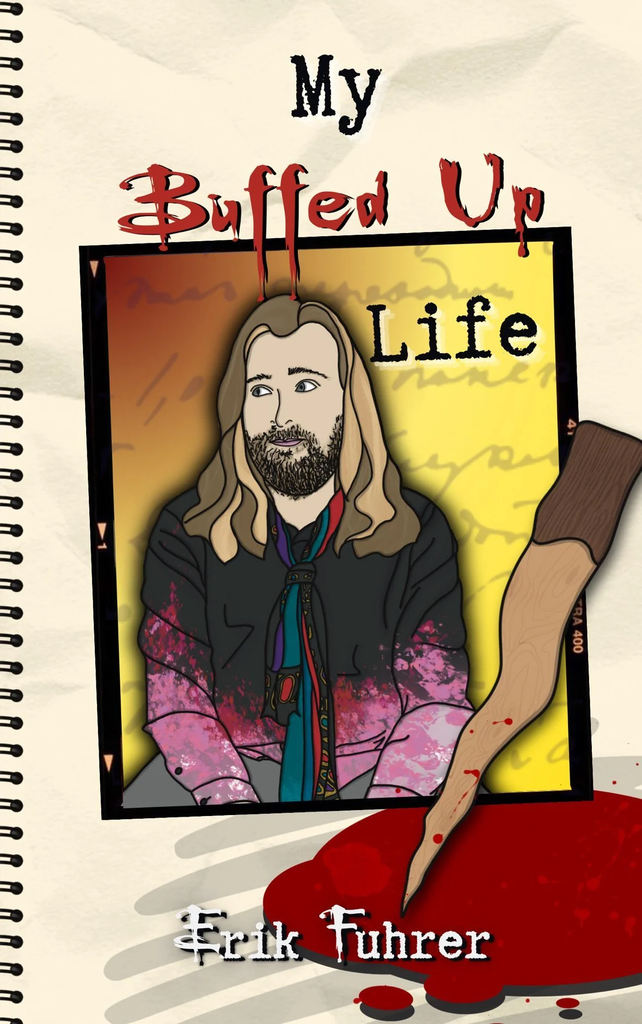
My own narratives of trauma alchemized in nests of light and shadow, where some memories were ice clear and others Chernobyled into dusk and dust. Approached linearly, these narratives always failed, because they did not organize neatly in my mind; they warzoned and blinked. Once I decided to split my text across many forms—a screenplay that deeply visualized individual moments; spells that held and mutated my grief; and letters to a fictional person that allowed me to speak to myself, the void, and an intimate all at once—I was finally able to tell the story of my body and my trauma, which became the content of my forthcoming memoir, My Buffed Up Life.
The following books not only inspired my own formal experiments but are also works I teach often in trauma writing contexts. These writers use form to convey the experience, emotions, and structure of trauma, keeping the gaps, the flaws, the inventions, scalping together image and sensation into something legible but messy and tangled and raw. I return to them again and again.
The Woman Warrior by Maxine Hong Kingston
Kingston tells stories of generational trauma through myth and family history, both real and imagined. The subtitle, Memoirs of a Girlhood Among Ghosts, aptly describes the way the family figures that resurrect are projected versions of themselves. Kingston’s investigation into their blurred histories and bodies is pieced together and transformed as she traces possible shapes from oral accounts in order to tell fuller stories. Kingston writes about her aunt, who committed suicide, and whose very existence her father buried, so that all Kingston has is the ghost of her to breathe imagined narratives into. Possibilities rather than fact. She constructs the plurality of what her aunt might have been, because her aunt’s life had been swallowed by her father. This is a masterclass in writing about another person, especially for trauma-impacted writers.
Nox by Anne Carson
Nox is an elegy for Carson’s brother, who was already partially ghost before he passed, as he left home and called rarely in his absence. In a way this elegy started years before his death, and the reproduced letters, family photographs, and sketches montaged into the book are a testament to the imprints of his presence in her life before and after death. Its accordion spine mimics an ancient scroll, log, and epic, its creased pages paralleling the fracturedness of grief. It cannot be viewed all at once, so sprawling that it would take up many rooms of feet, and therefore becomes like the history and the memory and the body lost to it: accessible in small unfoldings of time and space, but never quite tangible and accessible as a whole.
Zong! by M NourbeSe Philip
In Zong!, Philip performs poetic erasure on the legal decision which documented the captain of the slave ship Zong ordering 150 enslaved Africans to be drowned so the owners could collect insurance. Philip’s erasure extinguishes the violent, colonizing voice of that text into a plural, fragmented chorus of voices: those who were written off, restricted and confined to death. She lets the bodies relegated to the text breathe by pushing the original not just to the margins but eradicating the bones of it, allowing their ghosts to rise and colonize the text in turn. The words scatter across the page, capturing the force of the act and the original document’s erasure of it, surfacing the fragments and laying bare both the violence of the law and the creative and critical power latent in the act of redaction.
In the Dream House by Carmen Maria Machado
Machado’s memoir is a series of flashes into an abusive same-sex relationship. The Dream House is both real and imagined, the hopeful dream scaffolding of this toxic relationship and the scaffolding of the memoir itself: a multi-dimensional concept drawing of a house that can never be built but is often loved and lived in. The house acts as the fractured body of memory, where the entrance becomes the interior becomes the kitchen becomes the freedom of the back door. Each chapter is its own micro-memoir that dons a different trope or genre, from noir to haunted house to Choose Your Own Adventure. The second person voice invites the reader into an intimate relationship with Machado and the narrative, positioning them as confidant and agent within the book, allowing for the surfacing of the reader’s own personal experiences with the material, since the reader is invoked in the “you” as both listener and engager.
Afterglow by Eileen Myles
Myles bleeds fiction into memoir, animating the voice of their late dog Rosie through imagined legal letters on the dog’s behalf and a puppet talk show that feels like Mister Rogers with a touch of Pee-wee Herman: absurd, but salient in its depiction of being controlled by another entity. It becomes a critique of dog ownership, domestic partnership and abuse, and organized religion. The book cycles through dreamlike chapters, some seemingly Myles’, some Rosie’s, capturing the complexity of what it means to “own” another being, the power dynamics inherent in intimate relationships, and the grief and guilt of having done it all wrong: of having hurt the loved one through the same act of love. That love can be easily infected.
My Body Is a Book of Rules by Elissa Washuta
Washuta’s memoir iterates the traumas of her rape and of the experience of her bipolar body through formally inventive chapters that process her experiences through a kaleidoscope of hermit crab forms: from a creative bibliography that tells the history of her body through the books she has read, to medication lists that autobiographically track her experience of each drug, to a fictional script of a hypothetical Law & Order episode that frames people questioning her about her rape as a police interrogation. Washuta’s constantly changing form mirrors an attempt to make sense of experiences that are mentally, physically, and emotionally destabilizing.
Toxicon and Arachne by Joyelle McSweeney
Toxicon and Arachne is a double collection: Toxicon was written during McSweeney’s pregnancy, Arachne after her daughter of the same name was born with a birth defect, lived briefly, and died. It is an elegy to a daughter but also a treatise on the body as an unwilled toxin, insisting that love and poison are spiderwebbed, and we don’t always have control over who and what gets bitten, because the bite is DNAed into us. Feral love breeding its own sharp tooth. In the Arachne half, McSweeney writes with brutal plainness, “I have two living daughters and a third dead daughter,” before spiraling back into venom and web. At the very base level it is the argument of darkness and light.