

























Television is filled to the brim with compelling characters who have served in the military.
While they are fictional, it’s still worth appreciating the layered depiction of veterans who have fought valiantly.
And we’ve rounded up some of the most complex, the most compelling, and the most influential.
Seeley Booth – Bones

On Bones, before he was solving murders alongside Brennan, Seeley Booth was an Army Ranger and sniper whose military experience profoundly shaped the man he became. He achieved the rank of Master Sergeant following service in the Gulf War, Somalia, and Kosovo.
Booth carried the discipline, instincts, and emotional scars of combat into every aspect of his FBI career, often relying on gut instinct and battlefield pragmatism over pure logic.
His service background informed his fierce protectiveness toward his team and loved ones. Still, it also left him grappling with trauma, survivor’s guilt, and the emotional isolation many veterans understand all too well.
What made Booth such a compelling television veteran was the balance between hardened soldier and deeply compassionate family man.
He could be intimidating in the field one moment and heartbreakingly vulnerable the next, particularly when confronting his past or trying to build stability after years of violence and sacrifice.
Sam Hanna – NCIS: LA/NCIS: New York

Sam Hanna represented one of television’s most dependable portrayals of a career military man transitioning into federal law enforcement.
As a former Navy SEAL, Sam possessed exceptional tactical skills, calm leadership under pressure, and a deeply ingrained sense of loyalty to his teammates. But NCIS: LA never reduced him to simply “the tough guy.”
Sam’s military service shaped his worldview, his parenting style, and even his grief after losing his wife. He carried himself with discipline and composure, yet there was always an emotional undercurrent to the character that reflected the sacrifices military families often endure.
Sam embodied brotherhood, resilience, and service, showing that strength wasn’t just about combat readiness but also emotional endurance and unwavering support for the people around him.
Leroy Jethro Gibbs – NCIS


Leroy Jethro Gibbs is arguably one of television’s most iconic veteran characters because his Marine identity wasn’t simply part of his NCIS backstory — it defined everything about him.
A former Gunnery Sergeant in the Marine Corps, Gibbs approached life with rigid structure, discipline, and an uncompromising moral code born from military service and devastating personal loss.
His rules became legendary, but beneath them was a man deeply shaped by trauma, grief, and survivor’s guilt
Gibbs rarely discussed his emotions openly, which made the rare moments of vulnerability hit even harder. He protected his team like family because he understood the importance of trust and brotherhood forged through service.
More than anything, Gibbs reflected the reality that veterans often continue carrying the weight of war long after leaving the battlefield.
Owen Hunt – Grey’s Anatomy


Owen Hunt’s military service was never treated as mere character flavor on Grey’s Anatomy. As an Army trauma surgeon, Owen experienced the horrors of war up close, and the series consistently explored how combat trauma followed him home.
His PTSD storylines highlighted panic attacks, survivor’s guilt, nightmares, and the difficulty many veterans face reintegrating into civilian life.
Yet Owen’s service also shaped his greatest strengths — his decisiveness under pressure, his fierce loyalty, and his instinct to protect others at all costs.
Owen often struggled emotionally, especially in relationships, because war had conditioned him to prioritize survival over vulnerability. What made him such a layered veteran character was how Grey’s Anatomy refused to romanticize his trauma while still honoring his dedication and sacrifice.
Teddy Altman – Grey’s Anatomy


Teddy brought a quieter but equally compelling veteran perspective to Grey’s Anatomy. As a military cardiothoracic surgeon, Teddy carried herself with composure, intelligence, and emotional restraint shaped by years of service.
Her military experiences informed many of her most emotional storylines, particularly surrounding grief, loss, and the complicated bonds formed in combat zones.
Teddy understood the pressure of making life-or-death decisions under impossible circumstances, and that perspective often made her one of the show’s most grounded characters.
At the same time, her vulnerability revealed how deeply military service affected her emotionally, especially when confronting unresolved pain and survivor’s guilt. Teddy represented the sacrifices military medical personnel make both during and after service.
Clay Spenser – SEAL Team

Clay’s journey on SEAL Team captured the complicated realities of modern military life better than most television dramas. Ambitious, charismatic, and eager to prove himself, Clay initially embraced the warrior mentality that defined elite military culture.
Over time, however, the series peeled back the emotional cost of that lifestyle, exploring his struggles with injury, trauma, identity, and life outside service.
Clay constantly wrestled with balancing duty to his team against his desire for personal happiness and stability.
His storyline resonated because it acknowledged how difficult it can be for veterans and active-duty service members to imagine themselves beyond the mission.
Clay wasn’t just a soldier — he was someone trying to figure out who he could become when war stopped defining him.
Hondo – S.W.A.T.
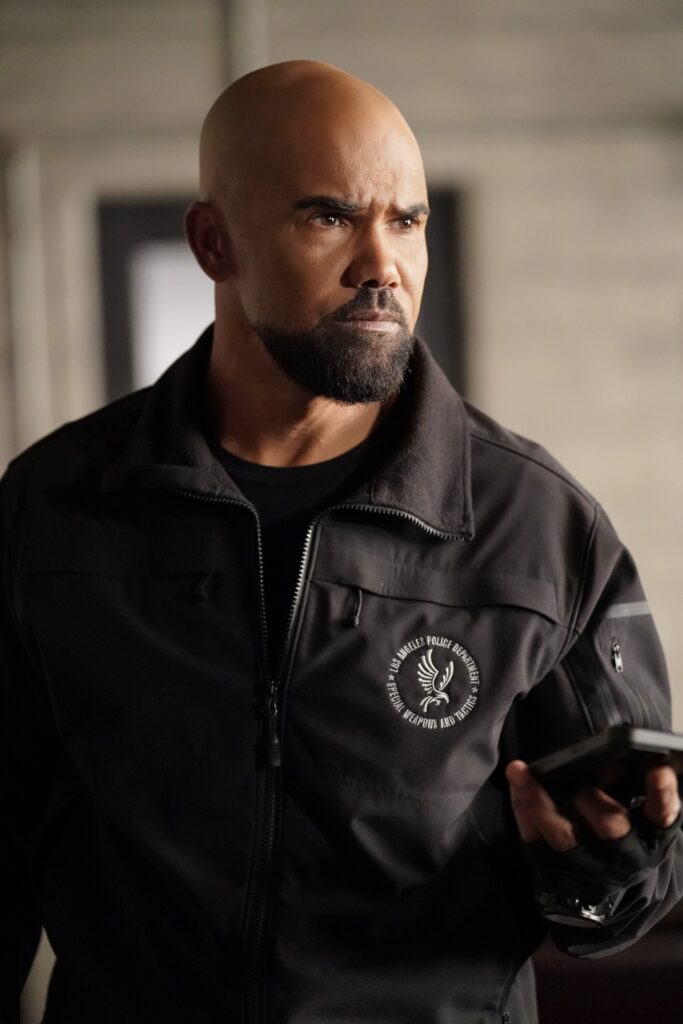

Hondo’s Marine background shaped him into the disciplined, thoughtful leader at the center of S.W.A.T.
Unlike many television action heroes, Hondo balanced tactical toughness with empathy and emotional intelligence.
His military service gave him the calm decisiveness necessary for high-pressure operations, but it also reinforced his sense of responsibility toward both his team and his community. Hondo understood leadership as service rather than authority, which made him such a respected figure.
The character consistently reflected the values of loyalty, accountability, and sacrifice often associated with military life while also showing the humanity behind the badge and uniform.
Jay Halstead – Chicago PD

Halstead’s Army Ranger background remained central to his character throughout Chicago PD, influencing both his strengths and his flaws.
His combat experience left him hypervigilant, emotionally guarded, and prone to internalizing trauma, yet it also fueled his strong sense of justice and protectiveness.
Halstead often struggled with the moral gray areas of police work because he carried the emotional residue of war into civilian life. The show explored how difficult it was for him to reconcile violence with the person he wanted to be.
His military history wasn’t simply referenced for action credibility — it actively informed his relationships, decision-making, and ongoing battle with guilt and anger.
Luke Alvez – Criminal Minds


Luke brought a grounded confidence to Criminal Minds thanks to his background as an Army Ranger.
His military training informed his calm demeanor, physical capability, and tactical instincts in dangerous situations, but the character was equally defined by compassion and emotional steadiness.
Luke understood trauma, survival, and sacrifice in ways that allowed him to connect deeply with victims and teammates alike.
Unlike some veteran portrayals built solely on emotional damage, Luke embodied resilience and adaptability while still carrying the seriousness that comes with military experience. His service background added authenticity to his role as both protector and investigator.
Jack Bauer – 24

Jack Bauer from 24 became television’s ultimate post-9/11 warrior figure — relentless, self-sacrificing, and emotionally shattered by the violence surrounding him.
A former Special Forces operative, Jack approached every crisis with military precision and survival instincts that often pushed him to brutal extremes. What made Jack compelling wasn’t just his competence but the emotional toll of constantly carrying the responsibility of saving lives.
He sacrificed relationships, morality, and his own well-being repeatedly in pursuit of duty. Jack represented the dangerous mindset of someone who believes the mission always comes first, even at catastrophic personal cost.
Underneath the intensity was a deeply traumatized veteran who never truly escaped the psychological consequences of war and counterterrorism.
Abraham Ford – The Walking Dead

Abe stood out on The Walking Dead because he carried himself like a soldier long after civilization collapsed. A former Army sergeant, Abraham approached the apocalypse with tactical thinking and a mission-oriented mindset, giving those around him hope even in hopeless situations.
Beneath his intimidating exterior and often dark sense of humor, however, was a deeply traumatized man struggling with grief, rage, and the crushing emotional weight of survival.
Abraham frequently masked vulnerability with bravado, but the series slowly revealed how much pain he carried from losing his family and watching the world fall apart.
His military background made him a natural protector and leader, but it also left him emotionally conditioned to keep moving forward no matter how badly he was hurting.
That balance between toughness and heartbreak made Abraham one of the franchise’s most memorable veteran characters.
Margaret Houlihan – M.A.S.H.

Margaret “Hot Lips” Houlihan became one of television’s earliest and most important portrayals of a career military woman.
As an Army nurse serving during the Korean War, Margaret initially appeared rigid, by-the-book, and fiercely committed to military structure. But over time, MASH revealed a far more layered character underneath the discipline and authority.
Margaret constantly fought to earn respect in a male-dominated environment that often underestimated her capabilities and dismissed her ambition. Her service demanded emotional resilience, compassion, and extraordinary professionalism while working under impossible wartime conditions.
Beyond the comedy, MASH used Margaret to explore loneliness, sacrifice, sexism, and the emotional exhaustion faced by military medical personnel.
She evolved into one of the show’s strongest emotional anchors — someone whose toughness was earned through experience rather than caricature.
Mike Franks – NCIS: Origins

Mike Franks embodied the old-school Marine mentality that shaped much of the NCIS/ NCIS: Origins universe. A Vietnam veteran and former Marine turned NCIS agent, Franks carried himself with grit, blunt honesty, and a deeply ingrained distrust of weakness.
He served as a mentor to Gibbs, helping shape many of the values and survival instincts that Gibbs later carried into his own leadership.
Franks was often rough around the edges, but beneath the hardened exterior was a fiercely loyal man haunted by years of violence, loss, and difficult choices.
His military service informed his worldview entirely — from the way he handled danger to the emotional walls he built around himself. Franks represented a generation of veterans who rarely spoke openly about trauma but carried it with them every single day.
Michelle Mackey – NCIS: Sydney
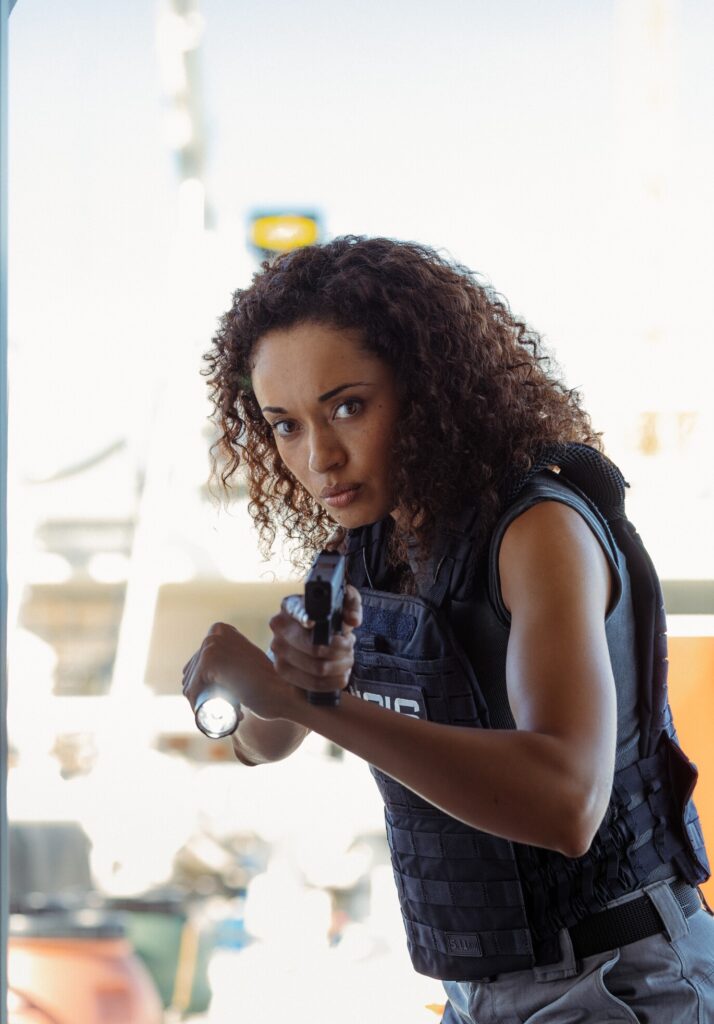
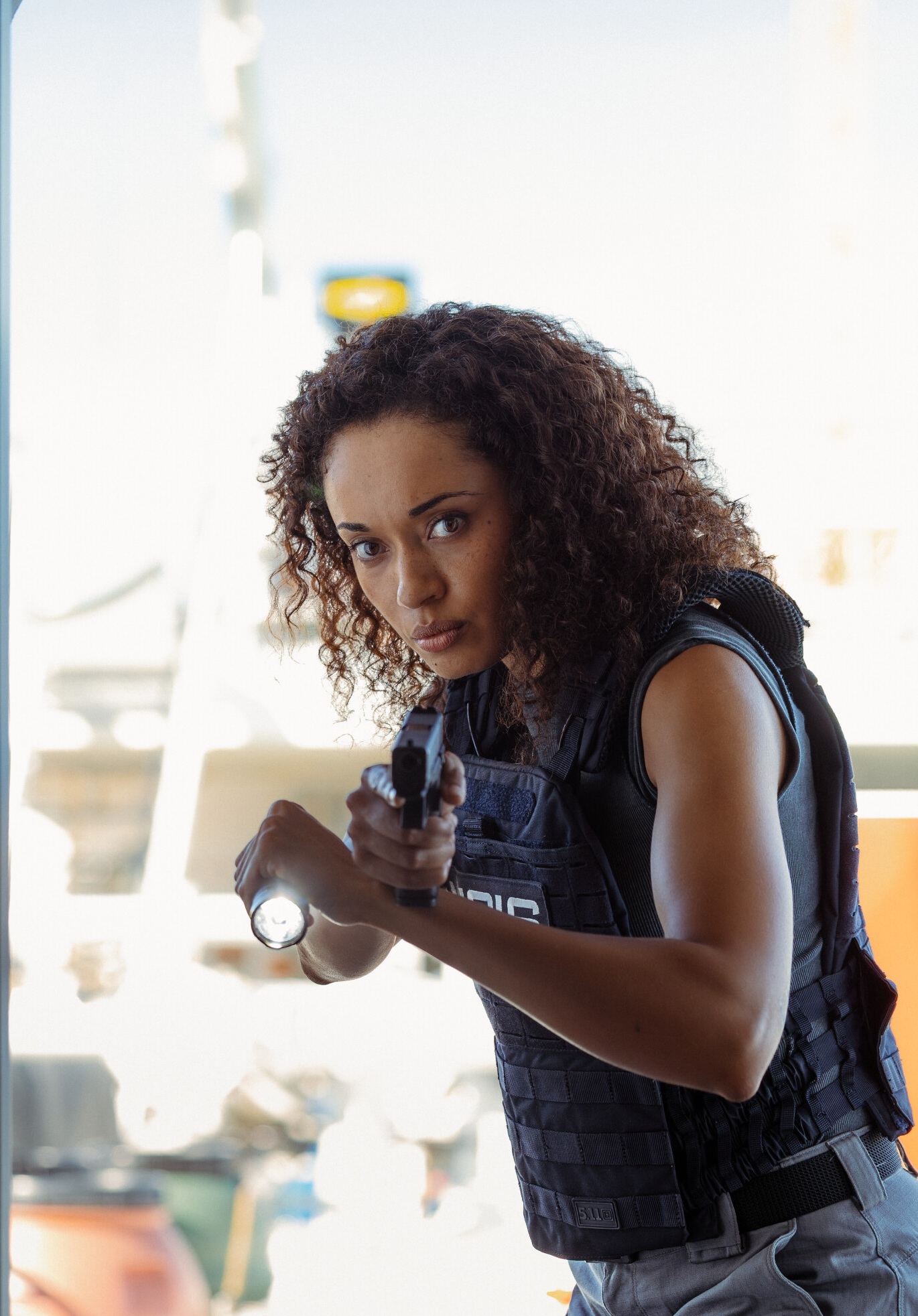
Mackey brings sharp instincts, emotional restraint, and tactical authority to NCIS: Sydney, qualities heavily shaped by her military and intelligence background.
Like many veteran characters within the NCIS franchise, Mackey often approaches situations through the lens of survival, preparedness, and mission focus.
She projects control and professionalism, but there are clear signs of someone deeply affected by the demands of service and high-risk operations, and her previous experiences with conspiracies and court martials have profoundly shaped how she moves forward.
Mackey’s guarded personality reflects the emotional compartmentalization many military personnel develop to function under pressure. At the same time, her loyalty to her team and commitment to protecting others reveal the compassion beneath her hardened exterior.
She represents the balancing act many veterans face between emotional self-preservation and connection.
Omar “OA” Zidan – FBI
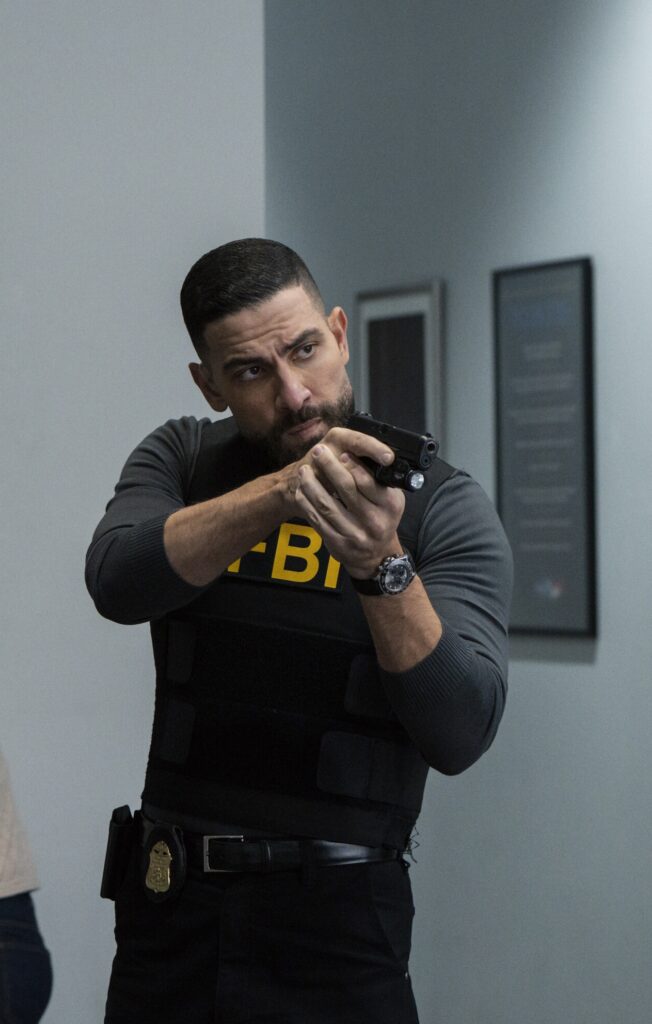
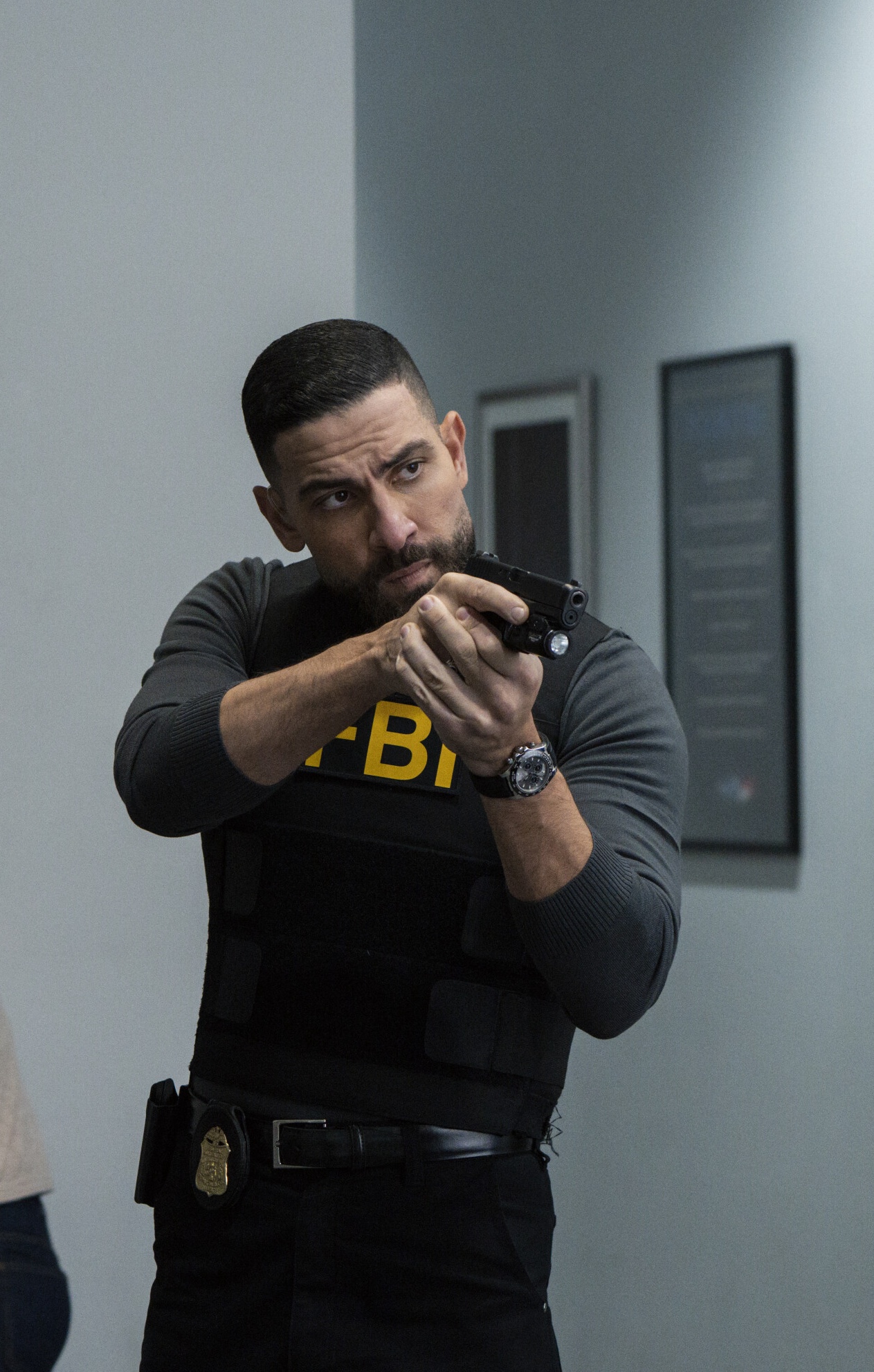
OA is one of the most grounded and fully realized modern portrayals of a veteran in a procedural.
A former U.S. Army Ranger, OA brings discipline, tactical precision, and situational awareness shhoned honed in combat. The series is equally committed to showing how that service shaped his emotional world and identity.
His transition from military service to the FBI isn’t framed as a clean break. Instead, OA often operates in that familiar space many veterans recognize, where structure and mission provide clarity even as civilian life feels more complex and morally ambiguous.
What makes OA especially compelling is how the show balances his strength with his internal conflict. He’s confident under pressure, decisive in the field, and deeply protective of his team, yet he also wrestles with questions of faith, identity, and purpose after leaving the Army.
His Muslim faith is woven into his character, deepening his sense of duty and moral responsibility, especially in moments when personal belief and professional obligation intersect.
Rather than leaning into hyper-macho tropes, the FBI uses OA to explore restraint, emotional intelligence, and the long afterlife of service, making him one of the most nuanced veteran characters currently on network television.
Jack Reacher – Reacher

Reacher’s entire identity is rooted in his years as a U.S. Army military police officer.
Even after leaving the military, Reacher continues to operate with the discipline forged through service. He travels constantly, owns very little, and rarely forms permanent attachments, reflecting how deeply military life shaped his worldview.
Reacher is exceptionally capable in combat and investigations, but what makes him compelling is the quiet loneliness underneath his confidence. He often struggles to fit into civilian life because he still views the world through the lens of justice, order, and survival.
Unlike many action heroes, Reacher doesn’t seek violence for its own sake — he simply refuses to stand by when people are threatened or abused.
His military background gives him both the skill set and the emotional detachment necessary to keep moving from place to place without ever truly settling down.
Frances Neagley


Neagley is one of the most quietly formidable (and rare female) veterans on television.
A former Army investigator and Reacher’s right-hand woman, Neagley exudes tactical brilliance, emotional discipline, and unwavering loyalty with an intimidating level of competence and efficiency.
Unlike many veteran characters written around emotional volatility, Neagley’s strength comes from control — she’s observant, calculating, and almost always the smartest person in the room. Yet beneath that composed exterior is someone deeply shaped by military life, trust issues, and years spent relying only on herself.
Her bond with Reacher reflects the kind of loyalty forged through service, where connection doesn’t require constant emotional expression to feel profound.
Neagley’s military background informs everything from her investigative instincts to her guarded personality, making her one of the most compelling modern portrayals of a female veteran in action television.
Jack Sheridan – Virgin River


Jack Sheridan’s experiences as a Marine veteran are woven deeply into the emotional core of Virgin River. While Jack is charming, dependable, and beloved by his community, the series never shies away from showing the lingering effects of military trauma on his daily life.
Jack struggles with PTSD, anxiety, survivor’s guilt, and alcoholism, often attempting to shoulder emotional burdens alone rather than asking for help.
His military service shaped his instinct to protect others, but it also left him emotionally conditioned to prioritize everyone else’s well-being above his own.
What makes Jack’s storyline resonate is how realistically it portrays healing as an ongoing process rather than a simple resolution.
John “Preacher” Middleton


Preacher represents the quiet strength often associated with veterans who become caretakers after service. As a former Marine and Jack’s closest friend, Preacher carries himself with calm discipline, reliability, and emotional steadiness.
His military background informs his protective instincts and his tendency to place others’ needs ahead of his own.
Unlike some veteran characters driven by visible anger or recklessness, Preacher channels his experiences into compassion and service to his community.
Preacher’s loyalty, patience, and willingness to step up in times of crisis make him one of Virgin River’s most dependable emotional anchors.
Dan Brady

Brady’s journey on Virgin River highlights the darker side of struggling to transition out of military life. A Marine veteran haunted by trauma and poor decisions, Brady often feels isolated from the people trying to help him.
His military experiences left him emotionally scarred and desperate for purpose, which contributed to his involvement in dangerous situations and self-destructive behavior.
Unlike Jack or Preacher, Brady doesn’t initially have the same support system or emotional stability, making his path significantly messier. Yet that’s precisely what makes his storyline compelling.
Brady reflects the reality that not every veteran adapts successfully after service, especially when trauma, guilt, and loneliness go unresolved. His story becomes one about redemption, accountability, and the difficult process of rebuilding trust in both himself and others.
Kayce Dutton – Yellowstone, Marshals

Kayce Dutton’s time as a Navy SEAL profoundly shaped the internal conflict that defines his character throughout Yellowstone.
Unlike the rest of the Dutton family, Kayce often seems exhausted by violence even while remaining exceptionally capable of it.
His military service heightened his survival instincts, tactical skills, and emotional detachment, but it also left him carrying visible trauma and guilt.
Kayce constantly struggles between the peaceful life he wants and the violent world he keeps being pulled back into. His military background explains both his protectiveness and his emotional distance, particularly when confronting conflict or loss.
Yellowstone used Kayce to explore how veterans can feel trapped between duty, family expectations, and the desire to escape cycles of violence that no longer feel survivable.
And Marshals seems to explore how Kayce can channel all of that for good.
Dr. Jack Abbot – The Pitt

Abbot brings the calm decisiveness and emotional exhaustion of a military physician into the chaos of emergency medicine on The Pitt.
His service background shaped his ability to function under pressure, make impossible decisions quickly, and compartmentalize trauma to keep helping people.
Yet there’s also a quiet weariness to the character that suggests years spent witnessing suffering and crisis, as well as being in one.
Abbot carries himself with professionalism and compassion, but the emotional cost of all that he endured is ever-present as he’s a veteran who’s just barely functioning with depression and trauma.
Eddie Diaz -9-1-1

Eddie’s military service remains one of the most emotionally significant aspects of his character on 9-1-1. A former Army medic and soldier, Eddie returned home carrying PTSD, survivor’s guilt, and a profound sense of emotional disconnection that affected nearly every part of his life.
The series thoughtfully explored how trauma influenced his parenting, relationships, and tendency to shut down when overwhelmed emotionally.
At the same time, Eddie’s military background also shaped his greatest strengths — his composure in emergencies, his protectiveness, and his unwavering dedication to the people he loves.
Eddie resonates because he reflects the complicated reality of veterans trying to build stable lives while still carrying invisible wounds from service. His story consistently balances toughness with vulnerability in deeply human ways.
Joss Carter – Person of Interest

Jocelyn “Joss” Carter brought both moral authority and emotional intelligence to Person of Interest.
A former Army interrogator before joining the NYPD, Carter carried the discipline, composure, and strategic instincts of someone trained to survive high-pressure environments.
Unlike many characters drawn into the show’s morally gray world, Carter consistently fought to hold onto her ethics and sense of justice.
Her military service informed her leadership style and her ability to remain calm under pressure, but it also gave her a deeper understanding of trauma, violence, and sacrifice.
Carter stood out because she balanced toughness with empathy, becoming the emotional conscience of the series while never losing the quiet strength that made her such a compelling veteran character.
Russell Shaw – Tracker


On Tracker, Russell Shaw’s service history contributes to both his competence and the emotional tension surrounding his relationship with his brother, Colter.
Russell strategically approaches situations and conflict. Like many veteran characters, he carries the sense that he’s seen and experienced things that permanently altered how he interacts with the world.
His military background reinforces the mystery surrounding him while also grounding the character in realism and emotional complexity.
Russell’s presence highlights how service can shape not only a person’s skill set but also how they approach trust, loyalty, and family.
Tim Bradford – The Rookie


Tim Bradford’s Army background heavily informs the rigid discipline and commanding presence he initially projects on The Rookie.
As a training officer, Tim often pushes rookies to their limits because he believes preparation and accountability can mean the difference between life and death.
His military experience taught him structure, emotional control, and survival under pressure, but it also left him deeply guarded emotionally.
Over time, the series gradually peeled back Tim’s tough exterior to reveal someone carrying heartbreak, trauma, and vulnerability beneath the stoicism.
His growth became especially compelling as he learned to let people in and soften some of the emotional walls built through years of military conditioning.
Tim’s story reflects how veterans often struggle to balance emotional openness with the survival instincts that once kept them safe.
Sarah MacKenzie – JAG

Sarah “Mac” MacKenzie remains one of television’s most influential portrayals of a female military officer.
As a Marine Corps major and attorney on JAG, Mac balanced intelligence, authority, and emotional resilience in a world that constantly tested her professionalism and leadership.
She carried herself with the discipline and confidence of someone who had fought hard to earn respect within a traditionally male-dominated military environment.
Yet, the series also allowed her vulnerability and compassion to shine through.
Mac wasn’t simply written as “one of the guys.” Instead, JAG explored the emotional weight of service, duty, sacrifice, and moral responsibility through her perspective, making her one of the era’s most layered military characters.
She helped pave the way for more complex portrayals of women in military and procedural television for years to come.
Bob Lee Swagger – Shooter
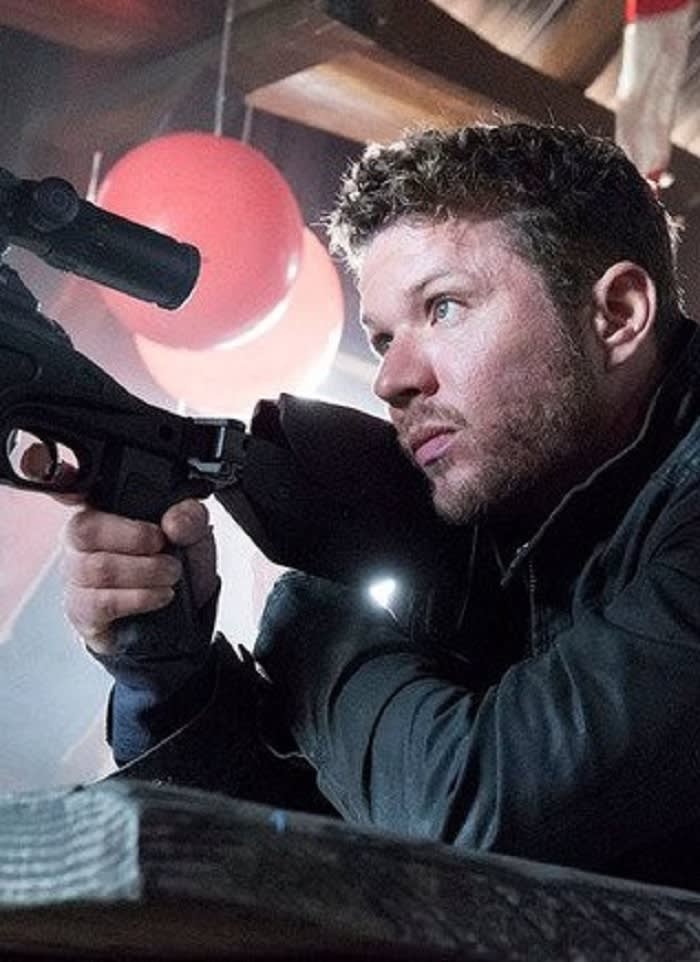
Bob Lee Swagger is one of television’s most iconic modern military veterans, a former Marine Corps Scout Sniper whose skills, instincts, and trauma follow him long after leaving active duty.
In Shooter, Bob Lee is defined by precision — not just as a marksman, but as someone who analyzes the world through patterns, threats, and survival logic honed in combat.
His military service shaped him into an almost mythic figure: highly disciplined, physically formidable, and deeply self-reliant, but also isolated by everything he’s experienced.
The series consistently explores how that level of expertise comes with emotional cost, especially when betrayal, government manipulation, and violence force him back into the world he tried to leave behind.
Bob Lee’s story is fundamentally about a veteran who never truly exits the battlefield, carrying the psychological weight of service into every decision, relationship, and confrontation.
TV Fanatic doesn’t run on corporate dollars — it runs on readers like you.
If you liked this, leave a comment or share it. That’s the secret sauce.
-

A Memorial Day montage of TV’s most compelling veterans—characters shaped by service, sacrifice, trauma, and everything that comes after the uniform.
-

Lexie Carver’s resurrection helped Abe and Theo get the frontburner story they deserve. We can’t wait to see what’s next.
-

The Way Home Season 4 Episode 6 revealed the elder Tessa and played into the Romeo & Juliet nature of Landry’s & Goodwins.
-

Days of Our Lives spoilers for the week of 5-25-26 include a heartbreaking discovery for Amy, but this story leaves something to be desired.
-

Boston Blue Season 1 Episode 20 wrapped up the season with one of its strongest episodes, but that cliffhanger was ridiculous. Our review!
TV Fanatic is searching for passionate contributors to share their voices across various article types. Think you have what it takes to be a TV Fanatic? Click here for more information and next steps.