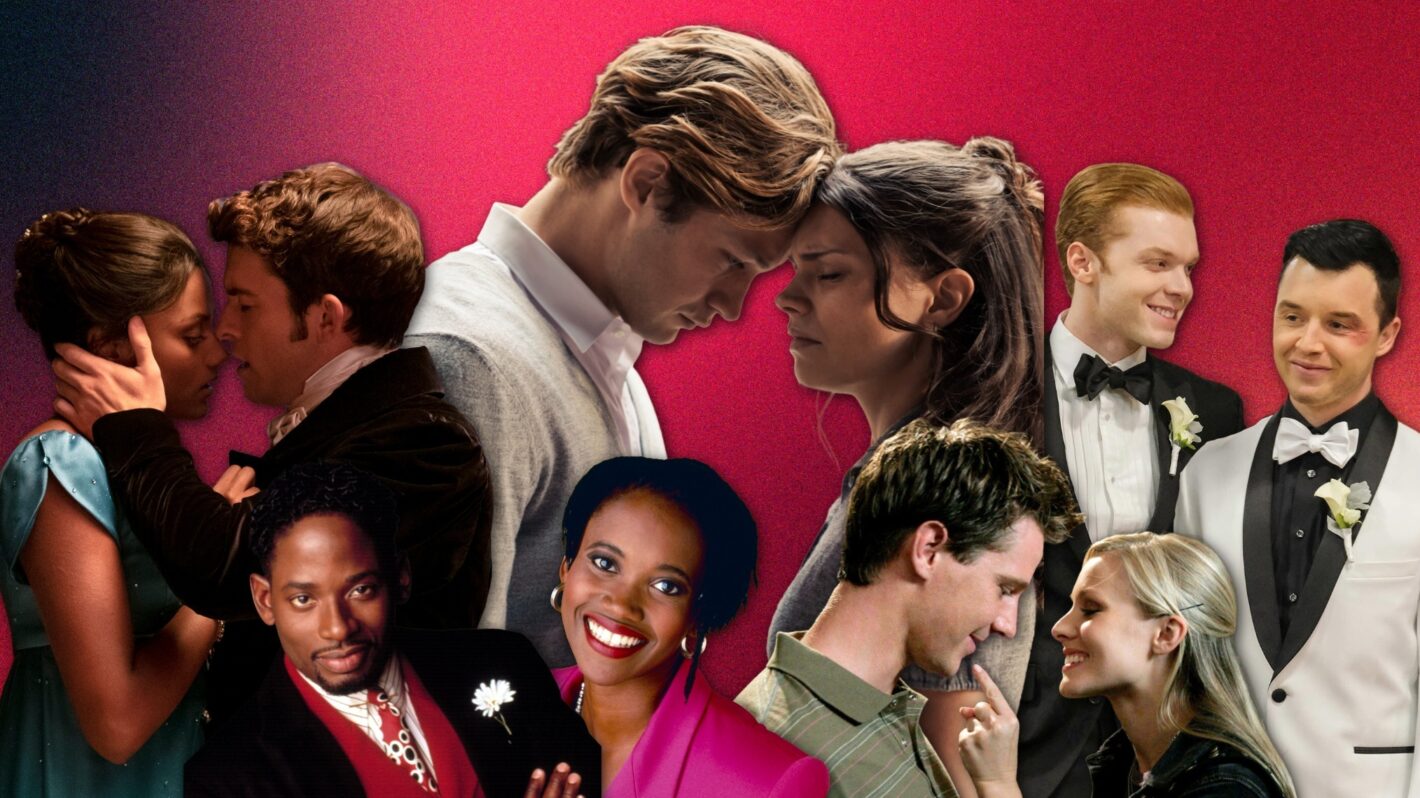




























If you ask me what I love most about watching television, one of my primary answers is the characters.
And some of the best shows have strong ensembles with characters and dynamics that are so endearing or compelling that one cannot wait to tune in again to see what new dynamics will be explored and in what capacity.
However, supporting characters often risk being sidelined.
In fact, one of the most frustrating aspects of introducing new characters into a series is that it can push already established but less developed characters to the fringes.
Some shows balance new and established characters well. Others struggle, resulting in sidelining.
Brilliant Minds is a prime example of this, and we’ve discussed it before.
One of the most compelling aspects of Brilliant Minds Season 1 was its strong sense of Found Family, as Wolf formed connections with his interns and residents, and they developed an unorthodox working environment that made them feel like family as much as a team.
Unfortunately, part of what pushed people away from Brilliant Minds Season 2 was that the core connection amongst Van, Jacob, Dana, and Ericka fell by the wayside in favor of more contentious plot points.
Suddenly, Jacob and Van lacked storylines and felt more like they were making cameos instead of actually working in the same hospital or even part of the same team.
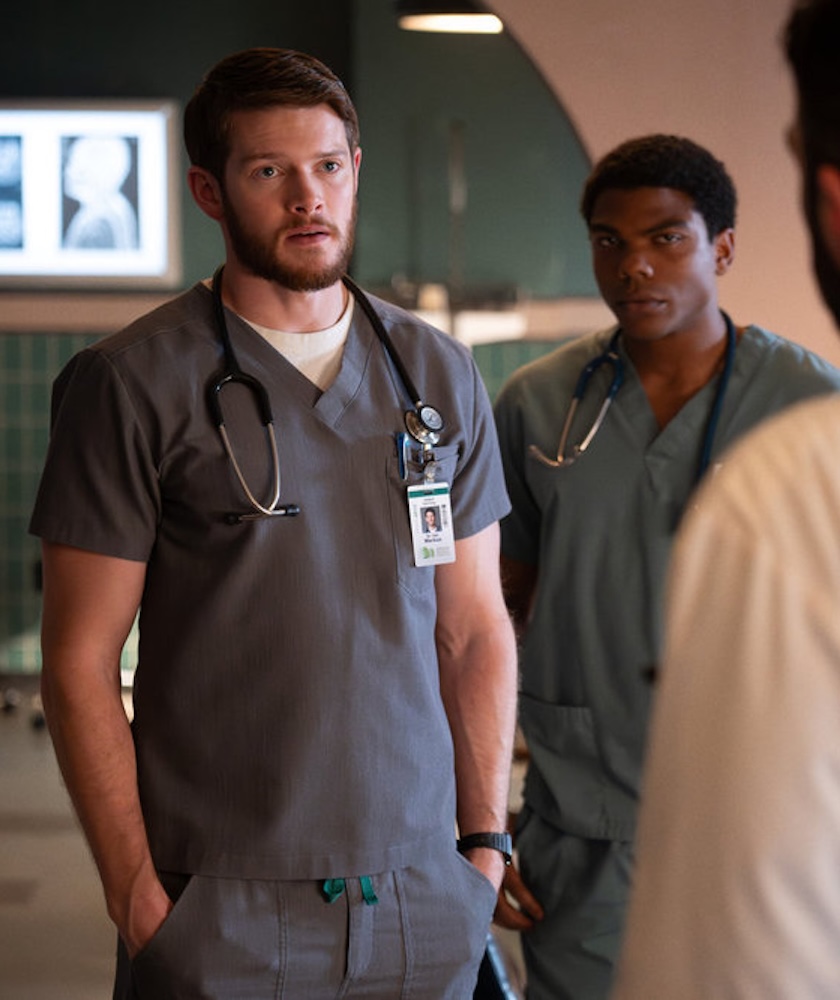
And it continued until both characters left the series. While their plot points ultimately worked well enough when we had them, especially towards the end, they disrupted the show’s overall vibe.
Viewers weren’t prepared for characters they had fallen in love with and wanted to see more of, not less, being sidelined.
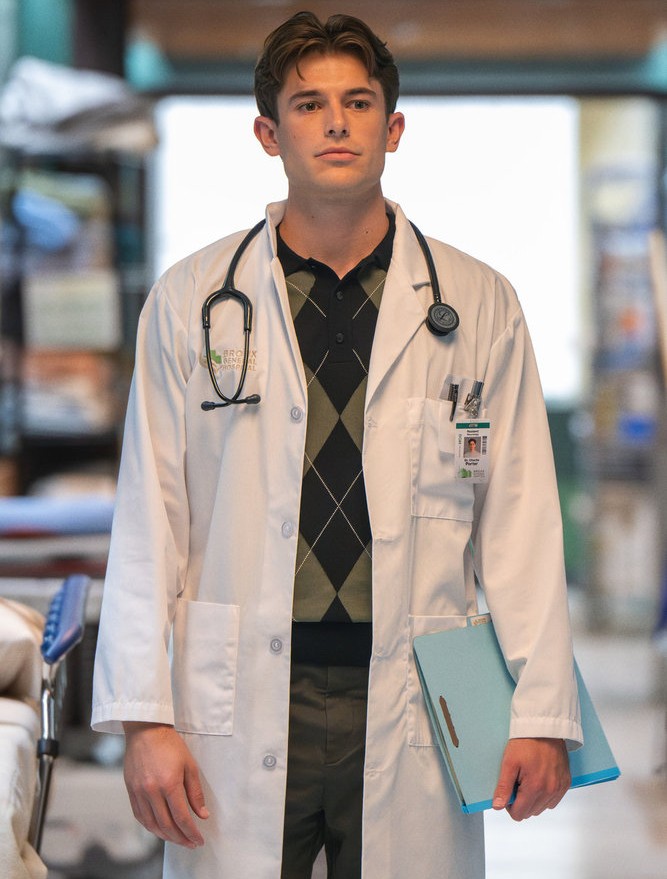
Brilliant Minds devoted much of the season to new character Charlie, leading Jacob and Van to the fringes so the show could explore Charlie’s conflicts.
It’s not to say that additions like Charlie, Thorne, and the hilarious Nurse Silva don’t add something of value to the series. In fact, it’s not even about disliking these characters at all. They’ve been great, even Charlie, who has taken a long time to accept.
But such a major shake-up of key cast members just as storylines were being built leaves the plot, stories, and relationships feeling unfinished.
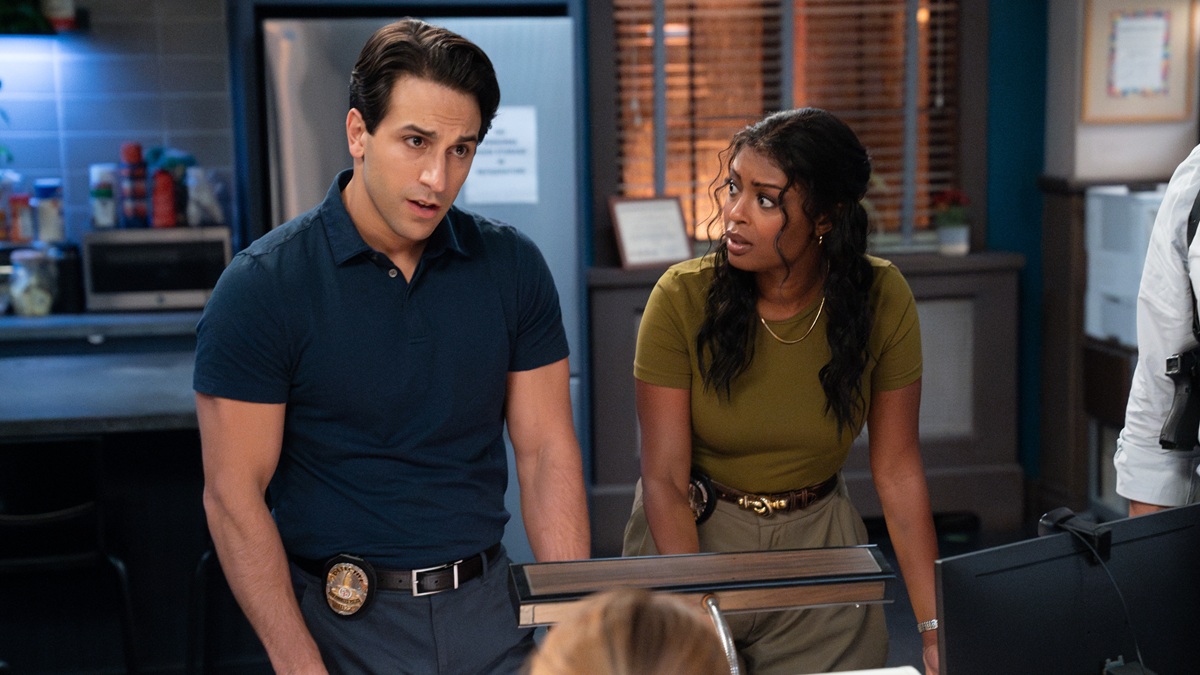
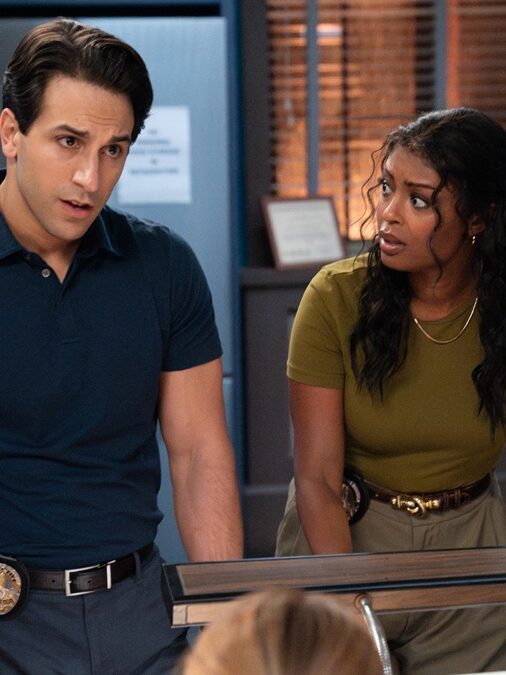
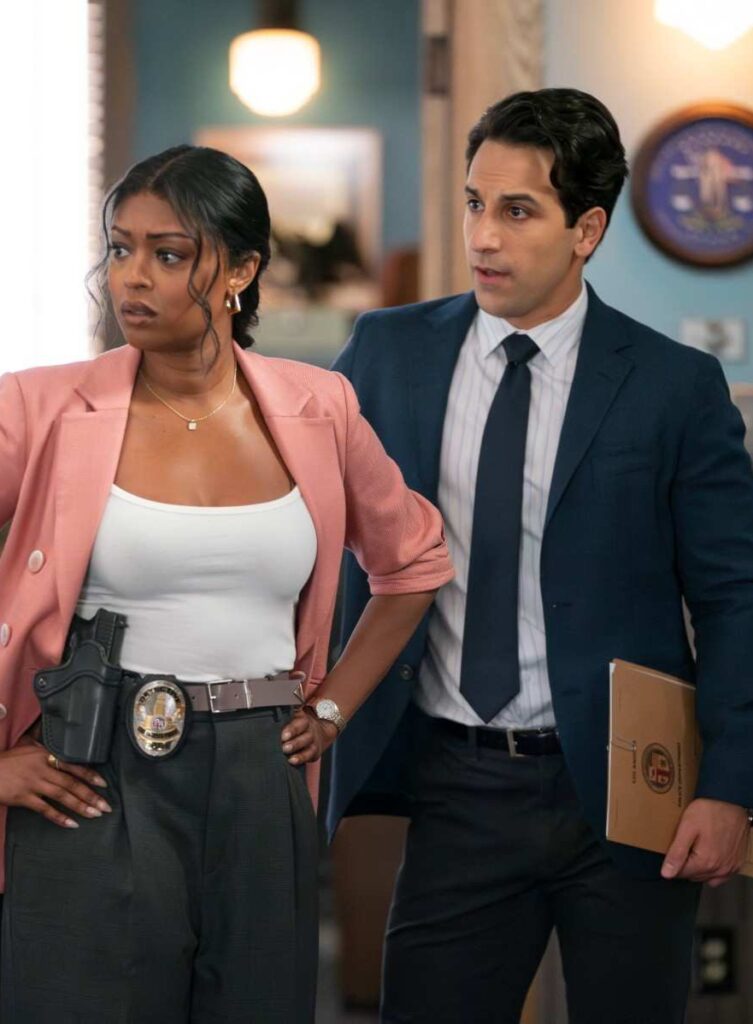
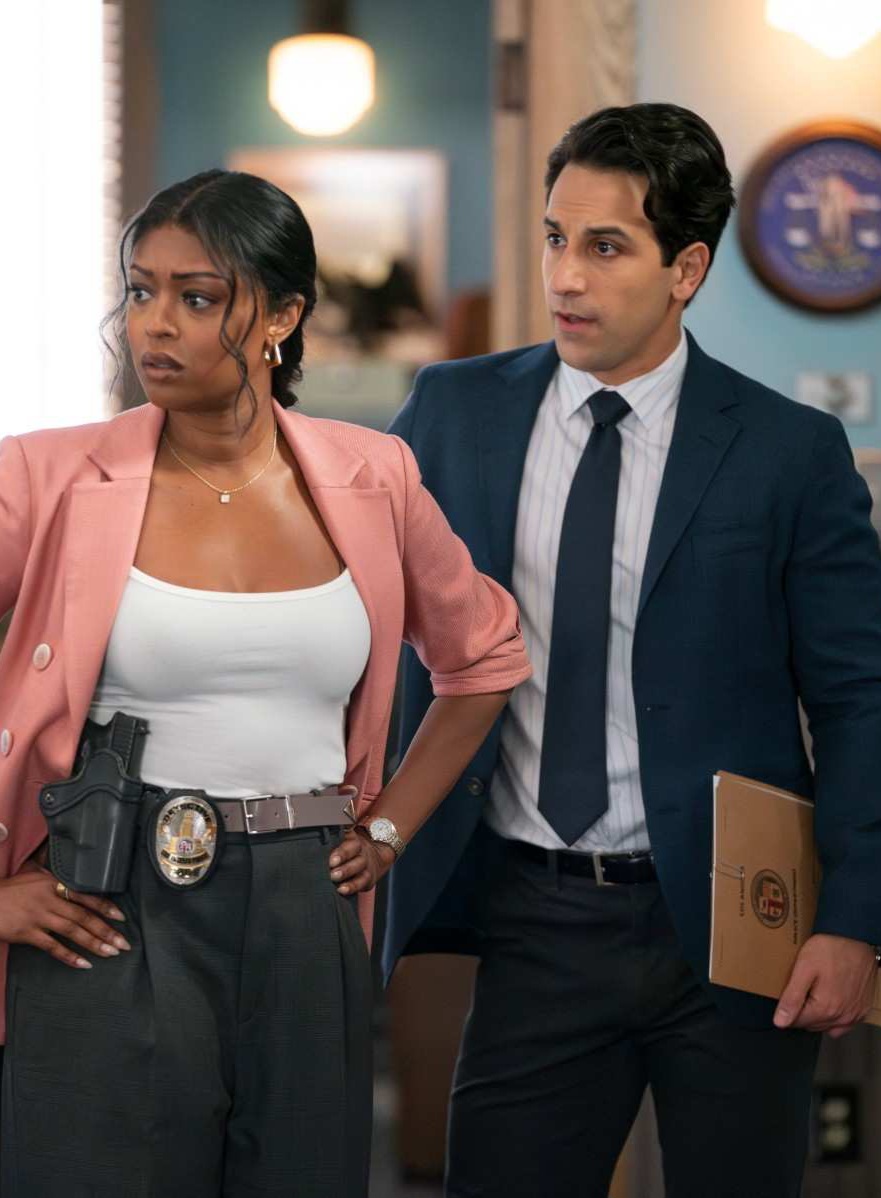
Similarly, High Potential faces the issue of sidelining its characters.
It makes sense that on a series that, for all intents and purposes, serves as a police procedural, we don’t spend quite as much time with Morgan’s kids consistently.
I’d even argue that the sophomore season has done an even better job than before of really selling us on who Morgan is as a mother and the importance of motherhood in her life.
But in a police procedural series, it’s frustrating that characters like Daphne and Oz remain underdeveloped, lacking storylines, screentime, and presence.
They’re the B-Team as investigators, but there are times when they barely have more than a few lines. By the sophomore season, we should know these two characters even better, without feeling as if we haven’t made any strides.
Wagner’s introduction highlights this, as much of the season focuses on him, his conflicts, and his hot-cold dynamic with Morgan.
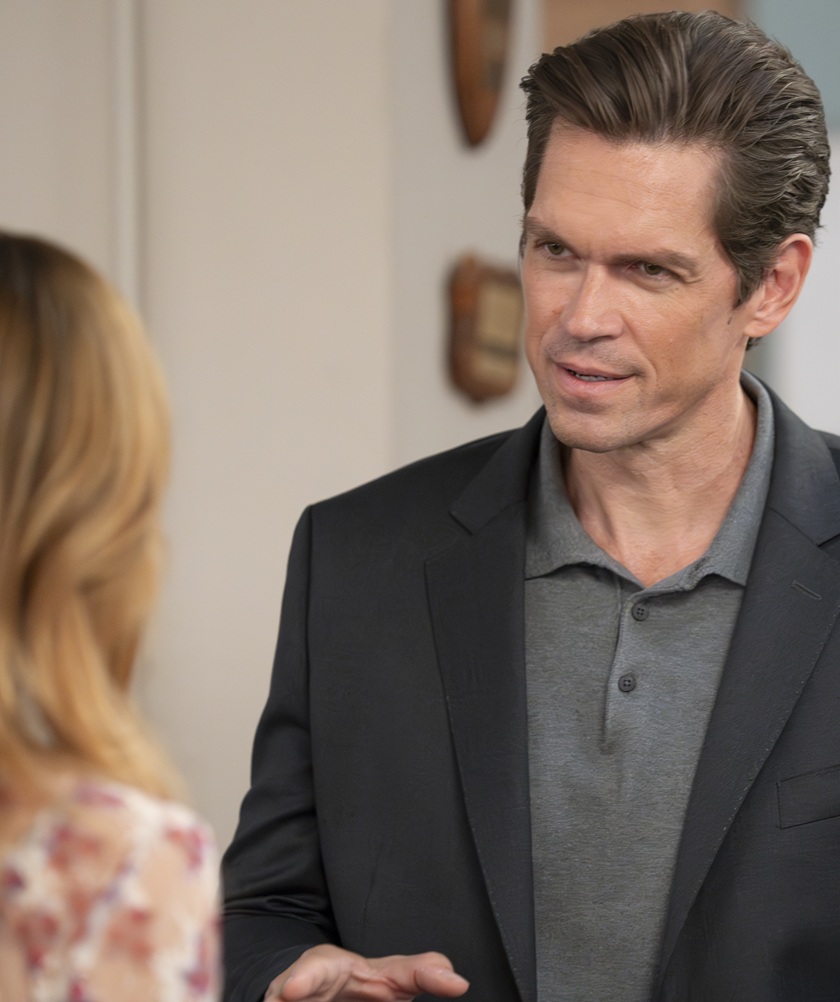
We’re left to theorize how he factors into Morgan’s world and what agenda he may or may not have. But in the meantime, potential arcs that could dig into characters like Oz never get any space.
For example, Oz had a near-death moment all because of the Game Master.
Yet beyond the first two episodes of the season, that really just boiled down to Oz having a very limited role in the investigation and then getting to slap the cuffs on the guy in the end; we never get to explore where he is mentally and emotionally any deeper.
High Potential fumbles a great opportunity to actually give a beloved character we’ve had since the beginning real depth.
In fact, while I’ve mulled this over constantly all season, it’s only in High Potential Season 2 Episode 12 that we revisit Oz in any major capacity and get some great insight into the grief and guilt he’s still battling after his father’s death.
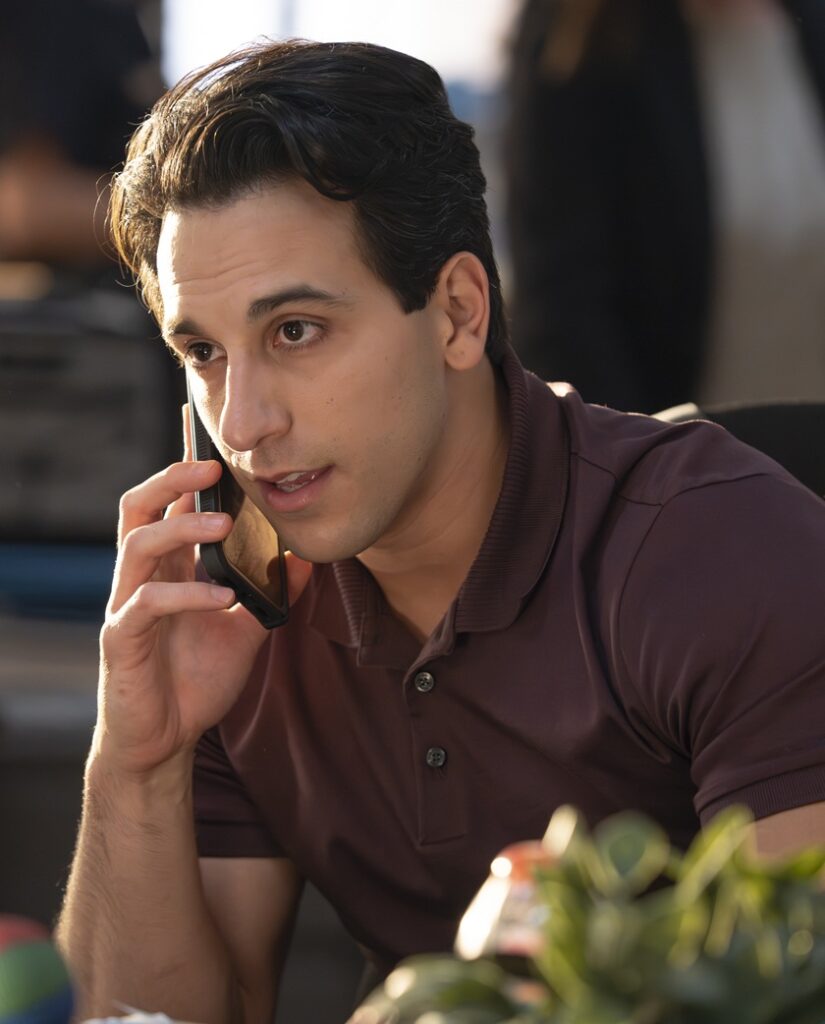
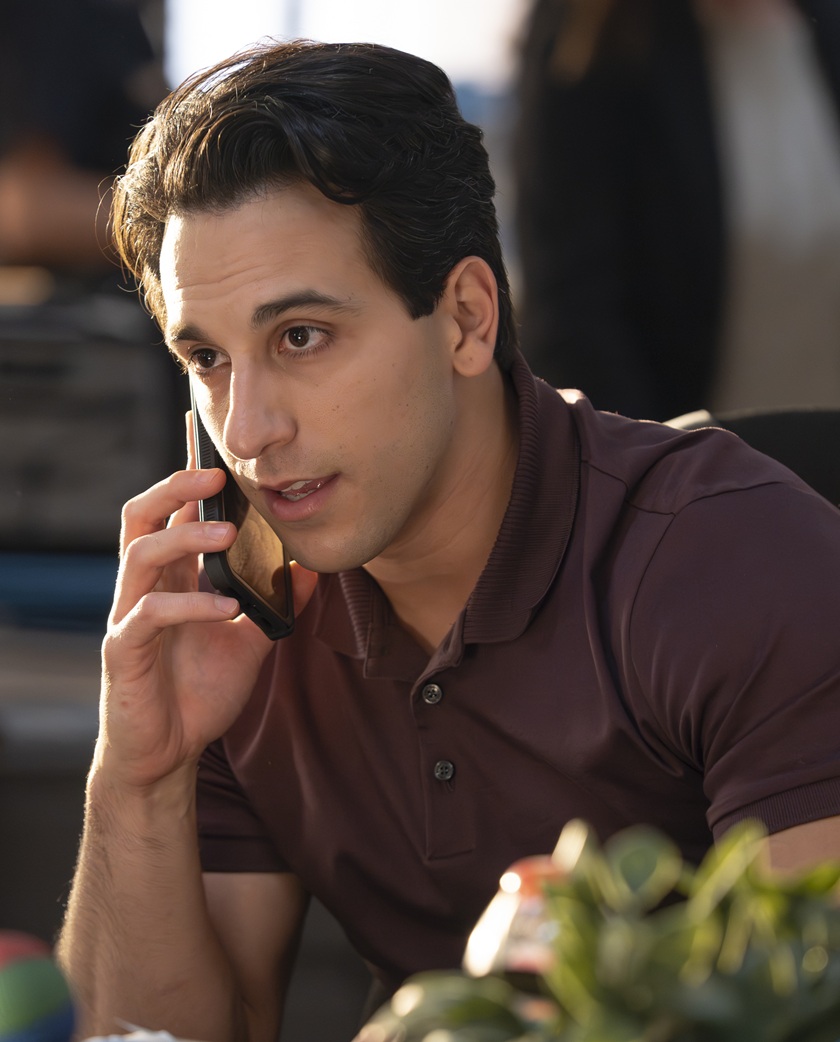
We got to meet his mother and learn about the man who raised him, and it was a special moment to explore his dynamic with Soto.
We cling to these crumbs simply because there’s finally something substantial for the character, but they’re still just crumbs.
Daphne is another character about whom we still know very little outside her work life. She, too, gets lost in the shuffle as High Potential centers Morgan and Karadec so heavily, and even found new ways to expand on Soto further this season.
High Potential is a series that could easily have a quality similar to Will Trent, leaning into its found-family element and taking full advantage of its ensemble. It even has fewer characters to work with, which could make this easier.
But despite how great the series is and the bright spots in the sophomore season—especially the deepening bond between Morgan and Karadec and revealing more of Morgan in captivating ways—sidelining genuinely great characters like Daphne and Oz remains a weak spot.
Like Brilliant Minds, one of the frustrations with Chicago Fire has been the loss of characters who felt like they had all the potential in the world, only to be replaced by newer characters who take a while to warm to.
Chicago Fire has many characters, and it rotates among them fairly often.
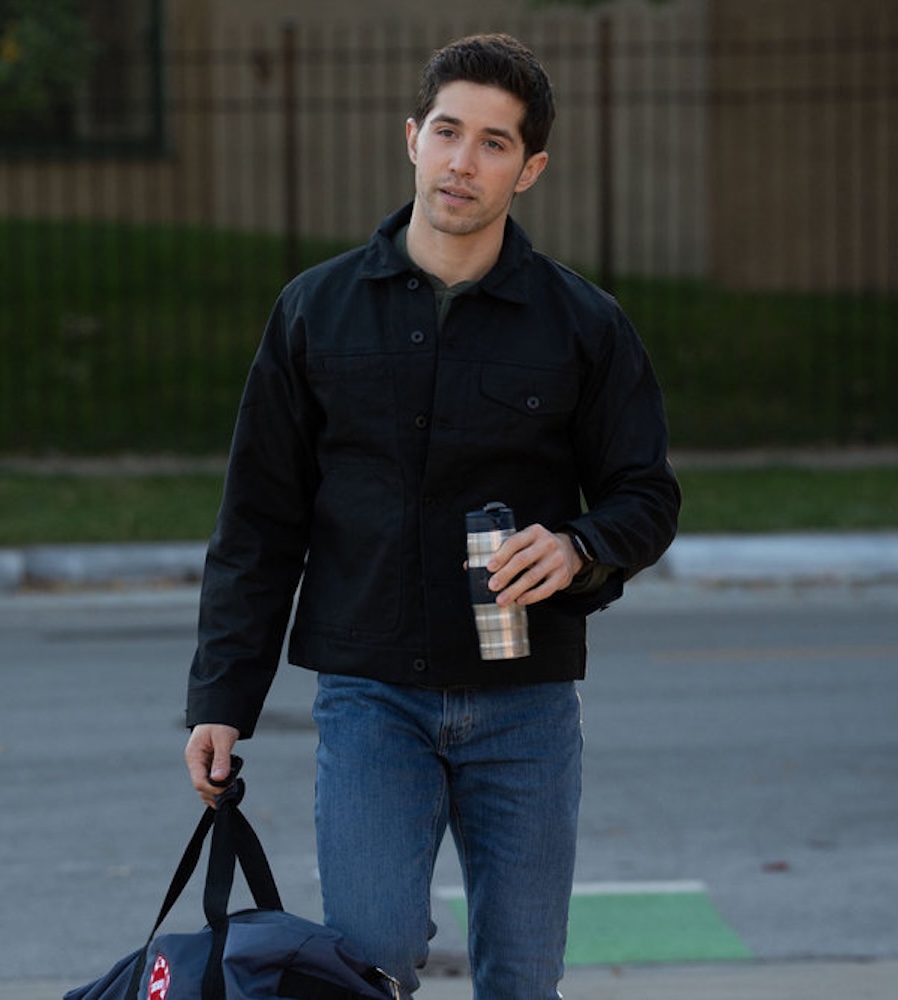
But where it factors into this discussion is how Chicago Fire Season 14 has spent so much time on a newer character like Vasquez, even at the expense of other established characters and storylines.
By focusing so much on one character, the others are pushed to the background and left without substantial storylines or narrative continuity.
It’s difficult to follow the season’s plot points, and chances to deepen or expand characters like Violet, Cruz, or Novak fade as they remain in supporting roles for others’ stories.
Doc is a series with a strong ensemble cast, but they often feel like supporting characters to whatever plot directly affects Amy the most.
The sophomore season has been ambitious, and in many ways, it has truly been a great way to build on the series and everything it established before.
A prime example, like Brilliant Minds, is the introduction of Hannah. Her addition as a new source of conflict for the lead sidelined established characters and launched a drawn-out revenge arc that left many viewers frustrated.
Focusing so much on this element of Amy’s past that haunts her and ruins her present life pulled us further away from Amy, still learning how to navigate some of the other dynamics in her life.
And by introducing new dynamics for Amy, as with Joan, we had less time to actually pour into the ones Doc Season 1 had already established but hadn’t yet dug into, like Amy and Gina.
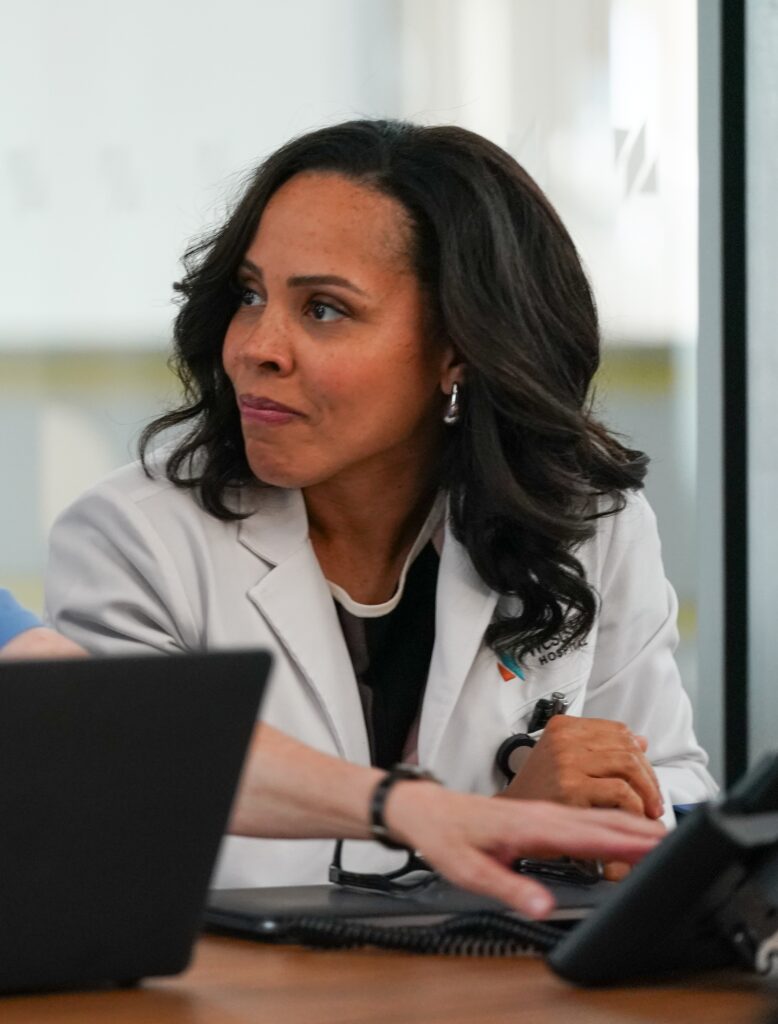
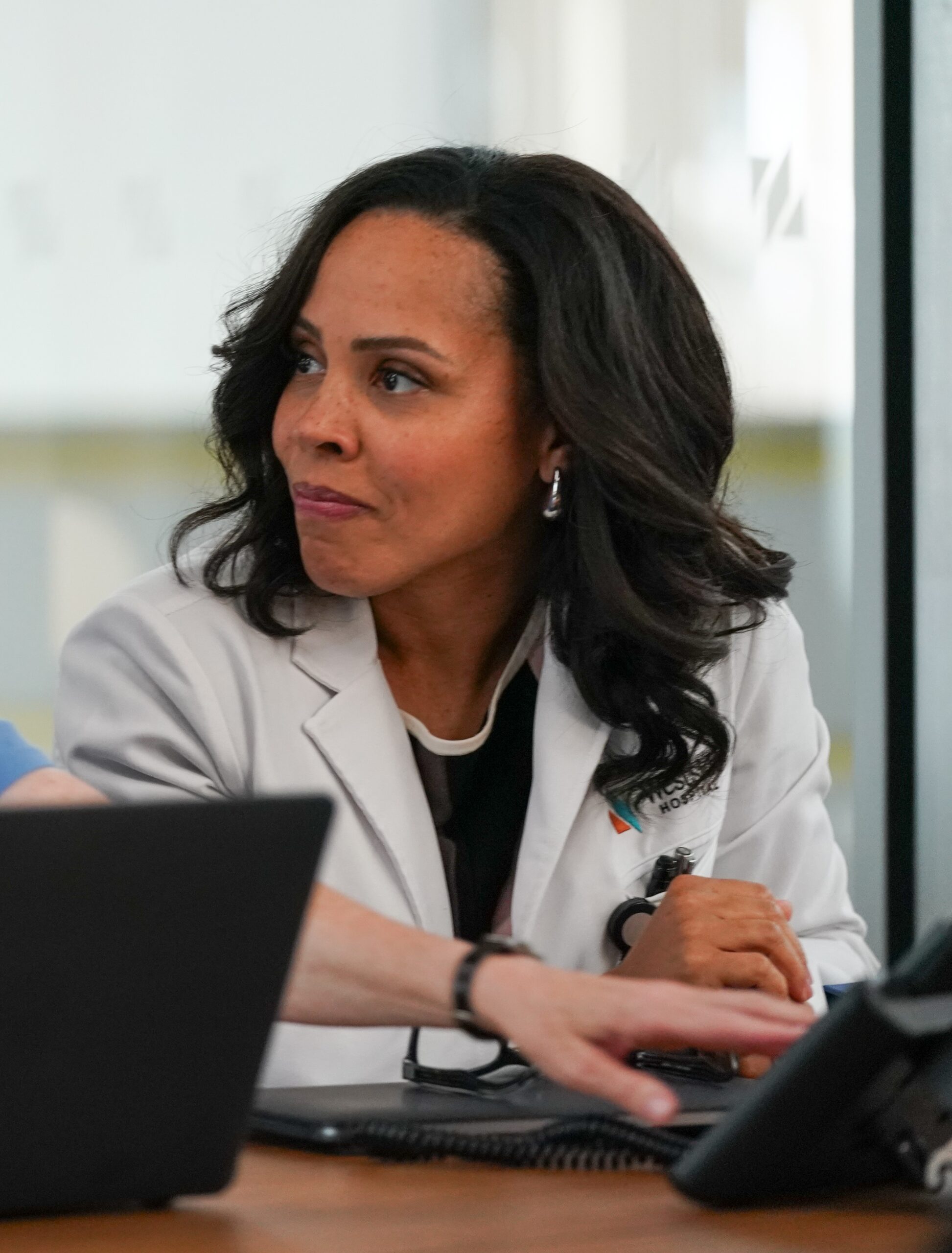
One concern about Joan’s addition to the series, especially given her importance to Amy as a mentor, was that it would require us to see more of how that dynamic plays out on screen.
This emphasis also meant we never explored the established friendship between Amy and Gina.
The sophomore season started off with a minor conflict of Gina feeling as if Amy didn’t support her as much as she did Amy, and it’s a storyline that sort of peters out.
While the first season introduced us to these great characters and how they factored into Amy’s life, a super-sized Doc Season 2 should’ve granted us the opportunity to really expand on these characters more, not just in extension to Amy, but all on their own.
But with the addition of characters like Joan and Hannah, the season still shifted the focus and sidelined much of the ensemble.
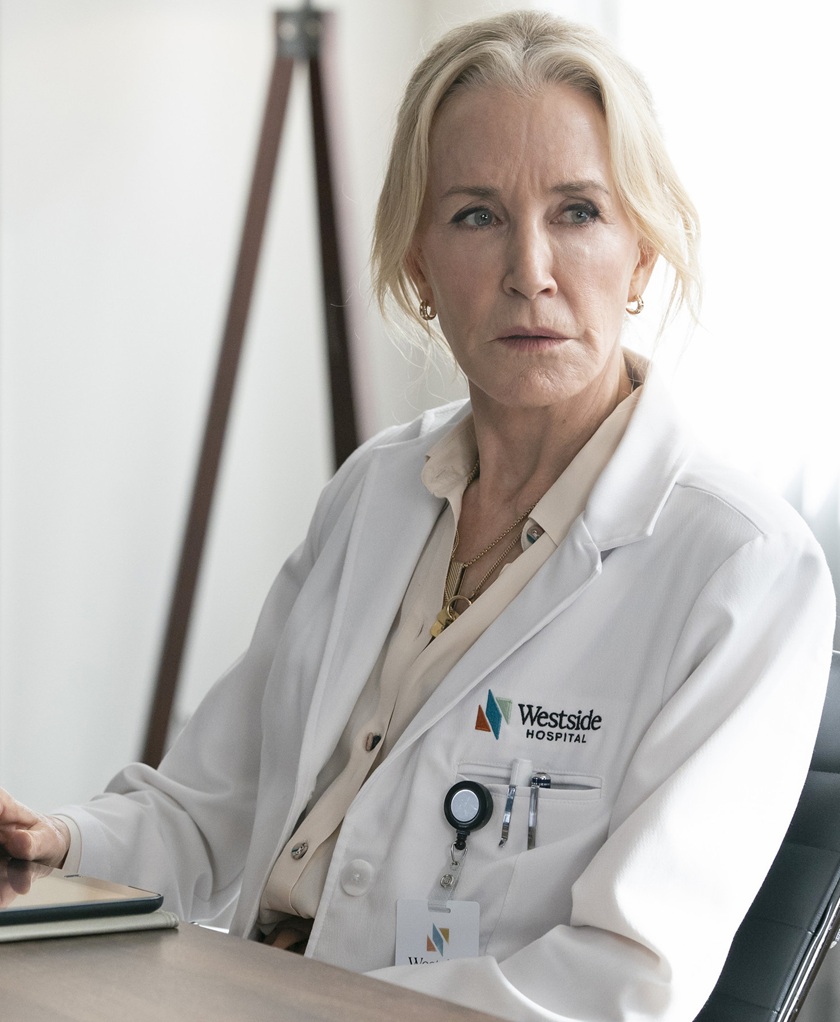
We’re beyond the halfway point of the second season, and while it’s been prime viewing, like High Potential, there’s still a sense that we don’t know much more about many of Doc‘s supporting characters than we did the first time around.
And the most fascinating thing about that is that, technically, Gina, Sonya, Jake, TJ, and even Julie have, by now, all gotten at least a single episode to focus more on them.
Despite some moments of focus, genuine character development is limited, as most remain defined by their interactions with Amy.
They’re likable, at least some of them, but still unknowable, as the exciting plot points sometimes flat-out distract us from the lack of character depth and development. It’s just simply something the series has to work on.


Meanwhile, a show like 9-1-1: Nashville is only in its first season, but it could potentially suffer a similar fate.
The franchise thrives on its ensemble cast, featuring a collection of diverse and fascinating characters with rich dynamics that we love to explore.
But 9-1-1: Nashville has an ensemble, but it’s light on actual ensemble vibes because supporting characters who aren’t directly part of the Hart family can often feel like window dressing or background figures—casual observers of the primary characters’ lives.
It’s taken until very recently for us to even spend much time with characters like Taylor and Roxie, let alone for them to actually carry a plot or two.
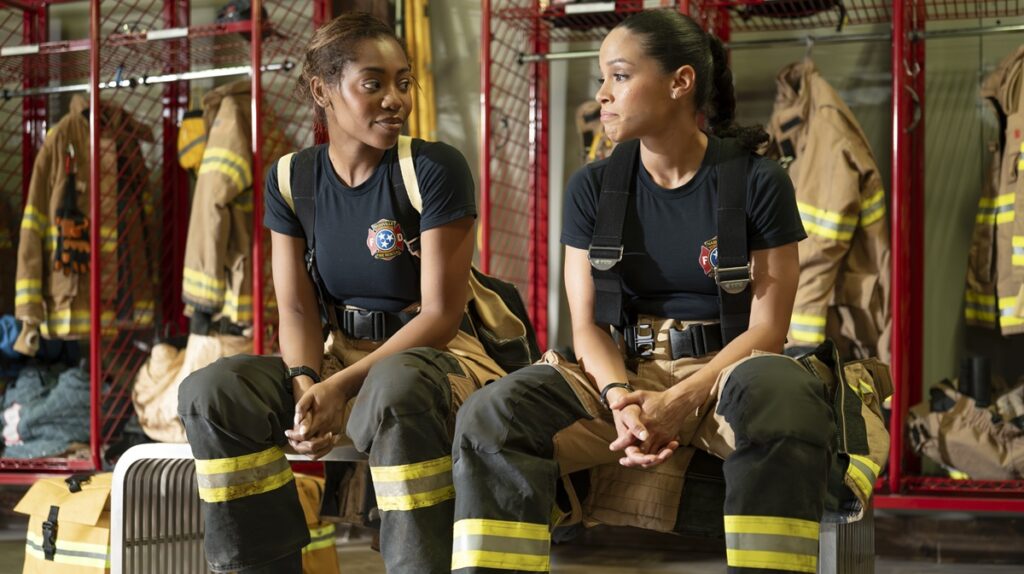
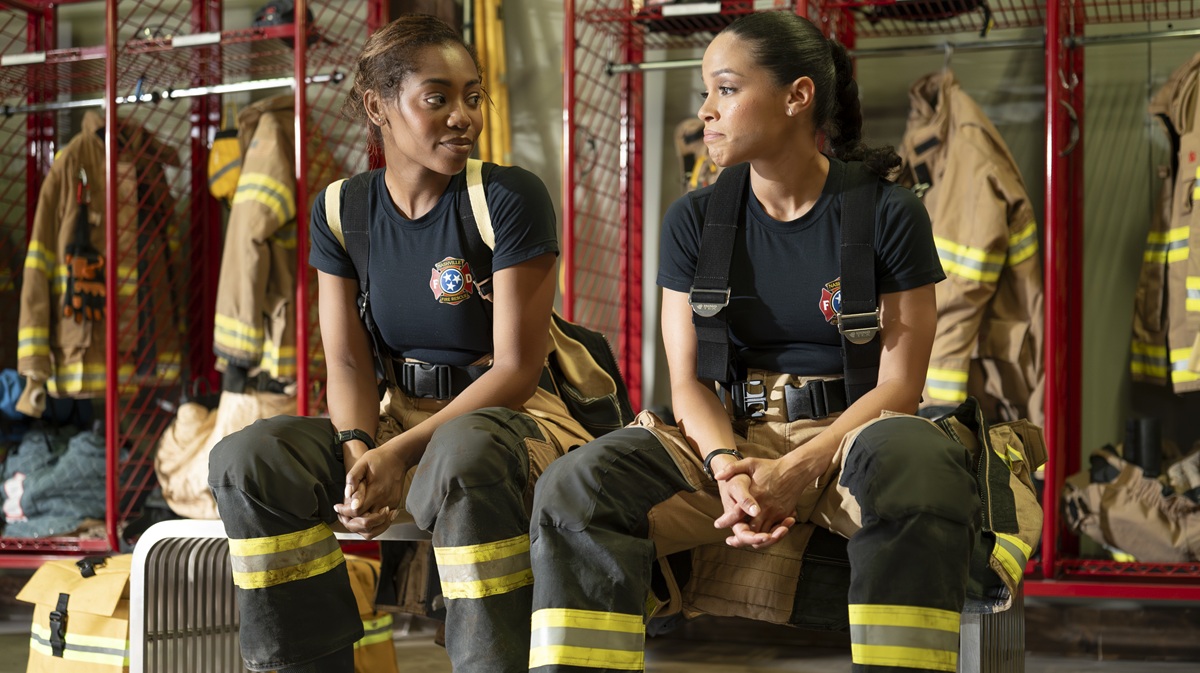
And for a series that positions itself as a strong ensemble show, it can only truly live up to that if they don’t sideline half of that ensemble in the first place.
We’re deep within the Hart family lore, with so much soapy family content that it feels more like Dallas than a first-responder show.
But when it comes to many of the other characters, we have barely scratched the surface.
It’s still early yet; after all, it’s a show in its first season, spending much of that laying its foundation, but it already risks falling into a similar trap of sidelining supporting characters in favor of the newest, shiniest one for conflict or entertaining plot points.
None of this is to say these shows aren’t great watches on their own or that they don’t keep us glued to the screen every week.
But can we break the curse of sidelining? It’s been hard out here for supporting characters and their fans.
Let’s keep the conversation going — it’s the only way the good stuff survives.
Say something in the comments, share if you’re moved to, and keep reading. Independent voices need readers like you.
-
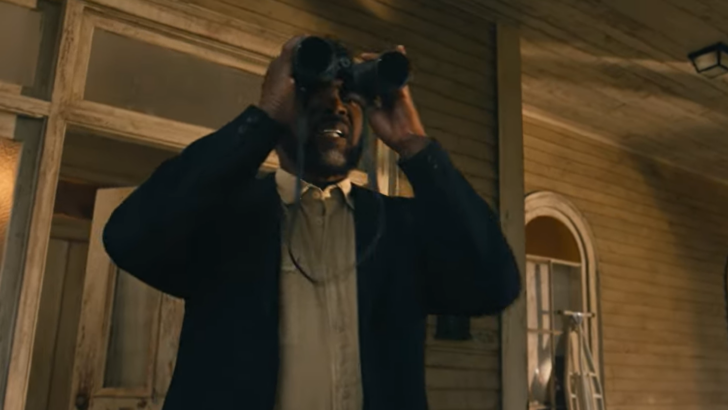
FROM is back! FROM is back! The hit MGM+ series has released a teaser and a premiere date, and we have all the information right here!
-
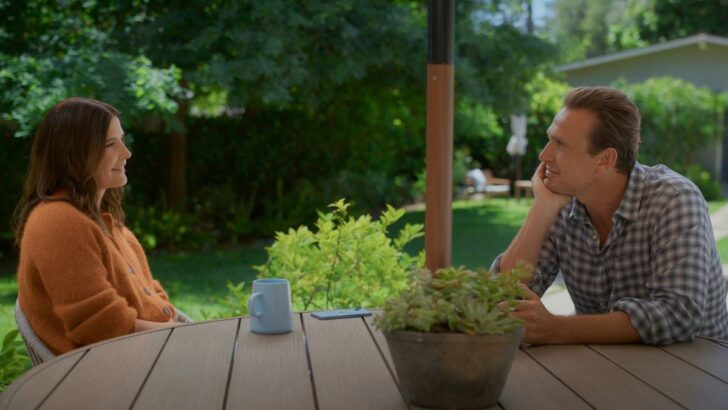
On Shrinking, “Happiness Mission,” hard truths kick Louis & Derek in their respective butts. We review how stinkin’ cute Jimmy & Sofi are.
-
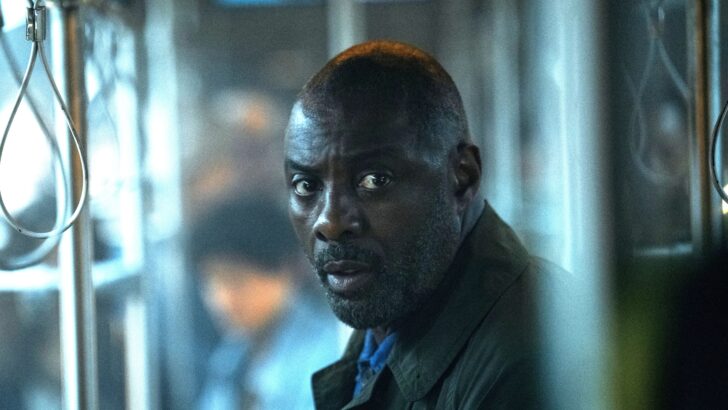
In Hijack Season 2 Episode 4, Sam smokes the mole out and get an encrypted video file to the authorities. That doesn’t stop the episode from slipping into dull territory.
-
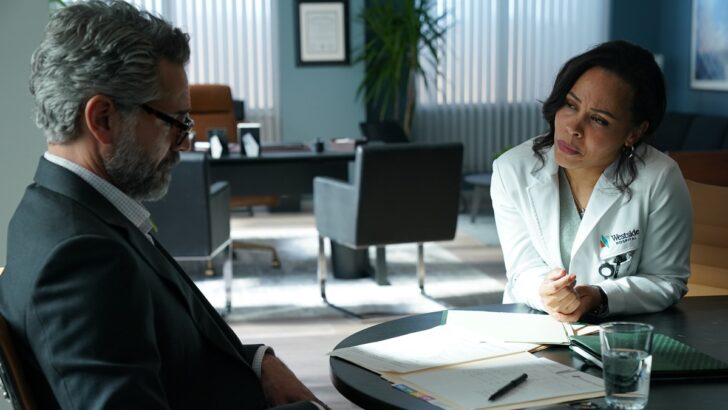
Julie’s health scare sparks romance for her and her colleagues on Doc Season 2 Episode 14, while Michael’s descent reaches new lows.
-
At the Apple TV Press Day today, the streamer revealed a stunning new lineup of movies and TV that promises something for everyone.
TV Fanatic is searching for passionate contributors to share their voices across various article types. Think you have what it takes to be a TV Fanatic? Click here for more information and next steps.