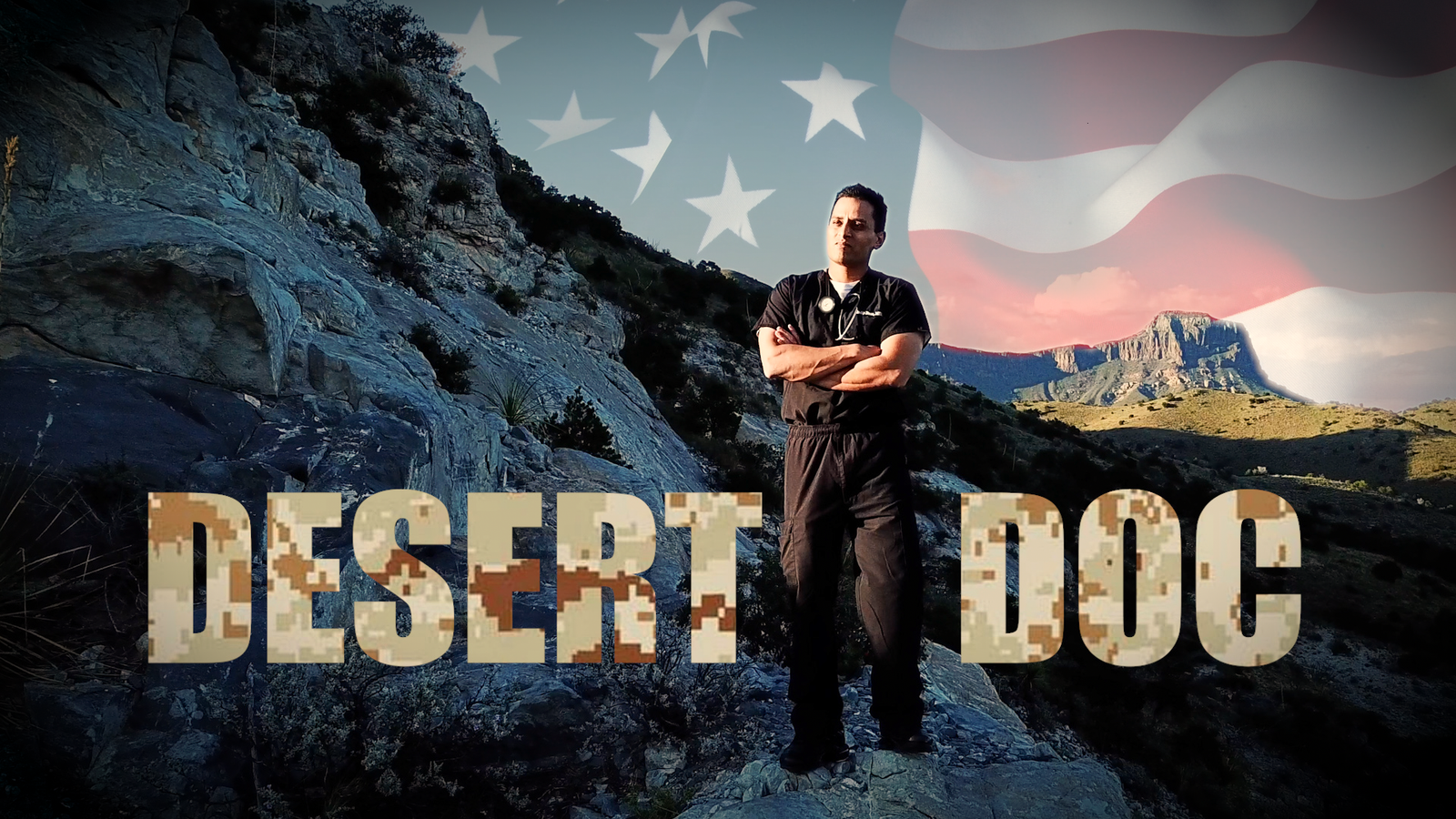
“Desert Doc” isn’t your typical medical drama. There are no polished scripts, no staged emotions, and no actors playing doctors under perfect lighting. Instead, the show delivers unfiltered, real-life emergency medicine as it happens, capturing the raw intensity of life-and-death moments in some of the most challenging environments. Led by Dr. Sudip Bose, a combat veteran and frontline ER physician, “Desert Doc” immerses viewers in the high-stakes world of emergency care, where every second counts and every decision can mean the difference between life and death.

What sets “Desert Doc” apart from traditional medical dramas is its commitment to authenticity. Unlike scripted shows that rely on exaggerated scenarios and dramatic monologues, “Desert Doc” follows Dr. Bose as he navigates real medical emergencies in the deserts and oil fields of West Texas. The unpredictability of emergency medicine is on full display, from traumatic injuries to heart-stopping resuscitations, all captured as they unfold. There are no second takes, no special effects—just the raw reality of saving lives. Dr. Bose is a double board-certified emergency physician and West Texas EMS Medical Director, where he orchestrates the emergency response for ambulances, firefighters, and SWAT during natural disasters, pandemics, and mass casualty incidents in the largest geographical coverage area of any health system in the U.S.
Dr. Bose’s unique background as a military physician adds another layer of depth to the series. He served one of the longest continuous combat tours by a military doctor since World War II, earning the Bronze Star for his service and treating Saddam Hussein after his capture. His experience under battlefield conditions translates seamlessly to the fast-paced, high-pressure world of the ER. “In both war and emergency medicine, you have to make life-or-death decisions under extreme stress,” Dr. Bose explains. “There’s no room for hesitation.”

One case featured in the series involved a young oil field worker who suffered severe burns from a gas explosion. With no nearby hospital equipped for such trauma, Dr. Bose had to stabilize him on-site, ensuring his airways remained open while preparing him for an emergency airlift. Another episode followed a mother who rushed into the ER with her unconscious child, only to discover the child had ingested a toxic chemical. These are real stories, real stakes—no Hollywood embellishments.

Audiences today are increasingly drawn to content that feels genuine. Reality TV, docuseries, and raw, unscripted storytelling have gained traction as viewers seek authenticity over dramatization. “Desert Doc” taps into this trend, offering an inside look at a world that few get to see firsthand. It’s not just about the medicine; it’s about the resilience of the human spirit, the courage of medical professionals, and the unpredictable nature of life itself.
Beyond the gripping medical cases, “Desert Doc” also sheds light on the challenges of providing emergency care in remote locations. The medical team often operates with limited resources, making split-second decisions that could mean survival or tragedy. These challenges mirror those faced by combat medics, reinforcing the connection between Dr. Bose’s military background and his civilian medical work.

For viewers looking for something more than a scripted drama, “Desert Doc” offers a raw, unfiltered glimpse into real emergency medicine. It’s a show that doesn’t just entertain—it educates, inspires, and reminds us of the fragility of life. Now streaming on Amazon Prime Video, “Desert Doc” is a must-watch for anyone who values authenticity in storytelling.