

























![Outlander's [Spoiler] Dies In Brutal Episode 2 Attack — Read Recap](https://www.tvline.com/img/gallery/outlanders-spoiler-dies-in-brutal-episode-2-attack-read-recap/l-intro-1773408115.jpg "Outlander's [Spoiler] Dies In Brutal Episode 2 Attack — Read Recap")














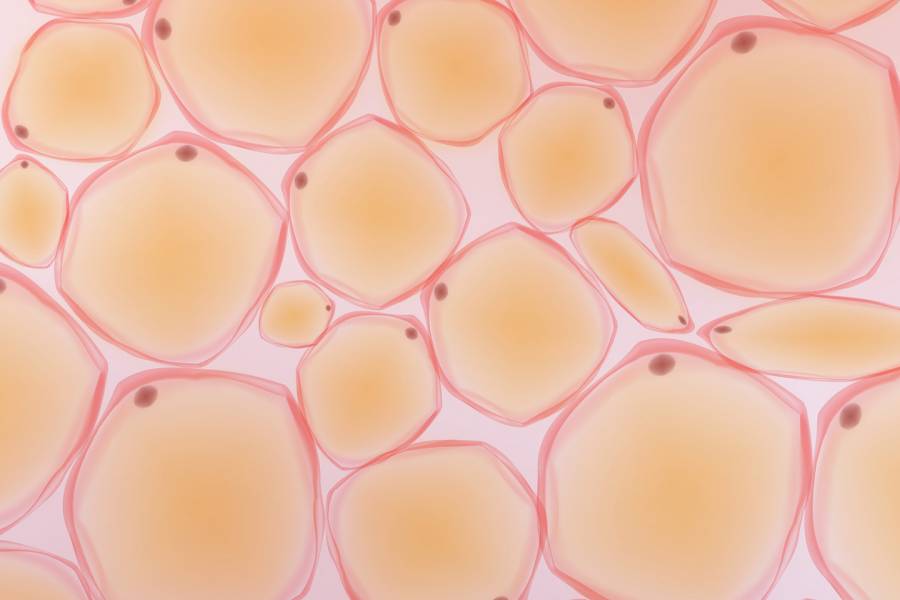
Your cells are constantly making a choice: store energy or burn it as heat. Mitochondria, the microscopic power plants inside every cell, manage this balance by maintaining what amounts to a chemical dam. When that dam works perfectly, nutrients get converted into ATP, the fuel for nearly everything your body does. When it leaks, energy escapes as warmth instead.
For nearly a century, researchers have tried to exploit that leak for weight loss. The results have ranged from disappointing to deadly. Now, chemists at the University of Technology Sydney have identified exactly what separates a safe metabolic nudge from a catastrophic meltdown.
In work published this month in Chemical Science, the team describes a new class of molecules called arylamides that can gently increase how much fuel cells burn without shutting down their energy production. The difference comes down to speed. By slowing the rate at which protons cross mitochondrial membranes, these compounds avoid the runaway heating that killed users of earlier drugs like 2,4-dinitrophenol (DNP) in the 1930s.
The Architecture of a Controlled Leak
Mitochondria generate ATP by pumping protons across an inner membrane, creating a gradient similar to water behind a dam. Molecules called uncouplers let those protons leak back without producing ATP, forcing cells to burn more glucose and fat to compensate. The problem has always been control. Too much leakage collapses the system entirely.
Rawling’s group synthesized variations of fatty acid-based molecules, each with subtle differences in where chemical groups attached to an aromatic ring. When they tested these compounds in human breast cancer cells, a pattern emerged. Molecules with a specific 3,4-disubstituted structure increased oxygen consumption and partially lowered the mitochondrial voltage but left ATP levels intact. Variants with groups in the 3,5-positions behaved like full uncouplers, cratering energy production.
The team then measured proton transport rates directly using artificial membrane vesicles filled with pH-sensitive dyes. The safer compounds moved protons significantly slower. Computational modeling suggested why: the 3,4-substitution pattern made it harder for molecules to form stable pairs, or dimers, within the membrane. Since these molecules need to pair up to shuttle protons across the oily barrier, that structural quirk created a natural bottleneck.
“This is the first demonstration that proton transport rate itself is a key determinant of mild versus full uncoupling,” the authors write.
By tuning molecular architecture to slow proton flow, chemists can now adjust mitochondrial activity with precision rather than guesswork. It is a mechanistic roadmap the field has lacked for decades.
Beyond Weight Loss
The implications extend past obesity treatments. Mild uncoupling has been linked in experimental models to reduced oxidative stress, improved metabolic markers, and protection against neurodegeneration. Because these new arylamides do not kill cells or eliminate ATP production, they might be candidates for chronic use, assuming they clear the many hurdles between laboratory and clinic.
No animals or humans were treated in this study. Questions about long-term safety, tissue-specific effects, and optimal dosing remain unanswered. Still, the work provides something earlier uncoupler research could not: a structural principle for designing molecules that burn calories without incinerating the patient.
The cellular furnace can finally be turned up without melting everything inside.
Journal: Chemical Science
DOI: 10.1039/D5SC06530E
If our reporting has informed or inspired you, please consider making a donation. Every contribution, no matter the size, empowers us to continue delivering accurate, engaging, and trustworthy science and medical news. Independent journalism requires time, effort, and resources—your support ensures we can keep uncovering the stories that matter most to you.
Join us in making knowledge accessible and impactful. Thank you for standing with us!