
























Those scholarly folks at TCM have done it again.
The network has unveiled its latest franchise, “Films on Film,” which will feature a documentary followed by a selection of movies that gives viewers an opportunity to delve deeper into and further appreciate the subject. (Check out the promo here.)
Hosted by Ben Mankiewicz and running on Fridays starting at 5 p.m. PT, “Films on Film” kicks off with the broadcast premiere of Charles Grodin: Rebel With a Cause (2025), a portrait of the deliciously droll actor.
That will be followed by screenings of four of his movies: Martin Brest’s Midnight Run (1988), Aram Avakian’s 11 Harrowhouse (1974) — from a screenplay written by the actor — Jay Sandrich’s Seems Like Old Times (1980) and Gene Wilder’s The Woman in Red (1984).
On Sept. 11, TCM presents Ennio (2021), a doc celebrating Oscar-winning Italian composer Ennio Morricone from Cinema Paradiso director and countryman Giuseppe Tornatore. That sets up Sergio Leone’s A Fistful of Dollars (1964), Sergio Corbucci’s The Great Silence (1968), Roland Joffé’s The Mission (1986) and Gillo Pontecorvo’s The Battle of Algiers (1966).
Coinciding with Hispanic Heritage Month, Sept. 18 starts with the broadcast bow of Beyond the Border: Latino Representation in Hollywood (2026), presented with film historian Luis Reyes. That’s followed by Gregory Nava’s Mi Familia (1995) and George Stevens’ Giant (1956).
The month concludes Sept. 25 with The Tramp and the Dictator (2002), an examination of how comedy confronted fascism during World War II. That doc, co-directed by Kevin Brownlow and Michael Kloft and narrated by Kenneth Branagh, precedes Charlie Chaplin’s The Great Dictator (1940), Ernst Lubitsch’s To Be or Not to Be (1942), Mel Brooks’ The Producers (1967), Leo McCarey’s Once Upon a Honeymoon (1942) and Jerry Lewis’ Which Way to the Front? (1970).
Friday nights in October will feature the documentaries Lon Chaney: A Thousand Faces (2000), Boorman and the Devil (2025), Becoming Hitchcock: The Legacy of Blackmail (2024), Carl Laemmle (2019) — about Expressionism in Hollywood — and Vincent Price: What Keeps Us Alive (2026), followed by films including He Who Gets Slapped (1924), Point Blank (1967), North by Northwest (1959), The Invisible Man (1933) and The Fly (1958).

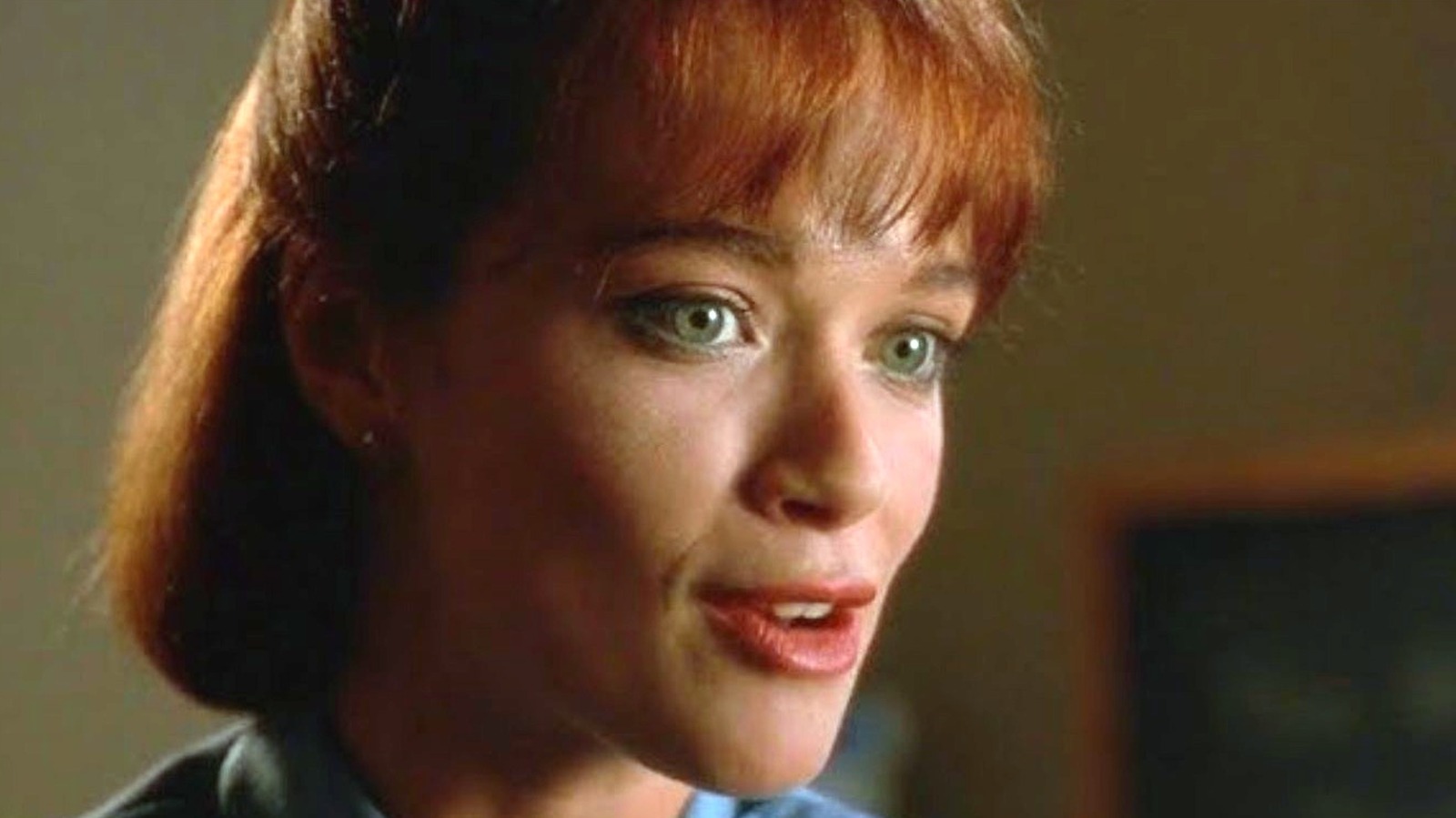
Angie Dickinson with Lee Marvin in 1967’s Point Blank, directed by John Boorman.
Courtesy Everett Collection
In an interview with The Hollywood Reporter, TCM senior vp programming Charlie Tabesh said he heard last year from “someone who works with Steven Spielberg that thought we should do some kind of franchise about the making of films.
“I’ve come across some great documentaries over the years, and it makes a lot of sense. They might get lost if we just play them here and there; it’s nice to have a regular franchise where people know when they are going to be on.
“It’s been really fun for me to dig in — I’ve been watching a ton of them — and putting [related] films around them. It’s also a good excuse to play movies that are lesser known that people can discover.”
TCM screened documentaries on weekend mornings under a “Films on Film” umbrella about 20 years ago, Tabesh noted. This franchise will run “indefinitely,” he added.
With this and other initiatives like 2024’s Making Change: The Most Significant Political Films of All Time, TCM is cementing its place as a venerable history class for viewers. “People often tell us how we get them through hard times, but we’re also proud to educate people, that’s definitely part of our mission,” Tabesh said.