

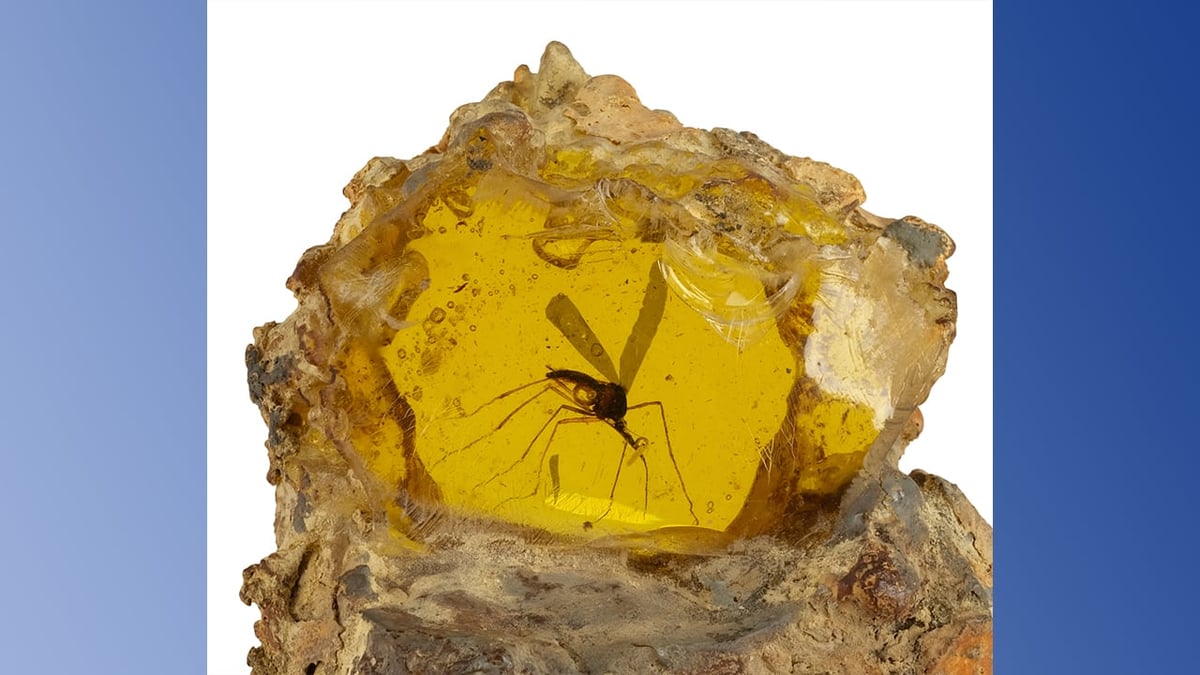

















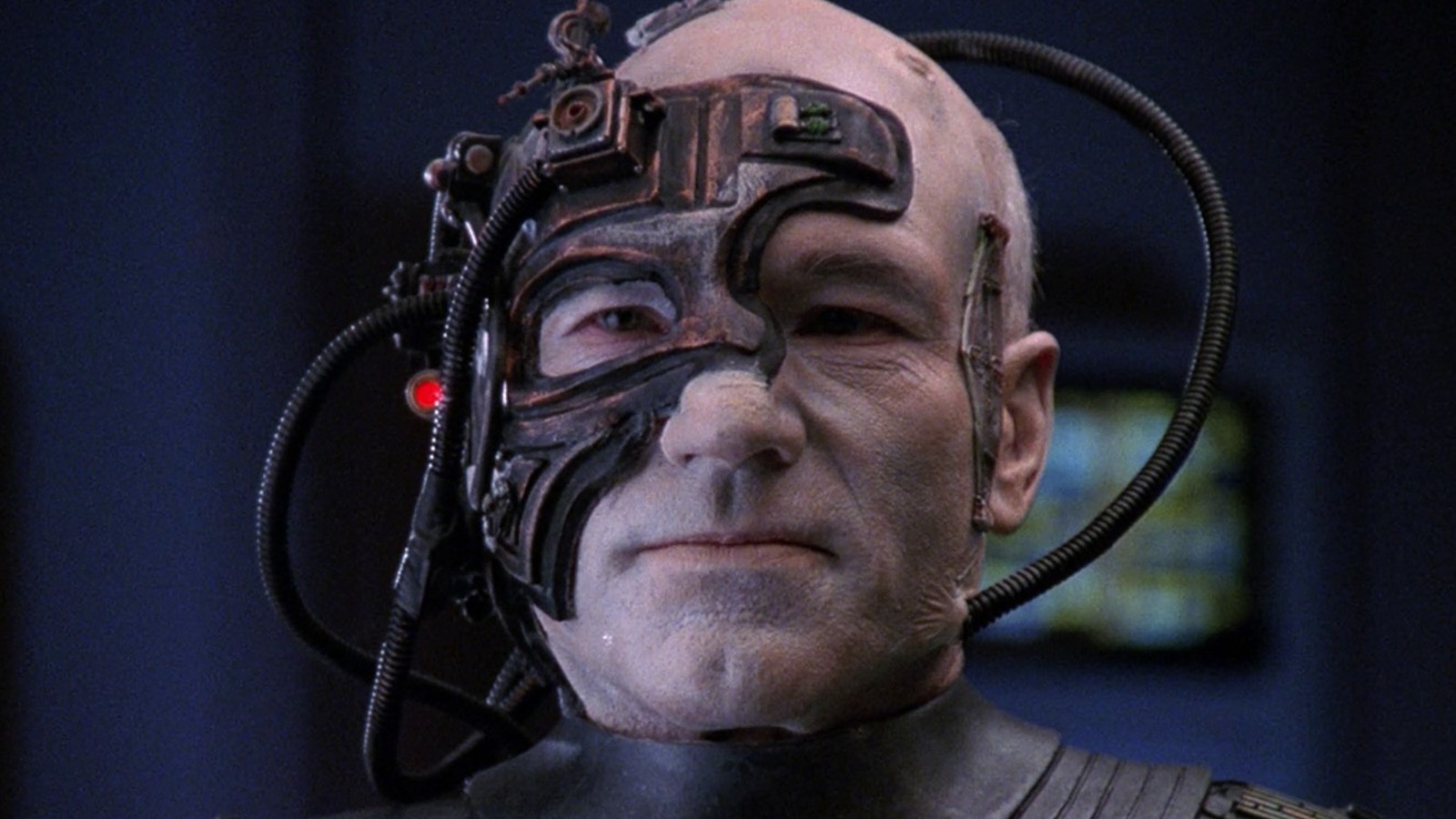










For both the McKenna brothers, ethnobotanist Terence and ethnopharmacologist Dennis, and for anyone else with the courage and respiratory fortitude to hold a couple of lungfuls of its vapor in their lungs, DMT was no longer a secret. It was the secret.
And the secret was out. By the mid-1960s, dozens of circles, sects, brotherhoods and sisterhoods centered on the newly discovered mind-expanding medicines that had emerged, with Timothy Leary’s League for Spiritual Discovery, founded at Millbrook, being the largest and most influential. However, while these sects primarily focused on LSD and Psilocybe mushrooms as quasi-religious tools for spiritual transcendence, following the publication of Leary’s earliest experiences with the drug, it wasn’t long before DMT was also elevated to sacramental status.
Also founded at Millbrook by psychologist-turned-psychedelic-activist Arthur Kleps, the much smaller sect, the Neo-American Church, produced and distributed a small booklet, The Psychedelic Guide to Preparation of the Eucharist in a Few of its Many Guises, which provided detailed—and highly technical— procedures for the chemical synthesis of a range of psychedelic molecules, including LSD, psilocybin, mescaline, and DMT.
Although this likely inspired some clandestine chemists to begin adding DMT to their product line, there was little incentive for them to divert their resources from an already wildly popular and extraordinarily potent lysergic acid derivative yielding ten thousand doses per gram to one that yielded barely three dozen. Despite Nick Sand’s breakthrough discovery that DMT could be smoked (or, more correctly, vaporized), there was no way it could compete with LSD, and it remained relatively rare on the underground drug market.
And even armed with the Neo-American Church’s guidebook, anyone but the most serious of chemists attempting to make it for themselves would likely have struggled to execute the fairly advanced chemistry required to complete the synthesis, even if they were able to obtain the requisite chemical precursors.
While these sects primarily focused on LSD and Psilocybe mushrooms as quasi-religious tools for spiritual transcendence, following the publication of Leary’s earliest experiences with the drug, it wasn’t long before DMT was also elevated to sacramental status.
So, while more and more people were beginning to hear about this extraordinary new psychedelic, very few actually had the opportunity to try it for themselves, and if “the secret” was to spread beyond the small clutch of committed psychedelic enthusiasts with a penchant for the more exotic members of this drug class, together with the necessary connections to procure it, it would need another little push.
This would eventually come, not from the clandestine chemists of West Coast America, however, but from the ethnobotanists working deep in the rain forests of South America. Likely entirely ignorant of the strange elfin creatures bouncing around the brains of the McKenna brothers and Leary’s acolytes, the ethnobotanists were still arguing among themselves about the jungle technology that, partly thanks to Hochstein and Paradies’s controversial “Prestonia amazonicum” paper, had by then become most closely associated with DMT: ayahuasca.
Despite the impact of Stephen Szára’s discovery of the uniquely visionary properties of DMT, coupled with Hochstein and Paradies’ isolation of the alkaloid from a key plant component of the brew, many scientists remained unconvinced that DMT had anything to do with ayahuasca. Firstly, Richard Schultes had been quite vocal in expressing his doubts over the identity of the plant extract obtained by Hochstein. And secondly, it was by then perfectly well known that DMT was completely inactive when consumed orally, so it made little sense that it would form the central psychoactive component of a visionary drink.
But then again, it seemed to stretch credulity that Hochstein might have received a plant extract that, while having no psychoactive role in the ayahuasca brew, just happened to contain high concentrations of a powerful visionary alkaloid. It made little sense, and making it make sense was no simple business.
Rather than a single standard ayahuasca recipe to analyze and deconstruct, ethnobotanists were faced with a plethora of different variants of the potion complicated by a gamut of admixture plants. Almost a hundred different species from around three dozen plant families have been documented being added to the ayahuasca decoction alongside the caapi vine.
The Siona people of the Putumayo in Colombia recognized at least seventeen varieties of the ayahuasca brew, and the Barasana people of the Rio Piraparana boasted no less than thirty distinct variations, each with its own name and admixture plant components. And to complicate matters even further, since each admixture plant often went by several different names depending on a particular Indigenous group, their location, and the local tongue, even formally identifying each plant in a particular ayahuasca recipe was a formidable task, let alone delineating its role—if any—in the brew’s psychoactive effects.
Although more than a century had passed since Richard Spruce first tasted the ayahuasca potion on the banks of the Rio Vaupes, and despite the remarkable progress made in deconstructing the alkaloid composition of the caapi vine, everyone seemed as confused as ever, prompting Schultes to lament: “Here we are still standing on the threshold with one hand on the knob of a door just set ajar, not yet opened.”
That door was finally kicked off its hinges when ethnobotanist Homer Pinkley, a graduate student of Richard Schultes, arrived in the small village of Dureno, Ecuador—home of the Kofan people and some of the greatest ayahuasca artists in South America. William Burroughs had previously described what he referred to as the “Kofan method” of ayahuasca preparation that required the leaves of a secret second plant essential for the full visionary effects.
During his work with the Kofan, Pinkley also caught wind of an additional plant added along with the caapi vine that allowed drinkers of the decoction to see beings known as oprito, meaning “small heavenly people.” A plant that allowed you to see little people—surely this must have been a clue?
One evening in the spring of 1966, following the death of a tribal chief, a group of around twenty Kofan men and boys gathered in the ceremonial house to perform an ayahuasca ceremony. Pinkley was permitted to join them. The following morning, hoping to uncover evidence of this secret admixture plant, he fished around in the empty cauldron used to prepare the brew.
He was in luck: A few leaves and seeds somehow managed to escape the hours of ferocious boiling intact—just about sufficient to make a formal identification. Latin name: Psychotria viridis, more commonly known as chacruna, but known to the Kofan as oprito—the same name given to the small heavenly people whom these magical leaves made visible.
Coincidentally, during the summer of the same year, American anthropologist Kenneth Kensinger was collecting plant specimens used in the production of ayahuasca in the village of Balta, on the Rio Curanja in Peru. Among the samples collected was the plant Pinkley had, just a few weeks earlier, identified across the border in Ecuador, Psychotria viridis, which was shipped to pharmaceutical chemist Ara Marderosian at the Philadelphia College of Pharmacy and Science for analysis.
After decades of confusion, speculation, and debate among the greatest minds in ethnobotany, the elusive secret admixture plant of the ayahuasca potion had finally been identified. And like the yopo and epena snuffs, its power derived from a simple molecule. Marderosian’s analysis revealed only one major alkaloid component: DMT.
Although Homer Pinkley is usually given the credit for this monumental discovery—that Psychotria viridis, chacruna, was the elusive missing but essential component of the ayahuasca decoction—it turns out that, in all fairness, someone else got there first.
When William Burroughs was let into the “trade secret” by the medicine man Saboya in Pucallpa, Peru, on returning to Mexico City in 1954, he wrote to Richard Schultes to announce his discovery, enclosing a few of the leaves he’d pocketed:
Dear Dick, I enclose sample of leaves used in preparation of Yage-Ayauska there-by Peru Indians. They boil the macerated vine with a large portion of these leaves for two hours. Yagé prepared in this way is a great deal more powerful and quite different in effect from yagé prepared in the same manner alone or from a cold infusion.
To Burroughs’s disappointment, Schultes never replied and it seems didn’t bother to examine or attempt to identify the leaves. However, almost twenty years later, upon hearing of his student’s discovery of chacruna, he finally decided to look over the specimens.
Burroughs’ Peruvian botanist friend had identified the plant as a species from the Palicourea genus of the Rubiaceae family. He had made an error: Although the plant was indeed from the Rubiaceae family, it wasn’t a species of Palicourea—it was, in fact, a species of Psychotria. Specifically, Psychotria viridis—precisely the same plant that would be collected and identified by Homer Pinkley as the key DMT-containing ayahuasca admixture plant more than sixteen years later.
Burroughs had been right all along—there was an additional component in the ayahuasca brew necessary for the full visionary effects. It was an alkaloid. It was the gateway to the soulless place of The Insect People. It was his nightmare hallucinogen.
Not only did Schultes fail to recognize the importance of Burroughs’s discovery in 1954, twelve years prior, in 1942, he’d also come across another plant that held the same secret. Chacruna is mainly used in Amazonian Peru, parts of Ecuador, and Brazil, but in other parts of Amazonian Ecuador and in Colombia, the natives use a different “secret” admixture plant.
While working among the Ingano people in Puerto Limón in 1942, a settlement in the Putumayo region of Colombia—where William Burroughs first obtained the caapi vine—Schultes was informed that the ayahuasca potion could be enhanced by the addition of the bark of another vine closely related to Banisteriopsis caapi, which he identified as Banisteropsis rusbyana, and known to the natives as chacropanga. So, in the spirit of scientific enquiry, Schultes decided to test this claim.
One night he tried the potion prepared with the caapi vine alone and then, a few nights later, with the addition of chacropanga. With the first caapi-only preparation, he experienced “slow undulating waves of color,” but with the addition of chacropanga, the effect was “electric”—”reds and golds dazzling in diamonds that turned like dancers on the tips of distant highways.”
Since chacropanga was so closely related to the caapi vine, it was plausible that it too contained harmala alkaloids that provided an additive effect. After all, in high enough doses, the harmala alkaloids are at least moderately psychoactive. Unfortunately, analysis of the chemical composition of the bark wasn’t performed and chacropanga was largely forgotten.
But more than two decades later, during his stay with the Kofan, Homer Pinkley, as well as (re)discovering chacruna, also collected samples of chacropanga. But this time the samples were distributed to a pair of chemists for independent chemical analysis. Both analyses revealed the presence of a single, now familiar, alkaloid: DMT. In retrospect, it seems likely that Hochstein and Paradies’ “Prestonia amazonicum” was, in fact, an extract of either chacruna or chacropanga.
We’ll never know, but whatever the truth, it was now clear that Indigenous groups across South America were all turning to one of a pair of plants containing high concentrations of DMT to complete their versions of the ayahuasca decoction. This suggested the existence of a minimal binary decoction that invariably must include the caapi vine plus the leaves of a DMT-containing plant. Other admixture plants were optional and only used to modulate the effects, much to the confusion of the botanists studying the potion.
While the discovery of chacruna and chacropanga brought some welcome clarity to the ayahuasca decoction, it left a major question yet to be answered: If DMT, derived from the leaves of chacruna or the bark of chacropanga, was the active psychedelic component of the brew, what was the caapi vine for exactly? Why was it considered a primary essential component of the decoction? Why was it added to the brew at all?
Richard Spruce’s encounter with the Guahibo people of the Orinoco Plains in 1854 provided the first clue to solving this mystery. As well as enjoying yopo in relatively small doses as a stimulant, the Guahibo people also chewed the dried caapi vine along with the snuff, perhaps suggesting some kind of pharmacological synergy between the DMT in the yopo snuff and the harmala alkaloids in the vine.
This idea was supported by the Piaroa people’s employing of a similar technique, although they drank an infusion of the caapi vine prior to inhaling larger doses of yopo to potentiate the visions. But yopo apparently wasn’t the only visionary snuff that could be enhanced this way.
In 1965, Swedish physician Bo Holmstedt performed chemical analyses on a variant of epéna snuff obtained from the Surara people of northwestern Brazil. These are the visionary snuffs that Schultes had previously identified as being derived from the resinous exudate of various Virola species, and which twice he’d been informed were used to speak to the little people.
Bearing in mind the propensity of synthetic DMT to induce encounters with such beings, it should come as little surprise that Holmstedt’s analysis of the epéna snuff revealed the presence of high concentrations of this visionary tryptamine. But Holmstedt also detected two other, entirely unexpected, major alkaloids in the extract: harmine and harmaline.
Since these alkaloids aren’t produced by any Virola species, they could only result from the addition of another admixture plant, possibly the caapi vine. So, again, the Indigenous manufacturers of this particular epéna snuff seemed to be exploiting some kind of pharmacological synergy to enhance the visions elicited by the principal alkaloid DMT.
Of course, both yopo and epéna snuffs are active without the addition of any admixture plants, since DMT can be readily absorbed through the mucosal membranes of the nasal passages. The caapi vine is used only to potentiate the effects of the DMT. But what is the mechanism of this potentiation and how does it relate to the caapi vine’s use in the ayahuasca decoction?
When Burroughs began his experiments with synthetic DMT in the early 1960s, he employed the mode of administration that had served him well throughout his life as a chronic morphine user: He injected it. Timothy Leary and others had followed suit, with mind-blowing results.
Stephen Szára, on the other hand, initially opted for a more cautious approach, swallowing the best part of a gram but without experiencing any effects whatsoever. It was only after his colleague suggested he try injecting it that Szára discovered DMT’s astonishing psychedelic effects. The lesson was clear: DMT was completely inactive when consumed orally. Or, at least, DMT alone was inactive orally. But why?
As early as 1913, the Scottish virologist Sir Patrick Playfair Laidlaw showed that, when passed through isolated rabbit livers, tryptamine—the parent molecule of DMT and bufotenine—was rapidly broken down, and two decades later, the liver enzyme responsible for the metabolism of tryptamine was identified. However, this so-called monoamine oxidase enzyme was soon found to be widely distributed in mammalian tissues, including the brain and, crucially, the gut, provoking speculation as to whether it might play a role in metabolizing and detoxifying potentially harmful molecules before they can enter the circulation.
By the mid-1950s, it was clear that monoamine oxidase was important in the metabolism of serotonin but was also able to break down bufotenine and, most pertinently, DMT. This seemed to provide a simple explanation for why DMT, when consumed orally, was completely inactive: The monoamine oxidase enzyme present in the gut was rapidly metabolizing the DMT before it could reach the circulation and, ultimately, the brain. But this didn’t explain why, when present in the ayahuasca decoction, DMT was able to elicit such powerful visionary effects.
The solution to this problem was already embedded in the work of Karl Beringer in the 1920s, who had demonstrated striking improvements in motor control when Parkinson’s patients were given alkaloids extracted from the caapi vine, now known to be identical to harmine and harmaline. Parkinson’s disease is caused by the progressive destruction of dopamine-producing cells in the brainstem, leading to a gradual depletion of dopamine levels in the brain. Dopamine, which is essential for the brain’s ability to control movement, is also broken down by monoamine oxidase.
In 1958, American biochemist Sidney Udenfriend discovered that the harmala alkaloids were potent inhibitors of the monoamine oxidase enzyme. So, injection of harmine or harmaline prevented the metabolism of dopamine and increased its levels in the brain, thus relieving the symptoms of Parkinson’s disease.
Now it was all starting to make sense. When DMT was ingested alone, it was rapidly metabolized by monoamine oxidase in the gut. However, when harmala alkaloids— from the caapi vine—were consumed at the same time, they inhibited this enzyme and protected DMT from metabolism, allowing it to pass into the circulation and reach the brain. It was a beautifully elegant idea—it just needed to be proved.
On a Sunday morning stroll through the park, you might well pass half a dozen or more plant species silently but busily manufacturing the world’s strangest drug—a gateway to densely populated alien worlds beyond your imagination.
In 1978, the American ethnobotanist Jeremy Bigwood decided to put the hypothesis to the test, by ingesting a capsule containing 100mg of DMT freebase together with a similar quantity of pure harmaline. And it worked! Bigwood soon began experiencing “DMT-like hallucinations very similar to a DMT- and harmaline-containing ayahuasca brew that I had previously experimented with.”
And just a few years later, in the early 1980s, a more formal biochemical test of the hypothesis was performed by none other than Terence McKenna’s brother, Dennis, who, following his revelatory DMT experience in 1968, had decided to devote his life to the scientific study of plant-derived psychedelics. McKenna analyzed the alkaloid levels in several samples of a Peruvian ayahuasca decoction and found that a typical hundred-ml dose contained around six hundred and fifty mg of harmala alkaloids and sixty mg of DMT—well into the psychedelic dosage range—as well as demonstrating that even diluted samples of the potion were potent inhibitors of monoamine oxidase.
So, not only was ayahuasca powered by DMT, but was also, as William Burroughs had speculated, a true pharmacological technology, exploiting the synergistic interaction between the constituent harmala and tryptamine alkaloids.
Naturally, this immediately raised questions as to how the Indigenous peoples of South America, without any knowledge of the underlying biochemistry, could possibly have discovered, from the tens of thousands of plant species that filled the rain forests, that combining this particular pair of plants, neither of which produced any significant psychoactive effects when consumed orally alone, would elicit one of the most profound visionary experiences produced by any substance.
It seemed almost miraculous in its implausibility, with ethnobotanist Jonathan Ott later calling it “conceivably the most sophisticated pharmacognostical discovery ever made in the archaic world.”
Since some groups still prepare a decoction using the caapi vine alone—with limited visionary effects—it’s likely that this potent synergistic combination was discovered after a long period of trial and error, with different plants added and tested over perhaps hundreds of years. Eventually, the minimal binary decoction of the caapi vine plus chacruna or chacropanga was discovered.
This in no way detracts from the brilliance of the discovery, but if anything, demonstrates the Indigenous people’s tenacity in developing this technology over many centuries, such was its value in making the Hidden Ones visible. A technology of this importance was worth the effort.
As the old saying goes: Once is happenstance, twice a coincidence, thrice a pattern. With the discovery of three ostensibly unrelated Indigenous visionary technologies, all designed to enhance and optimize the absorption of DMT into the body and brain, it became clear that this simple plant alkaloid had been—and indeed still was—of central importance as a tool for making visible and communicating with the hidden discarnate intelligences of the forest long before it found its way into the clinics of the U.S. and Europe and into the hands of William Burroughs, Timothy Leary, and those that followed shortly after.
But this pattern was just the beginning, and somewhat echoing serotonin research in the 1940s, once DMT had been identified as the psychoactive component of yopo, epéna, and ayahuasca, it seemed to be everywhere the chemists and botanists looked.
In the decades that followed, aside from the rain forest plants used in these three primary technologies, DMT would be detected in dozens of unrelated plants across several continents, from Europe to North America to Australasia to Africa and Asia, including the giant river reed, the Illinois bundleflower, eight species of Phalaris grass, five species of mimosa, twelve Delosperma species, confirmed in at least twelve Australian and Asian Acacia species and reported in several dozen more and, most surprisingly, in the skin of several species of citrus fruit.
This simplest of plant-derived psychedelic molecules was likely scattered across more plant species than most people could count, let alone identify. DMT wasn’t merely common, it was ubiquitous.
In one sense, this shouldn’t have been that surprising. After all, DMT can be derived in two simple enzymatic steps from the amino acid tryptophan, and the enzymes responsible for these chemical transformations are found in practically all living organisms. But what was remarkable—almost unnerving—was that such a simple and common plant alkaloid, in a pure form, would also just happen to gate access to a bizarre hypercomplex alternate universe teeming with apparently intelligent nonhuman—alien—beings.
While the closely related psychedelic alkaloid psilocybin can be found in mushrooms in habitats across the globe, it is limited to certain species of the Psilocybe and related genii. Likewise, the ergolines—including the lysergic acid derivatives and ergot alkaloids from which LSD is derived—are to be found only in a small number of species from the morning glory (Convolvulaceae) family and fungi from the ergot (Claviceps) family.
But DMT, on the other hand, is so common in the natural world that Dennis McKenna would later quip that “nature is drenched in DMT,” before further speculating not only of ubiquity but complete botanical universality: “DMT could be found in all plants, at tiny but detectable levels if anyone bothered to look.” On a Sunday morning stroll through the park, you might well pass half a dozen or more plant species silently but busily manufacturing the world’s strangest drug—a gateway to densely populated alien worlds beyond your imagination.
What could this mean? Nobody could say for sure, but it was hard to shake the feeling that it meant something. Perhaps something of immense significance.
Whatever it meant, the doorway to the strange alien landscapes of the machine elves had been located, not in an isolated patch of virgin rain forest, but scattered across the natural world and available not only to those boasting advanced degrees in organic chemistry or with connections to a clandestine psychedelic in-group, but to anyone willing to seek out any one of its countless botanical sources. DMT’s time as one of the rarest and most exotic of psychedelics would soon be over.
The entrance to elf land was about to be democratized. But first, the scientists still had unfinished business.
______________________________

Death by Astonishment: Confronting the Mystery of the World’s Strangest Drug by Andrew R. Gallimore is available via St. Martin’s Press.


![Jessica Sanchez Returns To ‘AGT’ — Watch Season 20 Audition [VIDEO]](https://tvline.com/wp-content/uploads/2025/07/jessica-sanchez-agt-season-20-audition.jpg?w=650 "Jessica Sanchez Returns To ‘AGT’ — Watch Season 20 Audition [VIDEO]")