




































Since 2017, the DrugAge database has been a resource cataloguing longevity studies for many substances fed to animals in lab experiments. A preprint by Parish et al was recently posted to the bioRxiv website which assessed the quality of these various studies and sought to draw conclusions.
Parish et al include a table of drugs (including supplements) that have been tested for life extension in different model animals. One of the first conclusions they draw is that the correlation between what works in mammals and what works in simple animals is very low (r=0.28, not statistically significant). Of course, it is much cheaper and more convenient to work with worms or flies instead of mice, but the chances are that our experience there will not carry over to mammals like us.
Taking this to heart, I have ignored the part of the table devoted to invertebrates, and sorted the results according to average lifespan increase in mice or rats. The second column tells us how many experiments have been reported and (in parenthesis) the total number of animals averaged from all these experiments.
All reported life extensions in mammals are modest, with the best achieving 10-20% increase. (In contrast, much longer percentage increases are available for shorter-lived fruitflies and lab worms.) Here’s my perspective: Aging is the result of an evolved adaptive program, each animal regulating its own lifespan in response to perceived environment. Lifespan is under the body’s control, with a flexible response in the range of +/-20%. My interpretation of lifespan extension technologies in the DrugAge is that they all work within the inherent flexibility of the program, tricking the body into thinking that circumstances justify lifespan toward the higher end. In mice we might get 10-20% enhancement with this model, but in humans the corresponding flexibility is more limited, and we can expect 10 extra years at the outside. 10 extra years is, of course, well worth the effort. But I believe there are larger potential benefits from hacking (defeating) the signaling system to go beyond the programmed range of flexibility. This is why I’m so enthusiastic about exosome therapies.
(If you have no patience for the details, jump ahead to a brief summary at the end.)
| Compound | # Mammal Experiments (Total N) | # Nonmammal Experiments (Total N) | Mammal SMD (p) | Nonmammal SMD (p) | Mammal % Increase in Lifespan | Nonmammal % Increase in Lifespan |
| Ascorbic | 1 (24) | 3 (404) | 0.94 (0.038) | 0.03 (0.91) | 19.60% | 2.00% |
| Simvastatin | 1 (682) | 1 (400) | 0.3 (0.0001) | 0.69 (<0.0001) | 19.00% | 12.60% |
| Royal jelly | 1 (22) | 4 (2308) | 0.84 (0.060) | 0.48 (0.0041) | 17.90% | 14.10% |
| Skulachev quinone (SKQ) | 1 (50) | 1 (850) | 0.86 (0.0038) | 0.27 (0.0001) | 15.10% | 8.00% |
| Epithalamin | 2 (171) | 2 (812) | 0.85 (0.0047) | 0.23 (0.0009) | 14.90% | 5.70% |
| Taurine | 1 (122) | 1 (470) | 0.8 (<0.0001) | 0.6 (<0.0001) | 14.50% | 20.40% |
| Calcium pantothenate | 1 (74) | 1 (197) | 0.47 (0.047) | 0.56 (0.0001) | 12.60% | 5.30% |
| Vitamin E | 1 (47) | 10 (1621) | 0.57 (0.055) | 2.2 (0.17) | 12.50% | 6.50% |
| N-acetylcysteine | 1 (32) | 8 (4006) | 1.02 (0.0068) | 0.55 (0.0003) | 12.30% | 15.30% |
| Phenformin | 1 (54) | 1 (594) | 0.6 (0.033) | 0.27 (0.0011) | 11.60% | 28.50% |
| Berberine | 1 (44) | 1 (360) | 0.91 (0.004) | 0.06 (0.58) | 11.40% | 4.60% |
| Estradiol | 1 (370) | 1 (124) | 0.33 (0.0021) | 0.7 (0.0002) | 11.30% | 17.80% |
| Epigallocatechin gallate | 1 (60) | 7 (1692) | 0.52 (0.047) | 0.35 (<0.0001) | 11.20% | 16.90% |
| Melatonin | 3 (160) | 3 (344) | 1.07 (0.0041) | 0.83 (0.013) | 11% | 16.30% |
| Magnesium lthiazolidine carboxylate | 1 (75) | 1 (331) | 0.45 (0.053) | 0.69 (<0.0001) | 9.10% | 21.40% |
| Spermidine | 4 (360) | 3 (600) | 0.56 (0.0004) | 0.38 (<0.0001) | 9.00% | 22.00% |
| Rapamycin | 12 (2100) | 6 (1919) | 0.33 (0.0052) | 1.84 (0.11) | 7.90% | 21.90% |
| Curcumin | 3 (293) | 8 (3869) | 0.45 (0.001) | 0.42 (0.004) | 7.20% | 8.40% |
| Alpha-keto glutarate | 1 (44) | 4 (769) | 0.83 (0.0088) | 0.49 (<0.0001) | 6.80% | 20.00% |
| Icariin | 1 (101) | 1 (321) | 0.25 (0.21) | 0.43 (0.0001) | 6.80% | 28.90% |
| Dinitrophenol | 1 (60) | 1 (40) | 0.54 (0.042) | 0.81 (0.014) | 6.20% | 7.90% |
| Nordihydroguaiaretic | 2 (455) | 3 (480) | 0.30 (0.37) | 0.58 (<0.0001) | 5.80% | 25.80% |
| D-glucosamine | 1 (146) | 1 (848) | 0.51 (0.0024) | 1.59 (<0.0001) | 5.50% | 2.70% |
| Oxaloacetate | 1 (310) | 1 (144) | 0.11 (0.32) | 0.42 (0.013) | 4.00% | 20.00% |
| Nicotinamide | 3 (370) | 3 (1365) | 0.25 (0.083) | 1.99 (0.24) | 3.10% | 19.40% |
| Metformin | 5 (519) | 8 (3088) | 0.06 (0.80) | 0.42 (<0.0001) | 3.00% | 18.50% |
| Aspirin | 3 (471) | 4 (880) | 0.07 (0.50) | 0.65 (0.017) | 1.00% | 16.20% |
Ascorbic acid (vitamin C)
In Parish’s table, this ranks first with just one study and an average over 24 animals of 19.6% life extension. The study was by Massie (1984), and it reports 8% average increase. I don’t know where the figure 19.6% comes from, and the article is behind Karger’s paywall.
Simvastatin
Simvastatin is a statin drug (Merck, patent expired), and (disclaimer) I’ve long been suspicious of statins. The single quoted study (Miller, 2011) was by scientists I trust at Jackson Labs, who should have had no conflict of interest. The focus of the study was rapamycin — not simvastatin — but simvastatin was used as one of several controls. As far as I can see, the study did not report any increase in lifespan from simvastatin. I don’t know where the 19% in the table comes from.
Royal jelly
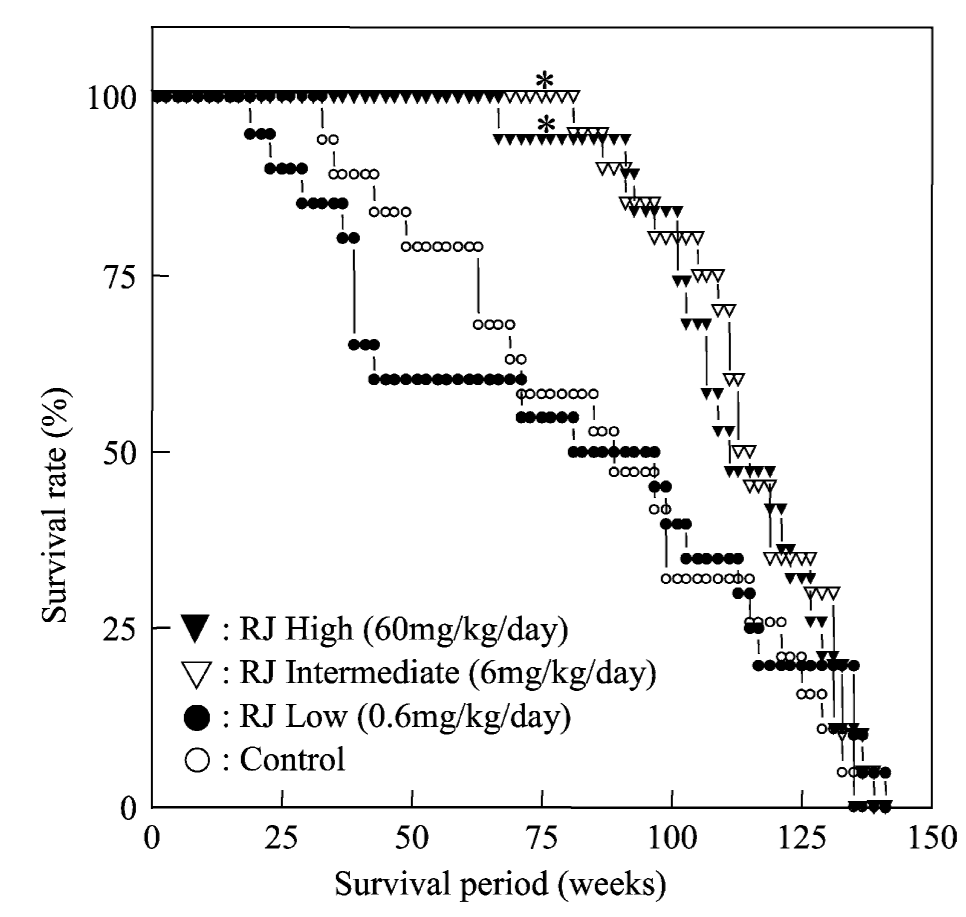
This is the mix of compounds that worker bees generate and feed to their queen. Queen bees live for up to 20 years, while workers (with the same genome) die after just a few weeks. There is one study (Inoue 2003) in the DrugAge database feeding royal jelly to mice, and yes, at higher dosages, 15 mice lived an average 25% longer. As you can see below, early mortality was greatly reduced, but maximum lifespan wasn’t affected.
RJ is a natural antibiotic, and it is possible that the suppression of early mortality derives from prevention of infection. It is also possible that RJ selectively favors good bacteria in the gut. Here is a study in which RJ increased neural health and cognitive performance in aging rats. I would think that RJ deserves more study.
SkQ
Half a century ago, the late great Vladimir Skulachev modified the CoQ10 molecule to a form that would be attracted into mitochondria, where it is most needed. Later, his and similar molecules were studied by Michael Murphy and Robin Smith in New Zealand for life extension benefits. Today, there are products from Russia and from NZ with similar forms of mitochondrial-targeted quinones. (The Russians are based on plant-derived plastiquinone, which they say is a more powerful antioxidant than CoQ10.)
I can’t find SkQ in the DrugAge database. But there are several mouse studies out of Vladimir Anisimov’s St Petersburg laboratory. In this one, SkQ increased lifespan of outbred mice (closer to wild type), but not the inbred laboratory strain. I would like to see Western labs replicateand expand on the promising Russian studies.
Epithalamin
Peptides are short proteins, in this case just 4 amino acids. Epithalamin is one of the peptides developed and tested by (again) Anisimov’s lab group. “Epithalamin” refers to the “dirty” set of peptides derived from the pineal gland, among which the 4-amino-acid peptide called epitalon is assumed to be the active ingredient. But in the DrugAge database, epithalamin is a super-star, with 15% life extension, and epitalon is a loser, with no average life extension whatever (in rodents). This is curious.
In the DrugAge database, there is one study each, both from Anisimov et al, for eiptalon and epithalamin. The negative result for epitalon is well-documented and new. The positive result for epithalamin is based on re-evaluation of poorly-documented studies from the past, 1979-92. This is disappointing.
Taurine
Taurine is an amino acid, but it is not one of the 20 amino acids that are linked together to make proteins. It is non-essential, meaning that our bodies can synthesize it even if we don’t have any in our diet. “Nevertheless, considering its broad distribution, its many cytoprotective attributes, and its functional significance in cell development, nutrition, and survival, taurine is undoubtedly one of the most essential substances in the body.” [ref] The same reference argues that taurine is broadly neuroprotective, especially in the eye. Fun fact: it can protect you from Chinese Restaurant Syndrome(msg). Taurine levels in human blood decline with age, but increase in response to exercise — generally signs that more might be helpful.
There is one study in DrugAge (Singh, 2023). “Mechanistically, taurine reduced cellular senescence, protected against telomerase deficiency, suppressed mitochondrial dysfunction, decreased DNA damage, and attenuated inflammaging.” Mouse lifespan increased about 10% (Parish says 14% — I don’t know where that comes from.)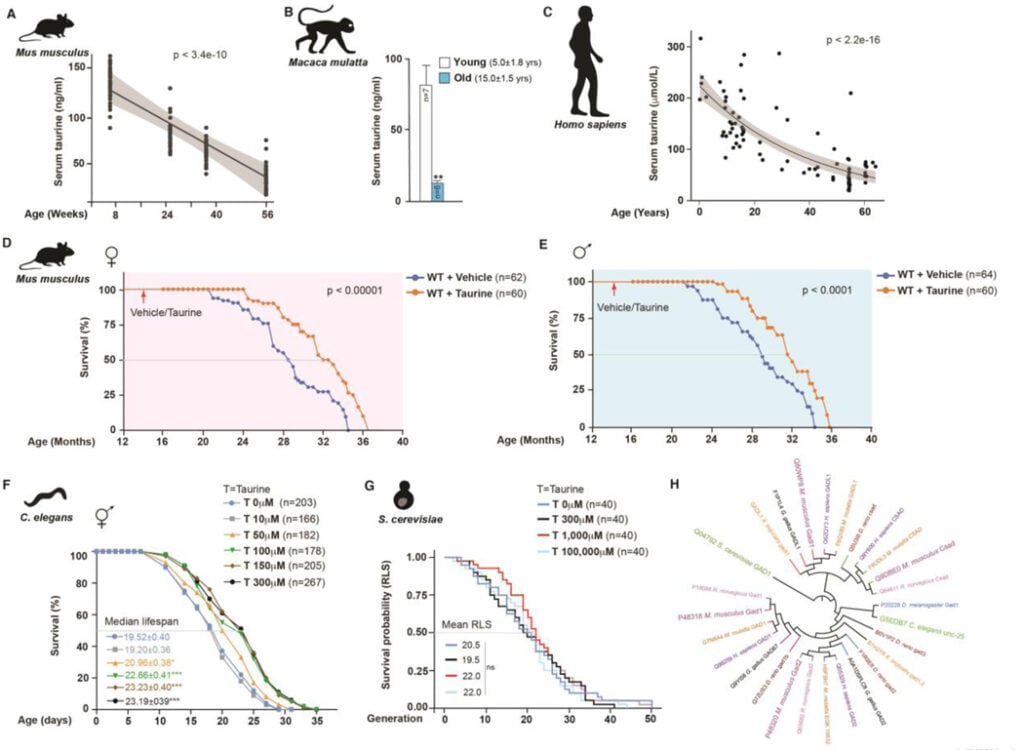
I hadn’t been aware of the promise of taurine until reading this. I’m going to add taurine to my supplement stack, and eagerly await more experimental results. Note that the dosage in the mouse experiments is quite high — 0.1% of the body weight every day, meaning about 2 ounces a day for me (70 kg). It doesn’t have much taste, so can be added to smoothies. Two ounces is too much to take in pill form.
Calcium pantothenate
Pantothenic acid is a B vitamin (B5). DrugAge has one study from 1958 that has never been repeated, because pantothenate is thought to be in good supply in the normal human diet. The 1958 study reported a 20% lifespan increase in mice, however the lifespans of control mice was suspiciously short.
Vitamin E
The DrugAge database refers to the same Sohal study referenced above. In the original paper, there is no lifespan increase for supplementation with vitamins A, C, or E. I don’t know why Parish reports a 12% increase.
N-Acetylcysteine (NAC)
This is a precursor to glutathione, and the most accessible way to boost glutathione levels. I’m prejudiced because I’ve already touted NAC as my favorite supplement, In DrugAge, I found a single study from some of my favorite people at Jackson Labs (2010). Not mentioned was a more recent study in which NAC was given in conjunction with glycine (an amino acid), and which showed a large LS benefit. 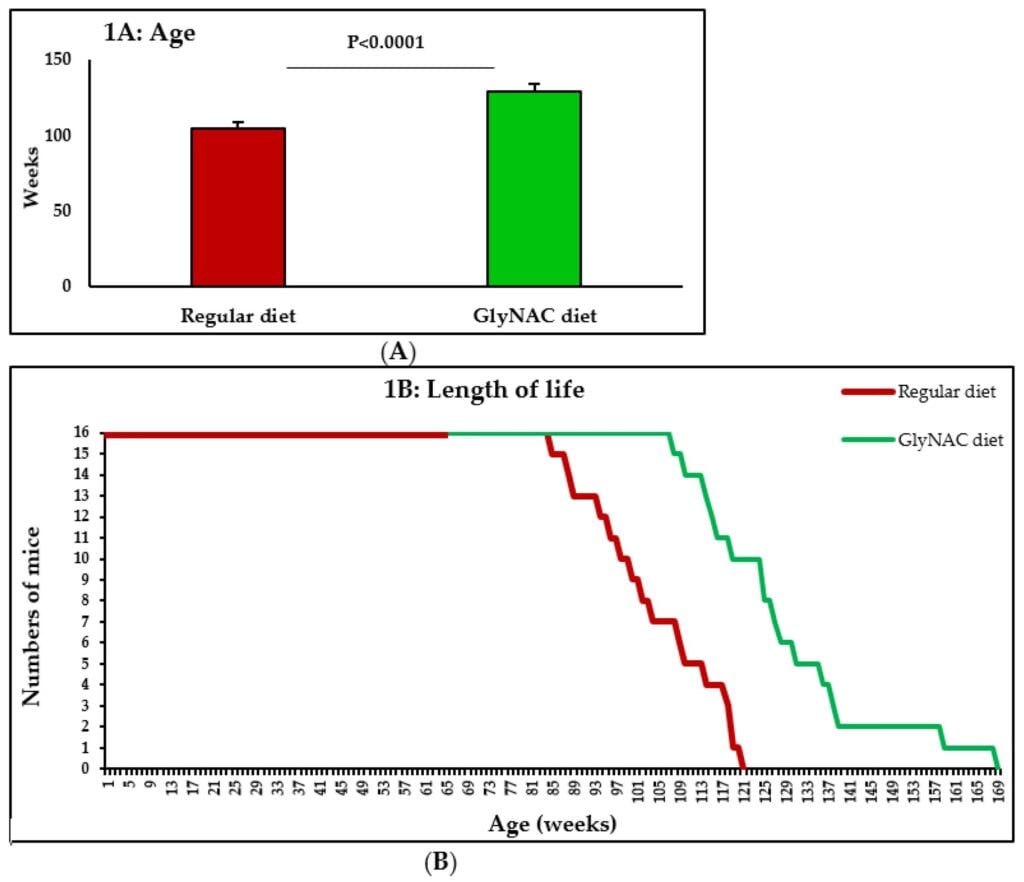
The graph below is from the Jackson Lab study. The males enjoyed a whopping 20-30% lifespan increase, depending how you measure it. The female controls were living longer, and the NAC didn’t add significantly to their LS. 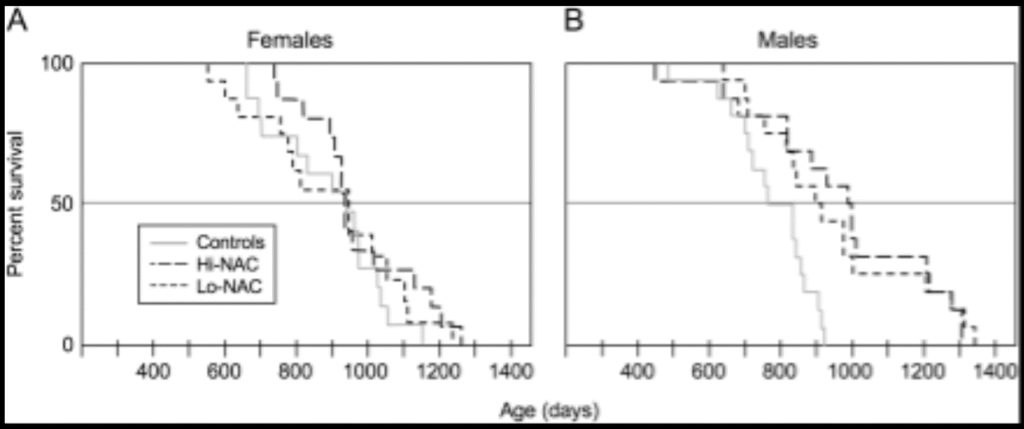
I think there is plenty of evidence now to justify life extension enthusiasts taking NAC, possibly in conjunction with glycine. But more studies would be most welcome.
Metformin / Phenformin / Berberine
Metformin is tried-and-true anti-diabetic drug which incidentally lowers risk of cancer and dementia. It has been a natural go-to for life extension enthusiasts. Phenformin is a higher powered version, but regulatory agencies have declared it too dangerous for use in humans because of risk of lactic acidosis. Berberine is a herbal supplement which offers similar benefits to metformin or phenformin, but without the side effects. Metformin has been studied a great deal more than either berberine or phenformin.
In the DrugAge database,
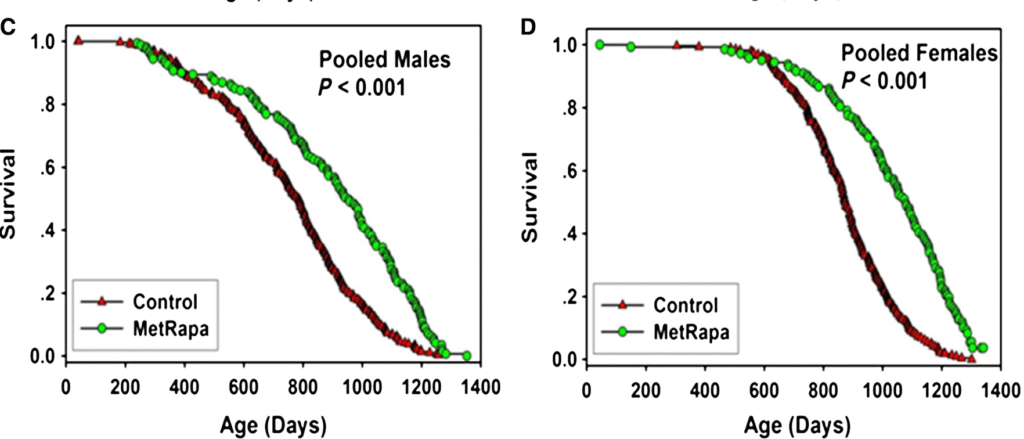
In the Strong study (2016) a combination of metformin and rapamycin achieved the best results. You can see that median lifespan increased about 20%, mean LS somewhat less, and max LS not at all. The modest improvement in LS from this combination is sobering, since
- Metformin and rapamycin are arguably the two compounds for which there is the most robust evidence for life extension in rodents, and
- There are theoretical and experimental reasons to believe that the combination synergizes to offer better results than either compound separately.
I have written in the past that combinations of treatments are a vast, unexplored territory from which new results should be sought. In practice, people seeking life extension almost always take a combination of supplements, interactions among which are completely unknown.
17α-Hydroxyestrone
This is a steroid hormone akin to estrogen. There are 4 studies in the DrugAge database feeding 16α-Hydroxyestrone to mice. 12-19% LS increases for male LS are reported, but for females the results or null or, sometimes, negative. The results come from authors I trust at Jackson Labs.
Epicatechin in the form Epigallocatechin gallate
Epicatechin is a flavinoid derived from chocolate. One of the happiest results in epidemiology is that people who eat chocolate live longer. In a single Chinese study of EGCG, lifespan of rats increased 14%. (The table in Parish says 11%.)
Melatonin
Dr Walter Pierpaoli has been a lifelong advocate for melatonin, including popular books and lab research. Melatonin is popularly known as the pineal hormone that regulates sleep/wake cycles; but melatonin is also essential to mitochondrial function, and there is far more melatonin in our mitochondria than in our bloodstreams. The DrugAge database lists just two studies, Pierpaoli (1994) found a 17% increase in mouse LS and Anisimov (2001) found a 7% increase and warned of an increase in tumor frequency.
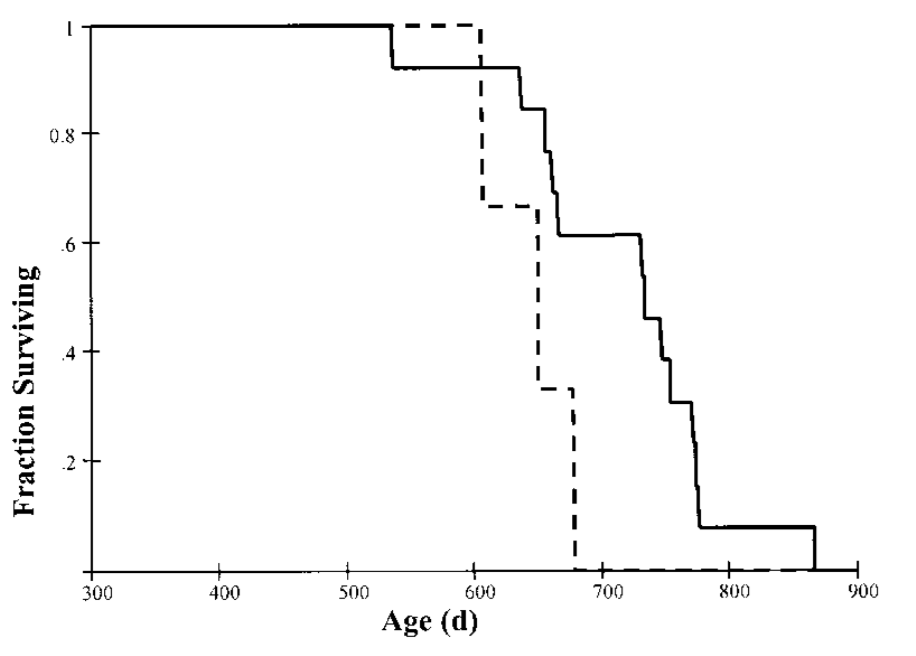
The Pierpaoli experiment timed the melatonin to circadian rhythms, and Anisimov did not.
Magnesium
Magnesium is listed in the Parish table with a 9% LS benefit in mammals, but I was unable to find rodent studies in DrugAge involving magnesium. Searches in PubMed and Google Scholar also turned up no mouse LS studies of magnesium. (I take magnesium supplements myself for control of blood sugar and prevention of muscle cramps.)
Spermidine
Spermidine is a simple molecule with benefits as anti-inflammatory and pro-autophagy. I wrote about spermidine last year. There are two spermidine mouse studies in the DrugAge database, Yue (2017) and Eisenberg (2016)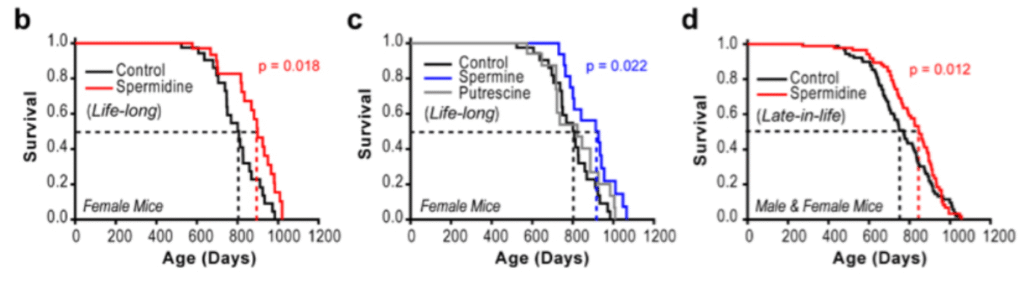
Spermidine supplementation provided modest life extension benefits even when started late in life, but dosage was large compared to supplement pills that are commonly available.
Rapamycin
After a Jackson Lab study found impressive LS improvement for rapa fed to mice late in life, (Harrison, 2009), there was a great deal of enthusiasm for a new longevity pathway. Sixteen years later, there are 12 rodent studies in DrugAge — more than any other substance — but results are less spectacular. Parish computes an average of 8% lifespan increase, which puts rapa far down his sorted list. This is an artifact of averaging high and low dosages, pulsed and steady, late and early administration. I personally believe rapa is more promising than the 8% would indicate.
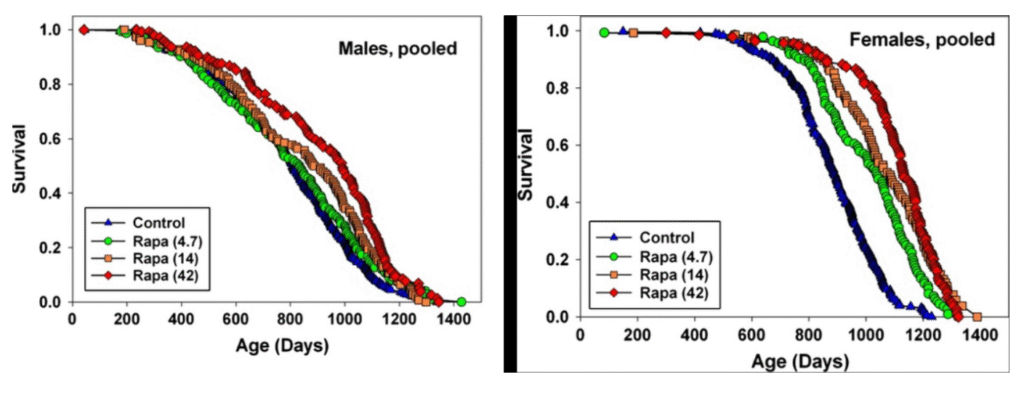
The highest dosage corresponded to 26% LS increase in the most optimistic study, also out of Jackson Labs. People who look at the detailed biochemistry distinguish between Rapa-1 and Rapa-2, and suggest pulsing the dosage in humans. Personally, I take large doses of rapamycin 2 days a week, 8 weeks per year. For personalized recommendations, you can consult your favorite life extension doc.
Curcumin, fish oil, Boswellia and aspirin
I group these together because they are all anti-inflammatory agents. I believe that countering chronic inflammation is the most robust way to extend human lifespan.
There were two rodent studies in Drugage which are listed under “curcumin”. Katani (2007) found 10% LS increase in mice. The other was Knoll (2016), and in fact it is about deprenyl and BPAP, not related to curcumin.
Miller (2019) found no benefit from aspirin. Strong (2008) found a small benefit for male mice. 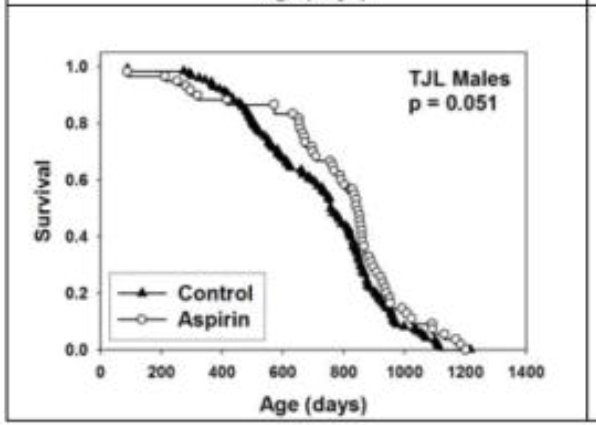
Fish oil is not in the Parish chart, but is in two DrugAge studies. Spindler (2014) found that fish oil and krill oil shortened mouse LS. Strong (2016) reported no benefit. I would qualify these results by noting that mouse lipid metabolism may be different from that of humans in significant ways. Boswellia is neither in Parish nor in DrugAge, but it is a safe and ancient anti-inflammatory herb.
Alpha Ketoglutarate (AKG)
In the Parish chart, AKG is associated with a 7% longevity benefit. There are two studies in DrugAge. Shahmirzadi (2020) reported a modest benefit in females more than males.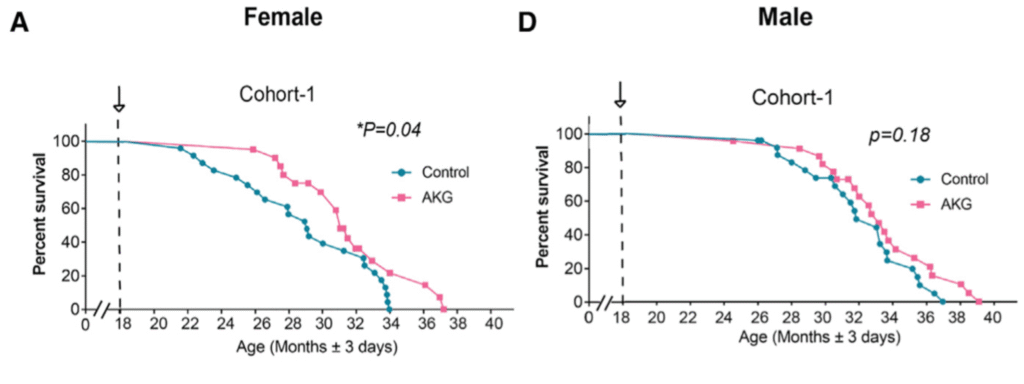
Miller (2024) report no benefit for AKG.
Creatine
Creatine is popular among body-builders, and Rhonda Patrick has been enthusiastic about benefits lately. It is left out of the Parish database, but it is in DrugAge, and Bender (2007) reports an 8% LS benefit in mice.
Glucosamine
Glucosamine is also omitted in Parish, but there are entries in DrugAge that show some promise. Weimer (2014) reports modest LS benefit for glucosamine administered late in the mouse lifetime.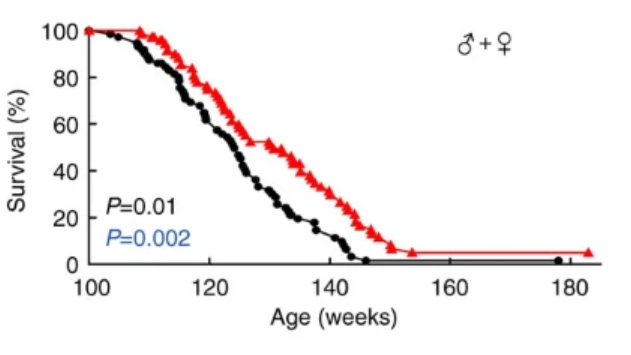
Deprenyl (Selegiline)
Deprenyl is one of the oldest life extension interventions (Knoll, 1968), but it is not in the Parish list. It is sold as a psychiatric drug under the names selegiline, eldepryl, emsam, and zelepar. In DrugAge, there are four rat studies and one mouse study, also one dog study.
The dog study found a survival benefit for dogs started on deprenyl late in life. Archer (1997) reported 6 to 9% increase in LS for mice when started late in life. Kitani (2005) reported 8% increase in rats, also begun late in life. Milgram (1990) reported a 17% LS benefit in rats. I don’t understand why deprenyl was excluded from the Parish study.
Losers
Every other popular supplement, including CoQ10, Alpha Lipoic Acid (ALA), NMN, NR, DHEA and Quercetin, had no effect on lifespan, or worse.
Summary
My favorites from this list are Melatonin, Berberine, NAC, Rapamycin, and Selegiline. I can recommend the first three unequivocally. Rapamycin has down sides that you should consider, and Selegiline has effects on mood and energy that you may like or dislike. Personally, I take a variety of anti-inflammatory supplements, and I’m glad to have an excuse to eat dark chocolate. I don’t know why there have been no mouse studies of vitamin D. There are broad benefits from vitamin D, and I would be surprised if they did not include life extension.
All these drugs and supplements act within the built-in plasticity of the aging program, which is about 20% in rodents, but only 5 – 10% in humans. It is unlikely that we can stack the supplements and expect more than a few extra years of lifespan for our effort. The best reason to take multiple life extension supplements is to hedge our bets, because we really don’t know which of them are effective in humans.
Your primary life extension program is diet and exercise. Choose a diet that works for you. Stay slim. Fast for short intervals regularly, and longer fasts as they feel good to you. Choose a variety of physical activities that are self-motivating and include interval training, strength training, flexibility, balance, and endurance. Supplements and drugs are secondary.
Discover more from Josh Mitteldorf
Subscribe to get the latest posts sent to your email.




.jpg "The Surprising Things That Helped Make 2023 the Hottest Year Ever")