
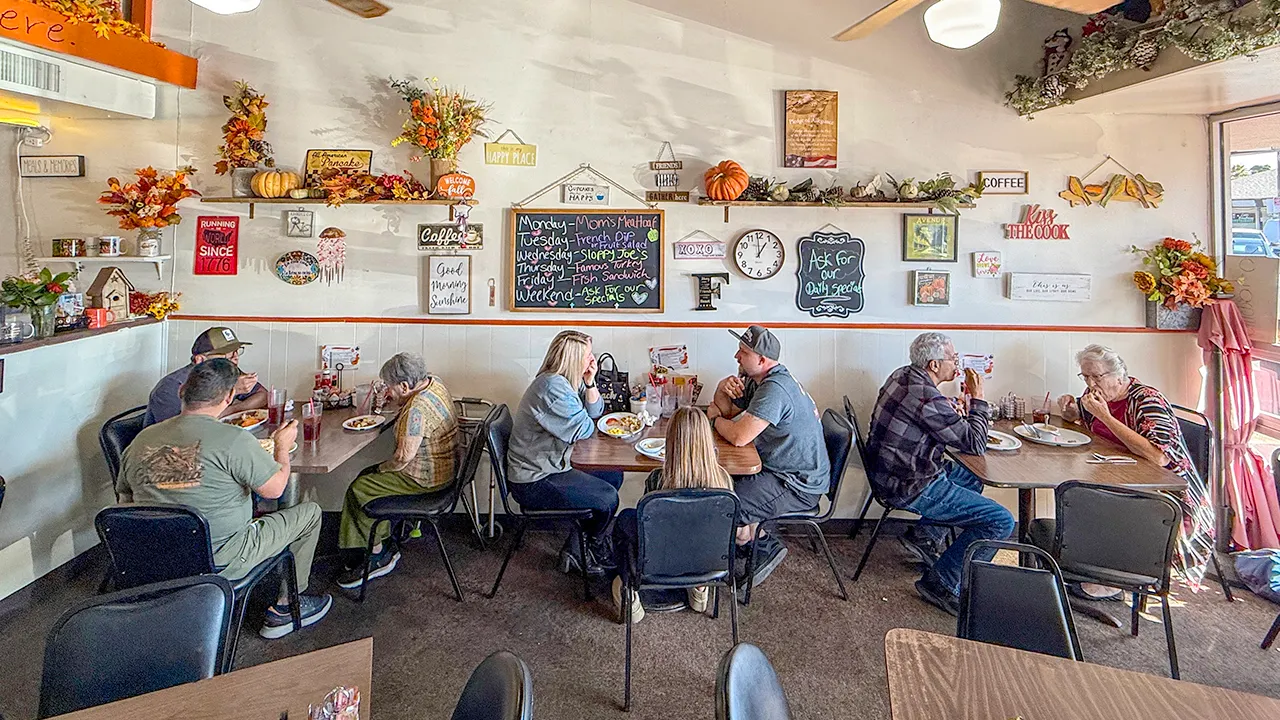


































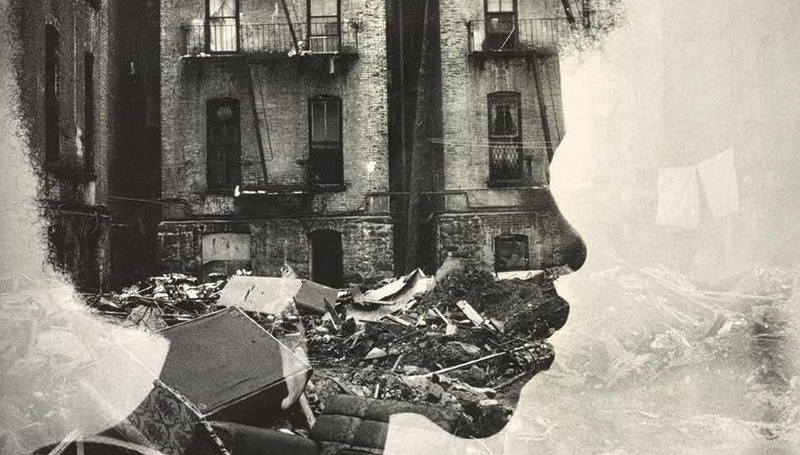





Three years into Russia’s full-scale invasion, something unexpected is happening in Ukraine’s cities. While bombs fall and air raid sirens wail, people still grab coffee in Kyiv, attend concerts in Lviv, and watch movies in Dnipro. This isn’t just resilience, it’s a master class in how democracy can survive when everything else is falling apart.
When Russia launched its invasion in February 2022, military analysts predicted Kyiv would fall within days. The capital, home to nearly 3 million people, would crumble under the assault. Instead, something remarkable happened: Ukraine didn’t just survive, it adapted. The secret wasn’t in its military alone, but in something far more mundane – how power had been quietly redistributed to local communities years before the first tank crossed the border.
A new study published in Post-Soviet Affairs reveals how Ukraine’s democratic experiment, launched after 2014’s Revolution of Dignity, became the foundation for wartime survival. Researchers from the University of Colorado Boulder, Central European University, and institutions across Europe examined five case studies of local governance during the war, uncovering a network of mayors, parent groups, and volunteer organizations that kept society functioning when the state couldn’t.
The Doctor Who Leads a Double Life
Sarah Wilson Sokhey, a political scientist at CU Boulder who co-edited the study, tells the story of a doctor she met in Lviv this year. By day, the woman practices medicine and teaches at the local university. In her spare time, she runs a volunteer network that collects medical supplies and sends them to front-line soldiers. For three years, she’s juggled both roles without missing a beat.
“There’s a real fatigue that comes with having to do this all the time, but even with that, when they get requests in and need more people, they go to their families and their friends, and they can still get a bunch of volunteers.”
This dual existence – professional by day, volunteer by night – has become Ukraine’s new normal. But these stories didn’t begin with the war. They trace back to 2014, when Ukraine embarked on an ambitious decentralization program that would prove prophetic. The country divided itself into 1,469 municipalities called “hromadas,” each with broad powers to set budgets and spending priorities. Some communities even vote directly on how their money gets spent – a practice known as participatory budgeting.
The timing was no coincidence. As Russia illegally annexed Crimea and fomented unrest in eastern Ukraine, the government in Kyiv was busy doing something counterintuitive: giving away power. Instead of centralizing control during a crisis, Ukraine spread authority across thousands of local communities. The gamble paid off in ways no one could have predicted.
When full-scale war erupted eight years later, these local networks kicked into overdrive. In Dnipro, a parent group that originally formed to improve schools started making candles for soldiers. In Kyiv, young activists who had cut their teeth on participatory budgeting built warming centers when Russian strikes knocked out the power grid. These weren’t government programs – they were citizens taking initiative because they felt ownership over their communities.
Democracy Under Fire
Inna Melnykovska, who co-authored the study and grew up in western Ukraine, argues that decentralization gave ordinary Ukrainians something worth fighting for. The reforms didn’t just redistribute power – they created emotional investment in the country’s survival.
“These decentralization reforms gave everyone a greater connection to the state. Every participant in society had a greater stake in Ukrainian sovereignty, in ensuring that Ukraine would continue to be there.”
The researchers found evidence that this civic engagement translates into real policy outcomes. Communities with higher voter turnout in local elections also spend more money on social services, housing for displaced people, and support for vulnerable groups. Even under martial law, local officials remain responsive to their constituents’ demands – a sign that democracy is functioning despite the chaos.
This bottom-up resilience has surprised international observers who expected Ukraine’s government to either collapse or become highly centralized during wartime. Instead, the country has maintained a delicate balance between national coordination and local autonomy. Mayors retain significant power over budgets and services, while civil society groups continue operating with remarkable independence.
The research reveals both strengths and vulnerabilities in this system. Some municipalities have established martial law systems that risk undermining local governance, while others struggle with information sharing and unclear roles between different government levels. The variation suggests that resilience isn’t uniform across Ukraine – some communities are thriving while others barely survive.
International implications extend far beyond Ukraine’s borders. The study’s authors argue that countries worldwide, including the United States, could learn from Ukraine’s experience. Strong societies where individuals feel empowered to solve problems locally may be better equipped to handle various crises, from natural disasters to political upheaval.
Melnykovska follows her hometown’s Facebook page, watching as the mayor of her 30,000-person community uses international attention from the war to fund infrastructure projects. The city has modernized its energy system and upgraded Soviet-era water pipes – investments that will matter when Ukrainian refugees eventually return home.
But she offers a sobering warning about the limits of resilience. Ukrainians have been remarkably adaptive, but endurance has its bounds. Society can grow tired, resources can run out, and volunteer networks can burn out from years of crisis response. The lesson isn’t that communities can handle everything alone – it’s that they need support to maintain their strength.
As the war drags into its fourth year, Ukraine’s experiment in distributed democracy faces its ultimate test. The country that surprised the world by surviving may now show whether democracy itself can evolve under extreme pressure. The answer may determine not just Ukraine’s future, but how societies worldwide prepare for an uncertain age.
Post-Soviet Affairs: 10.1080/1060586X.2025.2545626
If our reporting has informed or inspired you, please consider making a donation. Every contribution, no matter the size, empowers us to continue delivering accurate, engaging, and trustworthy science and medical news. Independent journalism requires time, effort, and resources—your support ensures we can keep uncovering the stories that matter most to you.
Join us in making knowledge accessible and impactful. Thank you for standing with us!